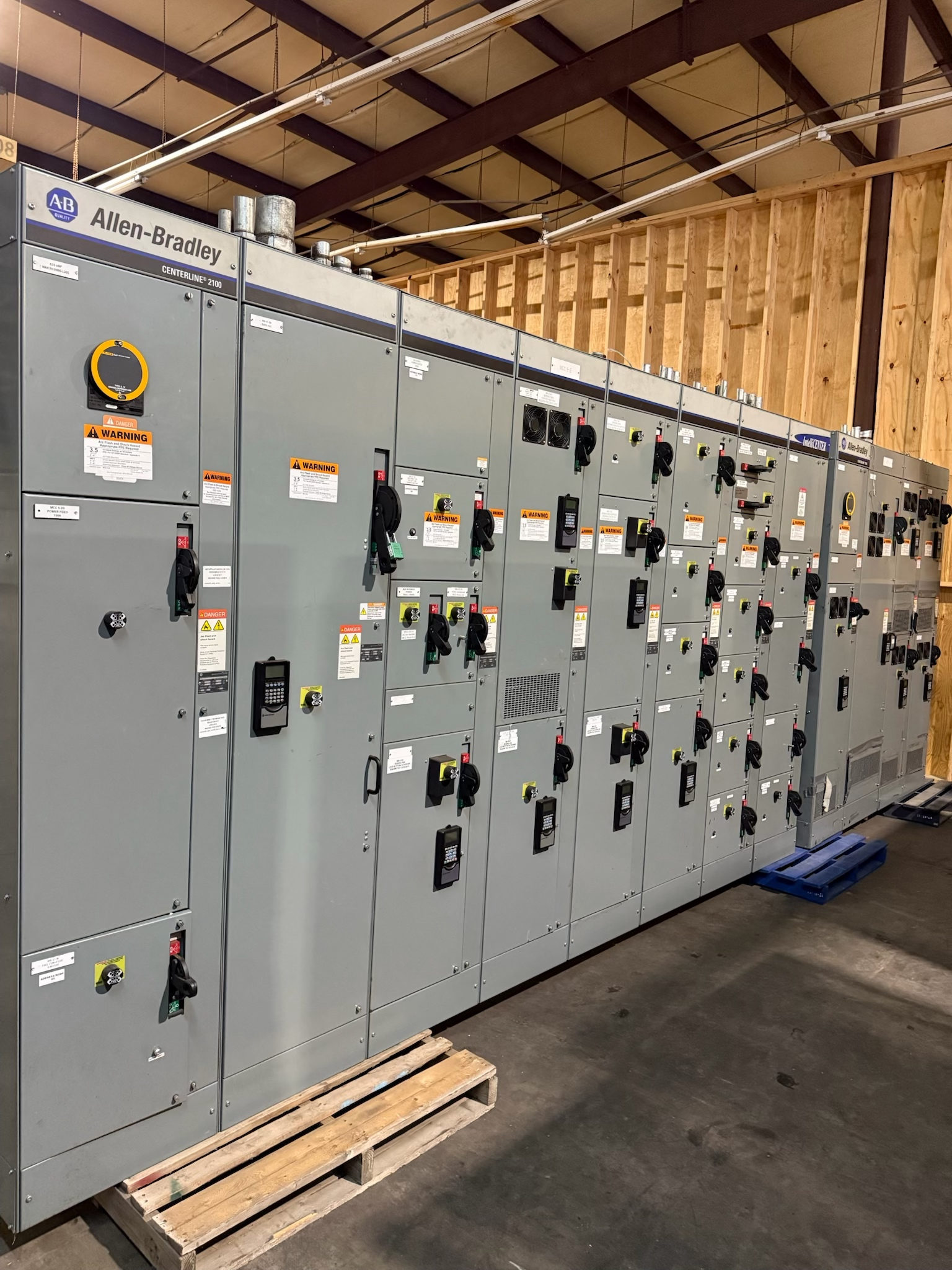
Why enclosure cooling belongs in early design
Choosing between ventilated and sealed enclosures affects more than temperature: it influences protection from dust, moisture, corrosive agents, and other site conditions. For new switchgear, enclosure cooling should be considered alongside load design, equipment arrangement, and the electrical specification—not treated as a finish selected after the ratings are set. Ventilation can help release internally generated heat, while a sealed design limits direct exchange with ambient air. Neither approach is inherently right for every installation. The appropriate choice depends on the equipment, operating conditions, and environmental exposure, all verified for the specific project.
Start by defining what the enclosure must protect and what heat it must manage. A room-conditioned indoor electrical space presents different constraints from an outdoor or industrial location exposed to changing temperatures or airborne contaminants. The project team should identify operating loads, expected loading patterns, ambient conditions, maintenance access, and any required enclosure classification or applicable standard. Qualified electrical professionals should review the complete design and confirm applicable requirements with relevant authorities. This early review helps avoid selecting a cooling approach that meets a thermal goal but conflicts with environmental protection or other project requirements.
How ventilated and sealed approaches differ
A ventilated enclosure allows air exchange through designed openings or ventilation components. Depending on the assembly and its configuration, this can help carry heat away from internal components. The same openings, however, create pathways that may admit dust, moisture, or other contaminants. Their acceptability depends on the actual site environment and the enclosure’s verified design, not on the label “ventilated” alone. Airflow may also be affected by installation clearances, nearby equipment, room conditions, and the arrangement of heat-producing components.
A sealed enclosure restricts direct ambient-air exchange, which can help limit exposure to external contaminants when its construction is suitable for the application. It does not make internally generated heat disappear: thermal energy still needs a path to the surrounding environment or another designed cooling method. Sealing can therefore raise temperature concerns if loads, losses, ambient conditions, or heat transfer have not been properly evaluated. The distinction is not simply “clean versus hot.” Each approach involves a balance among thermal performance, environmental protection, equipment configuration, and maintenance needs.
Inputs that shape thermal and load design
Useful design inputs include the equipment lineup, expected and future loads, component losses where available, operating duty, and the maximum ambient conditions anticipated at the installation location. The specification should also address whether the lineup may be expanded, how loads are distributed, and whether unusual operating scenarios affect heat generation. These details help the design team assess temperature rise and determine whether passive ventilation, a sealed configuration, or another engineered method merits consideration. Do not infer an acceptable load from enclosure style alone; equipment ratings and thermal suitability require project-specific verification.
Environmental inputs matter just as much: indoor or outdoor placement, exposure to rain or washdown, dust, fibers, corrosive substances, altitude where relevant, and the surrounding room’s airflow or conditioning. Confirm required enclosure protection and any applicable standards for the particular equipment and installation. A desired environmental classification can constrain available cooling arrangements, so it should be resolved with the manufacturer and the project’s qualified electrical professionals early. No single enclosure type, voltage, current capacity, or short-circuit rating should be assumed suitable without reviewing the actual design and site conditions.
Coordinate interfaces before assembly is finalized
Thermal choices affect physical layout and interfaces. Confirm required working and service clearances, cable entry locations, bus and compartment arrangement, ventilation-opening placement, and access for inspection or cleaning. Consider nearby heat sources, walls, filters, ducts, and obstructions that could impede intended airflow or heat transfer. If the project requires accessory cooling or monitoring, define the interface, power source, control expectations, and alarm or communication needs in the specification. These decisions may affect enclosure dimensions and adjacent equipment, so they should be coordinated rather than left to field interpretation.
The electrical and mechanical design teams should align on the site’s environmental assumptions, installation orientation, and any restrictions on openings or penetrations. Document who supplies connected ductwork or other external interfaces, where applicable, and how the assembly will be installed without compromising its intended protection. For custom assemblies, provide drawings, load assumptions, site data, and applicable requirements for review before design release. UL 891 may apply to suitable switchboard assemblies, but it is not a universal designation for all switchgear or cooling configurations; standards and listing applicability must be confirmed for the specific design.
Verify the design and test plan
Before procurement is complete, review the proposed enclosure and cooling method against the approved electrical and environmental requirements. Resolve discrepancies among the one-line diagram, equipment schedule, specifications, drawings, and site conditions. Confirm that stated ratings and protective features apply to the complete assembly as configured, including any openings, accessories, or modifications. Where thermal analysis or supporting design evidence is needed, establish its scope and required assumptions with the responsible professionals. Do not substitute a generic enclosure description for verification of the actual assembly.
Testing and inspection requirements should be defined by the project specification, applicable standards, and equipment design. Confirm which checks apply to the new assembly and what documentation is expected, without assuming a test, certification, or listing that has not been verified. Site acceptance planning should account for installation clearances, cable connections, ventilation paths, and environmental conditions that could differ from design assumptions. Any installation, inspection, or energized-work decisions belong to qualified personnel following applicable procedures and authority requirements; this page is not a substitute for project-specific engineering review.
Prepare a practical procurement package
To request a useful proposal for new switchgear, provide the electrical specification and drawings together with load assumptions, ambient conditions, location environment, preferred enclosure approach if established, and required standards or classifications. Identify expected future expansion, space constraints, cable-entry preferences, and any cooling or monitoring interfaces. If you are uncertain whether ventilation is acceptable, describe the contaminants and exposure rather than selecting an enclosure by name alone. The design team can then review thermal and environmental tradeoffs against the project requirements and identify decisions that need clarification before fabrication.
For a Central Texas project, include the delivery destination, receiving constraints, access limitations, and requested coordination milestones so shipment planning can be addressed without assuming a local facility or site service. Lead time depends on project scope and specification review. The manufacturer builds in the USA, uses all-American components, offers custom assemblies to specification, and can ship nationwide; UL 891 assemblies are offered where applicable. Before release, ask for confirmation of the proposed configuration, applicable ratings, standards, cooling assumptions, interfaces, and required submittals. Close open items with the project’s qualified electrical professionals and relevant authorities.
Project specification checklist
Use this checklist to organize the details for a project-specific review. Final ratings, applicable standards and equipment selections depend on the approved design.
| Item | What to confirm |
|---|---|
| Heat and loading inputs | Confirm expected and future loads, operating duty, component losses if available, and relevant ambient conditions. |
| Site exposure | Document indoor or outdoor placement and exposure to moisture, dust, corrosive agents, or other contaminants. |
| Cooling approach | Review ventilation, sealing, and any other proposed thermal method against both heat removal and environmental protection needs. |
| Physical interfaces | Confirm clearances, airflow paths, cable entries, access, orientation, and any external cooling or monitoring interfaces. |
| Applicable requirements | Verify project-specific equipment ratings, enclosure protection, standards, testing, and any listing applicability; do not assume these from enclosure style. |