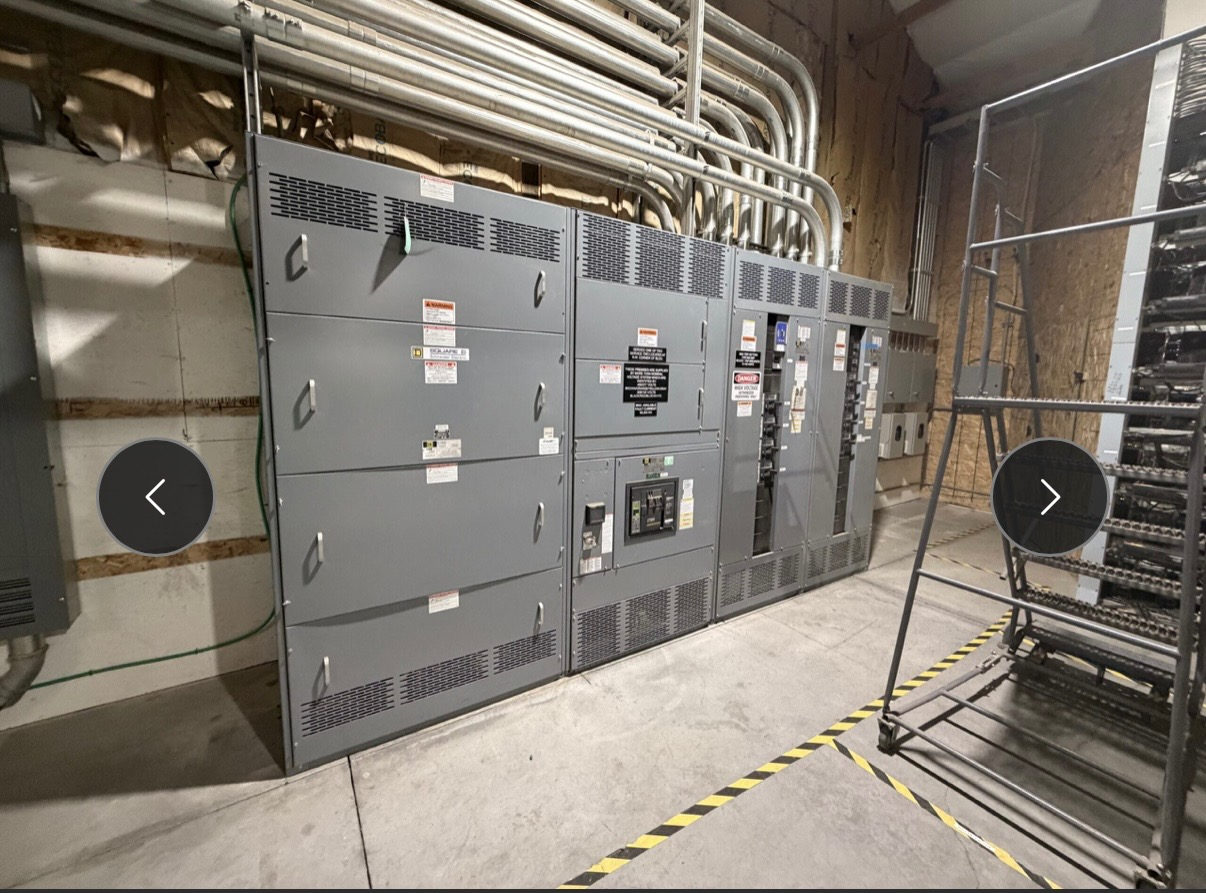
Begin With the Owner’s Operating Priorities
Working with owners starts by understanding what the electrical system must support, how the facility is used, and which interruptions would have the greatest consequences. A production line, occupied building, campus, and critical process may each define reliability differently. Capture the owner’s priorities in operational terms before translating them into a new switchgear design or procurement specification.
Ask which loads must remain available, what level of interruption is tolerable during planned work, and how the facility responds to an outage. Record assumptions and unresolved questions rather than treating a general request for “high reliability” as a complete requirement. This shared baseline helps the owner, design team, and equipment supplier compare options against the same objectives.
Document Reliability Goals as Requirements
Reliability goals become useful when they are specific enough to guide design review. Identify essential loads, acceptable outage windows, maintenance expectations, and any required separation or redundancy concepts. These are planning inputs, not automatic equipment features: qualified electrical professionals must evaluate the system architecture, protection, and applicable requirements for the project.
Also document how the owner expects the system to behave during normal operation, a fault, maintenance, and restoration. Clarify which operating states matter and who is authorized to make switching decisions. A written operating narrative can expose conflicts early—for example, a desired maintenance approach that is inconsistent with the proposed arrangement or facility procedures.
Capture Site and Operating Constraints
A practical equipment specification reflects the conditions where the assembly will be installed. Confirm the intended location, available space, access path, working clearances, environmental conditions, cable entry direction, and interfaces with existing equipment. Verify these details against current drawings and field information; assumptions about dimensions, enclosure suitability, or connection points can create redesign or installation coordination problems.
Operating constraints deserve the same attention. Record limits on shutdowns, access during occupied hours, planned expansion, temporary operating arrangements, and coordination with other construction activities. For a Central Texas project, schedule and shipment coordination should be discussed with the project team in light of the site’s actual receiving, storage, and installation sequence, not inferred from location alone.
Translate Goals Into Equipment Criteria
Selection criteria should identify the system characteristics the design team must verify, including voltage, continuous current, fault-duty requirements, protective-device coordination, metering, control interfaces, and the intended equipment configuration. None should be selected by assumption. Qualified electrical professionals must confirm ratings and suitability from the system study, drawings, governing requirements, and project conditions.
The equipment category and applicable standards also need to be explicit. Switchboards, low-voltage switchgear, and medium-voltage equipment are not interchangeable terms, and standards depend on the design and application. UL 891 applies to suitable switchboard assemblies; it should not be presumed for every switchgear product. State required compliance or listing expectations clearly, then confirm they fit the specified assembly.
Make Project-Specific Design Choices Visible
Owners should identify which choices are mandatory and which may be evaluated as alternatives. Depending on the application, discussion may cover feeder arrangement, bus configuration, metering needs, control functions, spare provisions, and future expansion. Each choice can affect footprint, interfaces, operating procedures, and procurement scope, so the specification should explain the reason behind important requirements rather than simply naming a preferred feature.
Custom assemblies can be developed to a project specification, but customization needs a controlled basis. Provide current one-lines, equipment schedules, interface information, and applicable design criteria, and identify who can approve deviations. A documented assumptions-and-exceptions process makes it easier to assess whether a proposed design meets the owner’s priorities without silently changing the intended system or operating method.
Coordinate Design Review, Testing, and Interfaces
Before release, coordinate the equipment design with the electrical engineer, contractor, controls team, and other parties responsible for connected systems. Review connection points, protective-device information, control and communications requirements, physical interfaces, and any owner-furnished components. Assign responsibility for each interface so that gaps between equipment scope and the broader installation are visible while revisions are still manageable.
Define what documentation and testing are required for the particular assembly and project. Review drawings, submittals, inspection expectations, and any factory or field verification requirements with the responsible professionals. Test scope and acceptance criteria should be established in project documents; they should not be assumed from a product category or a general reliability objective. Work on electrical systems must follow qualified personnel’s procedures and applicable safety requirements.
Set Procurement Priorities and Schedule Inputs
Procurement priorities often include technical fit, compliance documentation, design flexibility, cost evaluation, and timing. Rank these factors and identify which are firm requirements, which may be traded off, and who has approval authority. For new switchgear, a clear, coordinated specification gives manufacturers a sound basis to identify questions, develop a proposal, and communicate the effect of design decisions on scope and schedule.
Lead times are project-dependent, so establish the required dates and the milestones that drive them: specification completion, drawing review, approval, release, shipment, and site readiness. Confirm what information is needed at each stage and how revisions affect the schedule. US-built equipment using all-American components and nationwide shipment may be relevant procurement considerations, but neither replaces project-specific schedule and logistics confirmation.
Prepare a Useful Owner Decision Record
A concise decision record can keep the project moving. Include the owner’s reliability objectives, operating narrative, verified site constraints, required equipment criteria, preferred alternatives, open questions, and named reviewers or approval roles. Attach the current one-line and related schedules, identify document revisions, and distinguish confirmed facts from items awaiting engineering review. This gives every participant a traceable reference for design development and procurement.
Before requesting final pricing or authorizing release, ask the project team to resolve rating and standards questions, confirm interfaces and physical access, define submittal and test expectations, and agree on schedule assumptions. Keep a dated list of decisions and changes, including their operational and procurement effects. This practical record helps owners compare proposals on an aligned scope and reduces avoidable clarification during equipment design and delivery coordination.
Project specification checklist
Use this checklist to organize the details for a project-specific review. Final ratings, applicable standards and equipment selections depend on the approved design.
| Item | What to confirm |
|---|---|
| Reliability objectives | Identify essential loads, acceptable interruption conditions, maintenance expectations, and required operating states for professional evaluation. |
| System and ratings basis | Confirm voltage, current, fault duty, protection, and equipment category from project studies and qualified design review. |
| Site and interfaces | Verify location, access, clearances, cable entry, environmental conditions, existing connections, and installation constraints. |
| Standards and documentation | State applicable compliance, listing, drawing, submittal, inspection, and testing requirements for the specific assembly. |
| Procurement and schedule | Set priorities, decision authority, required milestones, shipment coordination, and assumptions affecting project-specific lead time. |