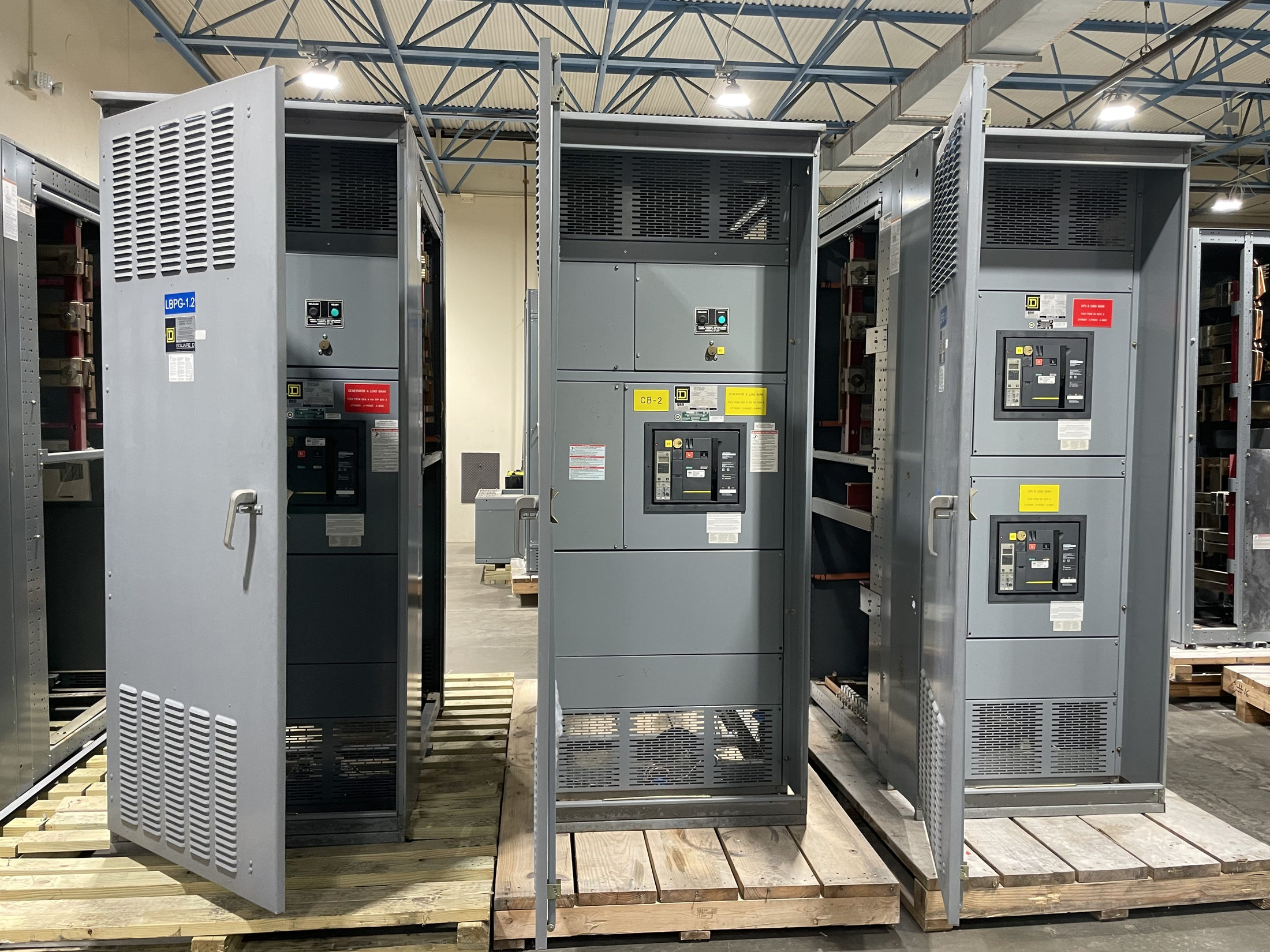
Start With the Design Basis
Working with engineers on new switchgear begins with a clear design basis, not an equipment guess. For a Central Texas project, share the intended application, the system configuration, the equipment’s role, and the project stage. Identify whether the scope concerns a switchboard, low-voltage switchgear, or another equipment class; the terminology can cover products with different functions and standards. Provide available one-line diagrams, load information, fault-current study assumptions, and the governing project specifications. If some inputs are preliminary, label them as such so reviewers can distinguish confirmed requirements from assumptions that may change.
Translate System Needs Into Selection Criteria
Engineers and equipment suppliers need enough system context to evaluate the right configuration. Confirm nominal system voltage, phase and wire arrangement, frequency, bus requirements, feeder quantities, protective-device functions, and metering or control needs. These details should be established for the specific project rather than inferred from a typical installation. Available fault-current information and required short-circuit ratings must be reconciled with the electrical study and applicable design criteria. Likewise, current ratings and temperature or environmental conditions require project review. The appropriate standards and any listing requirements depend on equipment type and design; UL 891 applies to suitable switchboard assemblies, not automatically to every switchgear product.
Resolve Layout and Interface Decisions Early
The drawings should show how the assembly fits into the electrical room and connects to the rest of the system. Share room dimensions, access and working-space constraints, cable entry direction, conduit or bus connections, and the location of upstream and downstream equipment. Confirm who is responsible for defining the interface and resolving conflicts with architectural, structural, and electrical plans. Door swing, service access, lifting or handling constraints, and equipment arrangement can affect a custom assembly. These are coordination questions, not assumptions about a standard enclosure or layout. The project team should verify applicable installation requirements with qualified electrical professionals and relevant authorities.
Review Drawings With Decisions in Mind
A useful drawing review checks both electrical intent and physical arrangement. Compare the proposed one-line diagram with the project one-line, then check feeder names, device functions, metering points, control interfaces, and any specified accessories. Review elevations and plans for section arrangement, connection points, dimensions, and access. Mark discrepancies clearly and identify whether each comment is a required correction, a clarification, or a preference. This helps prevent a drawing cycle from becoming a list of unprioritized edits. Confirm revision dates and document status, and make sure every reviewer is working from the same current set before returning comments.
Make Submittal Review Traceable
Submittals are most useful when they answer the specification rather than simply present product information. Review each requirement against the submitted drawings and schedules, including ratings, protective-device details, construction choices, and required documentation. Record exceptions explicitly; silence should not be treated as approval of a deviation. When a requirement is unresolved, ask a focused question and name the drawing or specification reference. Keep a log of comments, responses, revisions, and approval status so procurement and fabrication decisions rely on an agreed document set. Engineering review supports coordination, but it does not replace the engineer of record’s responsibilities or project approval process.
Coordinate Testing and Project Interfaces
Before release, agree on which inspections, tests, and records are required for the equipment and project. The applicable scope depends on the design, specifications, and governing standards; do not assume a particular test or certification applies to every assembly. Clarify any requested factory test procedures, witness expectations, documentation, and how test results will be reviewed. Coordinate protection and control interfaces with the responsible design team, including any information needed by adjacent equipment or site systems. Field installation and energization planning belong with qualified personnel under project procedures. Early agreement on responsibilities helps avoid late changes to drawings, procurement documents, and acceptance criteria.
Prepare a Complete Request for Review
To begin a productive review, assemble the current specifications, one-line diagram, relevant studies, load and feeder schedules, room or equipment layout, and known interface requirements. Identify the decision-makers, submittal milestones, required document format, and any open design questions. Separate mandatory criteria from preferences, and flag information that is pending confirmation. For a Central Texas project, discuss shipping destination, site access, receiving constraints, and the schedule assumptions that affect coordination; lead times depend on the project and confirmed design. A concise, complete package gives the manufacturer a basis to develop a new custom assembly to specification and helps the engineering team focus review on consequential decisions.
Project specification checklist
Use this checklist to organize the details for a project-specific review. Final ratings, applicable standards and equipment selections depend on the approved design.
| Item | What to confirm |
|---|---|
| System basis | Confirm voltage, phase and wire arrangement, frequency, and the equipment’s place in the one-line diagram. |
| Ratings and protection | Reconcile current and short-circuit requirements with the project study, specifications, and qualified engineering review. |
| Physical interfaces | Verify room dimensions, access, cable or bus connections, entry direction, and coordination with adjacent systems. |
| Submittal control | Track drawing revisions, exceptions, comments, responses, and approval status in a shared review record. |
| Testing and standards | Specify applicable standards, required inspections or tests, documentation, and responsibility for review. |
| Procurement readiness | Identify schedule assumptions, shipping destination, receiving constraints, and unresolved design inputs before release. |