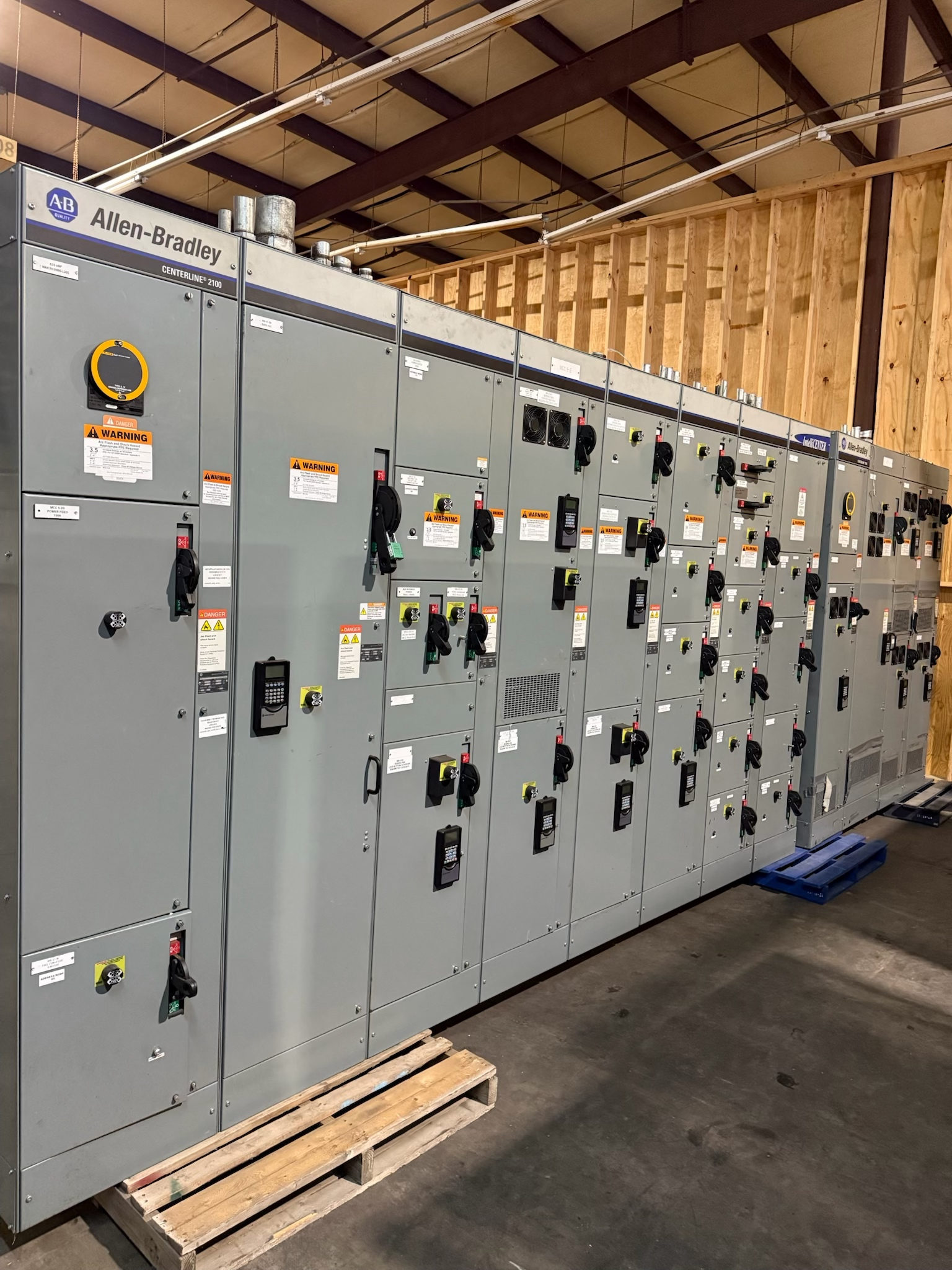
Set Communication Roles Before Comparing Suppliers
A supplier communication plan helps an owner or project team evaluate how a prospective supplier will manage decisions for new switchgear, not merely how quickly it answers an initial inquiry. Identify the customer’s project lead, electrical engineer, procurement contact, and site or facilities representative, then ask the supplier to name corresponding commercial and technical points of contact. Confirm who consolidates comments and who has authority to approve a change. This prevents separate conversations from creating conflicting assumptions about scope, schedule, or design.
Agree on working channels, expected response practices, meeting cadence, and how decisions will be recorded. A contact list should include alternates for key roles and define when a question is considered urgent. These arrangements are especially useful when the owner, engineer, contractor, and equipment supplier are in different organizations or locations.
Give the Supplier a Complete Application Brief
Good communication starts with the information needed to assess the application. Share available one-line diagrams, load and operating requirements, system voltage, available fault-current information, equipment location, environmental conditions, and the intended arrangement of incoming and outgoing connections. Identify whether the project involves a new installation, replacement, expansion, or integration with existing equipment. Mark preliminary information as preliminary; a supplier should not treat unknowns as verified design inputs.
Ask what additional documents or decisions are needed before a proposal can be technically meaningful. The project team should verify system data with qualified electrical professionals and coordinate requirements with relevant authorities. Equipment ratings, construction, and applicable standards depend on the design and project. Do not assume a particular enclosure, rating, or UL 891 applicability without review of the proposed assembly and its intended use.
Review Scope, Interfaces, and Design Choices
Use a structured proposal review to compare scope as well as price. Clarify included assemblies, transitions, metering or control provisions, documentation, and any items explicitly outside the supplier’s scope. For custom assemblies, confirm which project requirements are incorporated and which remain assumptions. Discuss dimensions, cable entry and termination needs, access and maintenance clearances, and how the equipment interfaces with upstream and downstream systems. These points can affect room layouts, conductor routing, and work by other trades.
Maintain a decision log for choices such as compartment arrangement, instrument locations, control power, communications interfaces, and labeling. Record the decision owner, date, rationale, and any drawing or specification revision affected. Where a proposed feature depends on coordination with other equipment or systems, identify the responsible party and obtain confirmation before design approval. A supplier’s response should distinguish confirmed scope from items requiring engineering review.
Make Reviews and Changes Traceable
Set review milestones that match the project: initial scope alignment, technical proposal review, drawing review, and confirmation of approved design inputs before release to production. Ask how comments should be submitted, how revisions will be identified, and whether a response will show each comment as accepted, rejected, or requiring clarification. Keep one controlled set of drawings and specifications so reviewers are not working from outdated documents.
Treat changes after approval as formal requests, even when they appear minor. Determine the impact on design, cost, procurement, and schedule before authorizing the change. The supplier and customer should identify which documents need revision and who confirms the updated version. For inspection or testing, clarify the proposed scope, documentation, witness expectations, and acceptance criteria in advance; do not assume a particular test, standard, or listing applies without project-specific confirmation.
Agree on Escalation and Open-Issue Handling
An escalation path turns stalled questions into assigned actions. Define the first contact for routine technical or commercial issues, the next decision-maker if the issue remains unresolved, and how safety, specification conflicts, or schedule-critical matters are elevated promptly. Set a reasonable response expectation by issue type rather than relying on informal promises. Escalation should bring the relevant decision-makers together, not bypass engineering review or the project’s approval process.
Track open issues in a shared register with a concise description, owner, due date, impact, and status. Separate unanswered questions from decisions awaiting customer approval and from supplier actions. Flag unresolved interface items, missing system data, and assumptions that could affect equipment selection or fit. Before closing an issue, record the agreed answer and update the affected specification, drawing, or schedule. This provides a practical audit trail if project participants change.
Use the Plan to Reach a Procurement Decision
Before issuing a purchase order, confirm that the supplier’s final scope aligns with the approved technical documents and that exceptions, exclusions, and customer-furnished information are visible. Review the proposed schedule with the supplier, but treat lead time as project-dependent and verify the basis and required decision dates. For a US-built assembly using all-American components, confirm that these stated sourcing requirements are documented for the specific order rather than assumed from general descriptions.
A practical next step is a short kickoff agenda: validate contacts, review the application brief, list interface owners, confirm document revisions, and assign every unresolved item. Close the meeting with named owners and dates, then circulate minutes for correction. If a supplier cannot explain how technical questions, changes, and escalations will be handled, request clarification before selecting it. Clear communication supports a more informed choice of new switchgear and reduces avoidable ambiguity through procurement.
Project specification checklist
Use this checklist to organize the details for a project-specific review. Final ratings, applicable standards and equipment selections depend on the approved design.
| Item | What to confirm |
|---|---|
| Project contacts | Confirm customer and supplier leads, technical reviewers, approval authority, and alternates. |
| Application inputs | Identify verified system data, drawings, operating needs, location conditions, and remaining unknowns. |
| Scope and interfaces | Document included equipment, exclusions, connection requirements, and coordination responsibilities. |
| Review and change control | Agree on document revisions, comment responses, approval milestones, and change-impact review. |
| Open issues and escalation | Track each item’s owner, due date, project impact, status, and escalation contact. |
| Procurement confirmation | Reconcile final scope and technical documents; verify project-specific schedule and sourcing terms. |