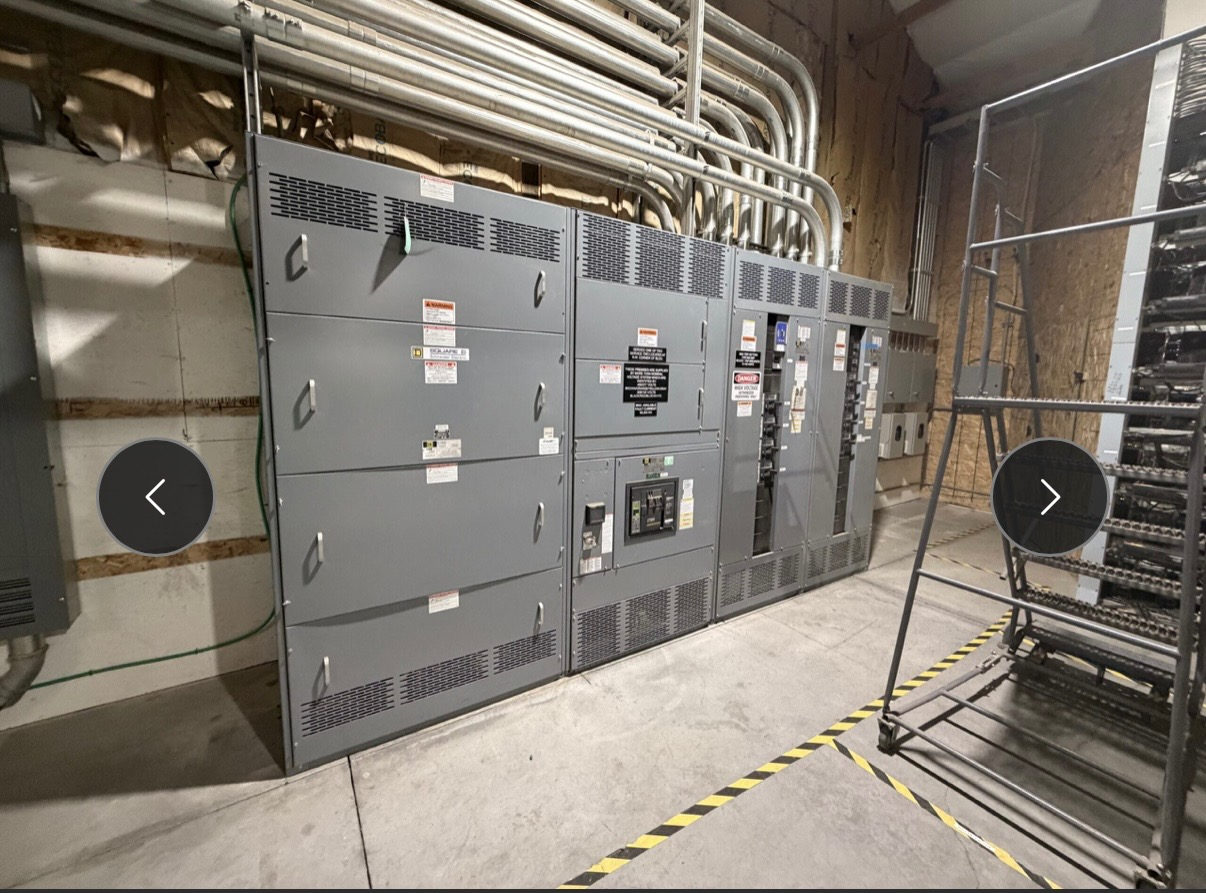
Define the supplier engineering scope
When choosing a switchgear supplier, establish who is responsible for translating the project specification into a coordinated equipment design. A supplier may prepare product drawings and assembly details, while the specifying engineer, electrical contractor, or owner retains responsibility for system design and overall code compliance. The contract documents should make that division explicit rather than relying on assumptions about what “engineering” includes.
Clarify the expected deliverables, review milestones, and approval process before placing an order. Ask which design decisions the supplier will make, which require customer direction, and who resolves conflicts between drawings and specifications. A clear scope helps prevent late changes, duplicated effort, and gaps in responsibility; it does not replace review by qualified electrical professionals or approval by relevant authorities.
Provide complete project inputs
A meaningful supplier engineering review starts with current, coordinated inputs. These commonly include the electrical one-line diagram, equipment schedules, project specifications, load and protection requirements, available fault-current information, and the intended system voltage and grounding arrangement. Provide the project location and environmental conditions that affect equipment selection, along with the required enclosure conditions and any applicable installation constraints.
Identify the source and status of each document, including revisions and outstanding assumptions. Note whether the equipment is new construction or part of a modification, what upstream and downstream devices it must coordinate with, and which information is still pending. Missing or provisional data should be called out rather than silently inferred. The project team should confirm design inputs and their suitability before they become the basis for manufacturing.
Resolve ratings and design choices
Equipment ratings and construction details must be selected for the actual application, not from a generic supplier capability statement. Confirm required voltage, continuous current, interrupting or withstand requirements as applicable, system configuration, bus arrangement, and the protective devices or metering specified. Suitability depends on the complete system and the relevant design criteria; a rating cannot be accepted without project-specific verification.
Discuss practical design choices such as incoming and outgoing cable or bus connections, access and orientation, compartment arrangements, metering provisions, and control-power needs. Confirm operating conditions, clearances, and physical constraints with the project team. Applicable standards and any required listing depend on equipment type and design; UL 891 applies to suitable switchboard assemblies, not automatically to every switchgear product. Document agreed choices and unresolved exceptions.
Coordinate drawings and interfaces
Review the supplier’s drawing package for more than appearance. Depending on scope, drawings may show overall dimensions, equipment arrangement, connection points, wiring or elementary diagrams, nameplate information, and interface details. Confirm what will be submitted, when revisions are due, and whether approval means permission to proceed with manufacturing or only acknowledgment of the design.
Interface checks should include cable entry and termination space, bus connections, grounding, control and communications points, conduit or raceway routes, and coordination with adjacent equipment. Confirm responsibility for foundation or mounting information, field wiring, and connections to systems outside the supplier’s assembly. Compare the latest drawings against architectural, structural, and electrical documents. Record comments clearly, assign each action, and circulate corrected revisions so contractors and other suppliers work from the same approved information.
Set expectations for studies and verification
Ask whether project studies are included in the supplier’s scope or must be provided by the engineer or another qualified party. Depending on the system and contract, relevant work may include short-circuit, coordination, or arc-flash analysis. The responsible study provider needs accurate system data and equipment details; do not assume that equipment selection alone establishes study results or that a supplier review substitutes for a complete system analysis.
Agree how design information will be checked before release and what production or acceptance testing is specified for the assembly. Confirm the applicable test requirements, documentation, witness arrangements, and responsibility for resolving discrepancies. Testing scope depends on the equipment and project documents. Any standards, listing, or test evidence should be confirmed for the particular design rather than presumed. Installation, energization, and safety procedures remain matters for qualified personnel under project requirements.
Close clarifications before procurement release
Use a written clarification log to close questions that affect price, schedule, design, or interfaces. For each item, identify the drawing or specification reference, the decision needed, the responsible party, and the date by which it must be resolved. Distinguish a supplier exception from a proposed alternative, and obtain documented approval from the party authorized to accept it. Verbal understandings are easy to lose when project teams or revisions change.
Before authorizing manufacturing, verify that the scope, approved drawing revisions, required ratings, connection details, study responsibilities, testing requirements, and open-item list are aligned. For a Central Texas project, coordinate document reviews and shipping expectations with the contractor and site team; a US-built assembly can ship nationwide, but timing and logistics are project-dependent. A focused review meeting with the supplier and qualified project professionals is a practical final step.
Project specification checklist
Use this checklist to organize the details for a project-specific review. Final ratings, applicable standards and equipment selections depend on the approved design.
| Item | What to confirm |
|---|---|
| Engineering scope | Confirm design duties, deliverables, exclusions, review stages, and who retains responsibility for system design. |
| Design inputs | Provide current one-lines, specifications, schedules, system data, site conditions, and identified assumptions. |
| Ratings and construction | Verify project-required ratings, configuration, connections, enclosure conditions, and applicable standards for the specific design. |
| Interfaces and drawings | Confirm dimensions, cable or bus connections, grounding, controls, adjacent equipment interfaces, and drawing revision status. |
| Studies and testing | Assign responsibility for required system studies and define applicable production or acceptance testing and documentation. |
| Clarifications and release | Document decisions, approved exceptions, unresolved items, and the conditions required before manufacturing authorization. |