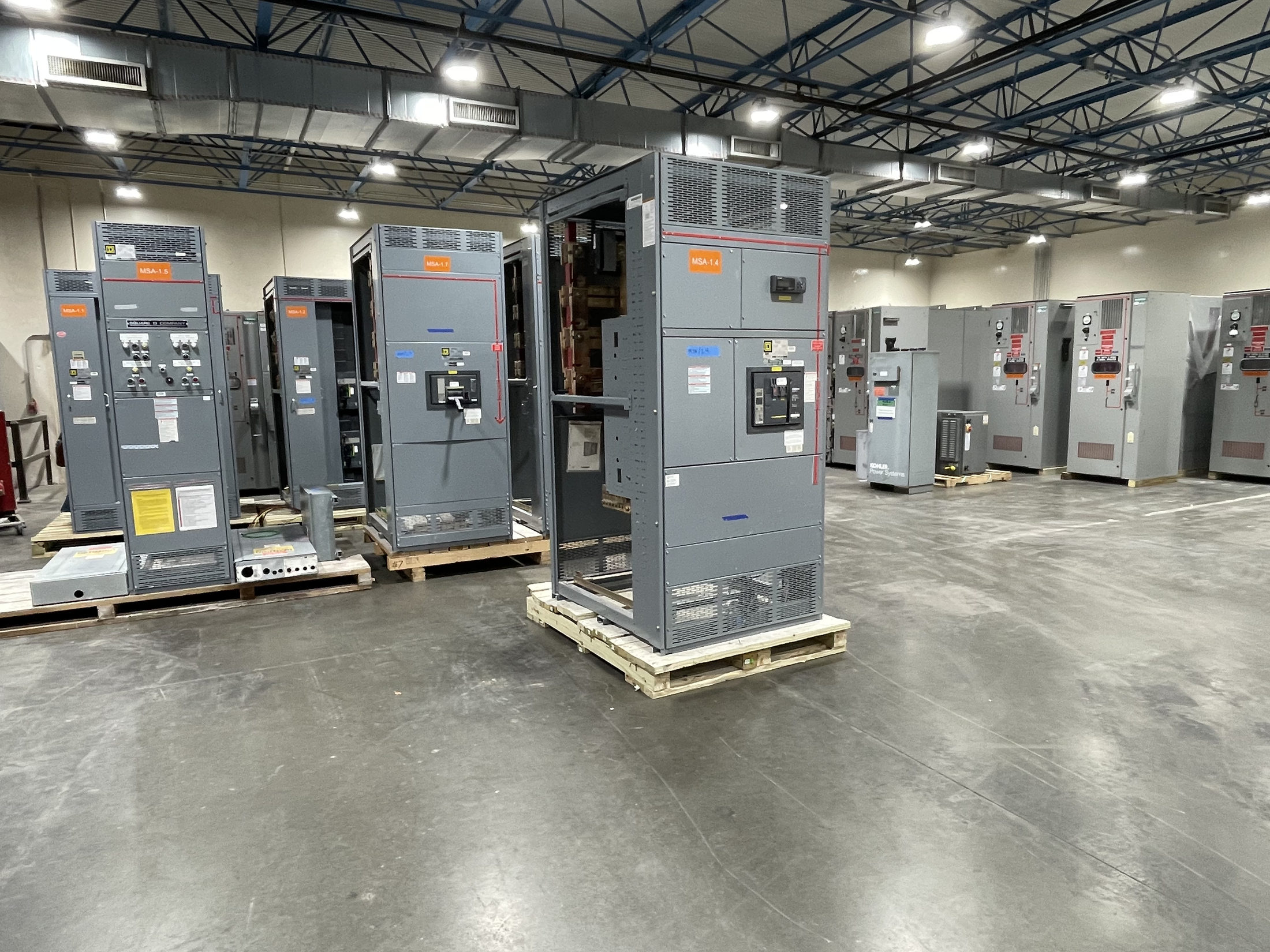
Start With the Application, Not a Product Label
Choosing a switchgear supplier begins with defining what the electrical system must do. Identify the facility type, whether the project is new construction or a replacement, the equipment’s role in the distribution system, and the loads or downstream equipment it serves. A supplier should use those details to clarify whether the project calls for a switchboard, low-voltage switchgear, medium-voltage equipment, or another assembly—not treat those terms as interchangeable.
For a Central Texas project, also establish who is responsible for the electrical design, installation, and review by the relevant authorities. Share available one-line diagrams, specifications, site constraints, and project milestones with prospective suppliers. A useful early discussion identifies missing information and design dependencies before they become procurement assumptions. The equipment manufacturer can develop new equipment to an approved project specification, but the owner’s qualified electrical professionals remain essential to defining system requirements and confirming suitability.
Compare Technical Fit and Applicable Standards
Evaluate suppliers on whether they can interpret the project’s electrical requirements and document the proposed assembly’s scope. Confirm that voltage, continuous current, short-circuit withstand or interrupting requirements, system configuration, and environmental conditions are addressed for this application. These are not universal product attributes: the required values and acceptable equipment depend on the system study, design, installation conditions, and applicable codes and standards.
Ask which standards apply to the specific equipment and what evidence or documentation is provided for the proposed design. UL 891 applies to suitable switchboard assemblies; it should not be assumed to cover every switchgear product or medium- and high-voltage equipment. A supplier should distinguish its offered configuration from project requirements and flag items needing confirmation by the engineer or authority having jurisdiction. Compare clear, project-specific answers rather than relying on broad claims about ratings, listings, or suitability.
Assess Custom Design and Configuration Control
A new switchgear supplier should explain how it turns the approved specification into a defined assembly. Discuss arrangement, incoming and outgoing sections, protective devices, metering, control features, bus configuration, cable entry, and space or access constraints only as they apply to the project. Ask how deviations, exclusions, and unresolved choices will be recorded so the design team can review them before release for production.
Custom assemblies can be developed to specification, but “custom” does not by itself establish that a particular design is available or acceptable. Confirm the proposed scope against drawings, equipment schedules, coordination studies, and installation requirements. Establish who reviews and approves drawings, how revisions are handled, and which party resolves conflicts between documents. This discipline helps owners and contractors compare equivalent proposals and reduces the chance that a low-price comparison omits required functions or assumes an unverified configuration.
Review Quality, Testing, and Documentation
Ask what design and production checks apply to the exact assembly, and what records the supplier will provide. Depending on the equipment and contract, useful items to clarify may include approved drawings, nameplate information, inspection records, and test documentation. Confirm the scope and limits of any factory testing offered; do not assume a test proves system-level coordination, field installation quality, or compliance with every project requirement.
Coordinate testing expectations early among the manufacturer, electrical contractor, engineer, and owner. Define how equipment identification, shipping splits, interfaces, and required documentation will align with installation and commissioning plans. Applicable standards and verification practices vary by equipment design and project. Have qualified electrical professionals review the proposed test plan and documentation, and coordinate acceptance with relevant authorities. Avoid relying on generic statements such as “fully tested” without learning what was tested, against which criteria, and how results will be recorded.
Compare Procurement and Schedule Assumptions
For procurement, compare proposals on a consistent scope: equipment included, options, exclusions, required customer inputs, drawing milestones, and stated schedule assumptions. Lead times are project-dependent; request a schedule based on the actual configuration and confirm what starts the schedule, what approvals are needed, and how late design changes may affect it. Treat estimates as planning inputs, not delivery commitments unless the contract clearly establishes them.
A manufacturer building in the USA with all-American components may be a relevant sourcing consideration for a project, but it does not replace technical review or establish a delivery date. For a Central Texas job, coordinate the ship-to location, receiving arrangements, access, unloading responsibility, and storage plan with the contractor and project team. A supplier able to ship nationwide can support projects beyond the region; verify the specific shipment scope and logistics for the destination rather than assuming local service or installation support.
Make the Selection With a Documented Next Step
Before selecting a new switchgear supplier, prepare a comparison that records technical exceptions, confirmed standards, design responsibilities, documentation, commercial scope, and schedule conditions. Ask each supplier to identify open questions and assumptions in writing. Resolve material differences with the engineer before award, especially those involving system ratings, protection, physical interfaces, and required approvals. Price is meaningful only when the proposals cover comparable equipment and responsibilities.
A practical next step is to send the preferred supplier the current specification, one-line diagram, equipment schedule, project location, required review dates, and known site constraints, then request a written scope and list of information still needed. For projects in Austin and Central Texas, include the contractor’s receiving and coordination contacts as they become available. Review any proposed UL 891 assembly only where that standard fits the design, and have qualified professionals verify the final equipment selection against project documents and applicable requirements.
Project specification checklist
Use this checklist to organize the details for a project-specific review. Final ratings, applicable standards and equipment selections depend on the approved design.
| Item | What to confirm |
|---|---|
| Application definition | Confirm equipment function, system context, facility needs, and project design responsibilities. |
| Electrical requirements | Verify project-specific voltage, current, fault-duty, protection, and environmental requirements with qualified professionals. |
| Standards and evidence | Identify standards applicable to the exact equipment and the documentation or test records included. |
| Design scope | Record configuration, options, exclusions, drawing approvals, revisions, and unresolved decisions. |
| Procurement and logistics | Confirm schedule assumptions, customer inputs, shipping scope, receiving arrangements, and destination-specific coordination. |