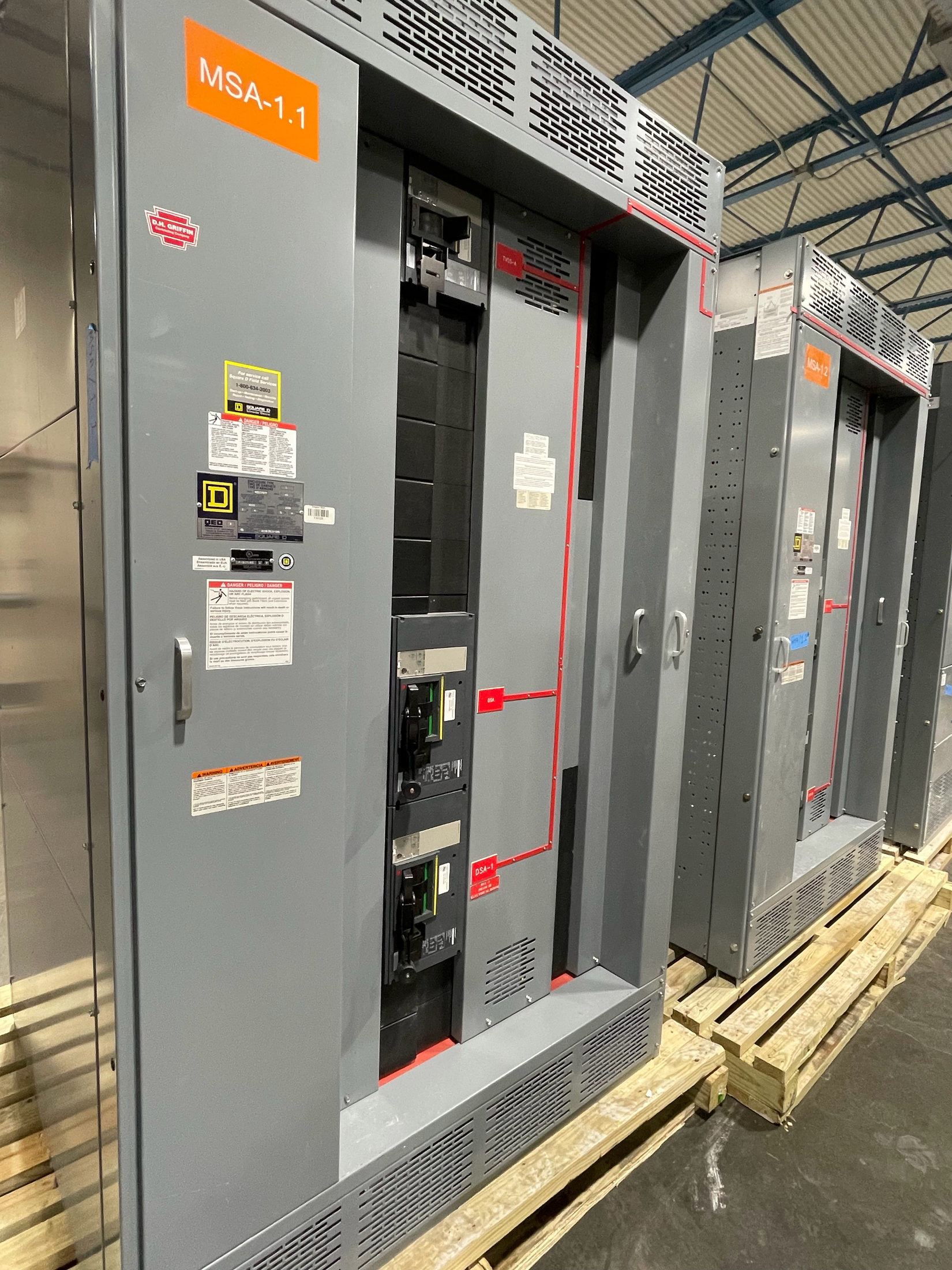
Start with the Application and Supplier Fit
A supplier qualification checklist should begin with the project, not a product catalog. Document what the new switchgear must serve, its role in the electrical distribution system, the installation environment, and the expected operating conditions. Identify whether the scope calls for a switchboard, low-voltage switchgear, or medium-voltage equipment; these terms describe different equipment and are not interchangeable. Clarify whether the supplier will provide a complete assembly, selected sections, or equipment built to another party’s design. This first review helps determine whether the supplier’s stated experience and manufacturing scope fit the application, and exposes gaps that need an early technical answer.
Ask the supplier to explain which requirements it can meet directly and which depend on engineering review, component selection, or coordination with other project participants. A US manufacturer that builds equipment to specification may offer a different procurement path from a distributor of standard configurations. Confirm that the proposed scope is new equipment, identify where design responsibility lies, and record assumptions rather than treating an initial conversation as approval. The application and site conditions must be reviewed by qualified electrical professionals and relevant authorities before equipment is selected.
Verify Technical Capability Against Project Inputs
Provide comparable suppliers with the same essential inputs: one-line diagram, system voltage, available fault-current information, load and feeder schedule, future expansion needs, and the intended source and load connections. Include the project’s environmental conditions, indoor or outdoor location, access constraints, and any physical or operational requirements. Ask the supplier to identify missing or conflicting inputs, then describe how those gaps affect selection. Do not accept a general statement that equipment is suitable without checking the proposed design, ratings, configuration, and applicable requirements for this specific installation.
Review the supplier’s experience with the relevant equipment type and complexity, including custom assemblies if the project needs them. Discuss bus arrangement, incoming and outgoing connections, metering, protective devices, control or communication interfaces, and space for future provisions as applicable to the design. Confirm that each claimed capability is available for the requested assembly rather than inferred from a different product line. Voltage, continuous current, short-circuit performance, enclosure, and other ratings require project-specific verification; there is no universal rating suitable for every installation.
Clarify Design Choices and Interfaces
Qualification should reveal how the supplier turns project requirements into a controlled design. Ask who resolves equipment boundaries and interfaces with the electrical engineer, utility, transformer, generator, transfer equipment, protective relays, building systems, and installation contractor, as applicable. Confirm connection details, cable or bus entry, clearances, section arrangement, access, and any required control wiring or communications. Provide site drawings and interface schedules where available. Document who supplies each item and who reviews it; unclear divisions of responsibility can lead to incompatible connections, incomplete scope, or late revisions.
Ask how design changes are submitted, assessed, and approved, and which documents will be issued at each review stage. Confirm how deviations from the project specification are identified rather than silently substituted. Discuss whether custom assembly details can be accommodated and what information the supplier needs to assess feasibility and schedule impact. For applicable assemblies, ask whether UL 891 applies to the proposed switchboard design and what evidence will be provided. Do not assume that UL 891 applies to medium- or high-voltage equipment or to every product; applicable standards and evaluations depend on the design and project.
Assess Documentation and Quality Controls
Request a document register suited to the project. It may include equipment schedules, outline and connection drawings, elementary diagrams where relevant, component information, operating and maintenance materials, and final record drawings. Agree on formats, review periods, required submittals, language, and closeout expectations before placing an order. Check that documents identify the actual proposed configuration and distinguish supplier information from items requiring engineer or authority approval. For custom equipment, establish how approved revisions will be tracked so procurement, fabrication, testing, and final records remain aligned.
Ask the supplier to describe its quality process in terms that can be verified: design review, component identification, assembly checks, inspection records, nonconformance handling, and control of revisions. Determine what production or acceptance testing is proposed, what test records are supplied, and whether customer or third-party witnessing is required and feasible. Testing must reflect the equipment design and project requirements; a generic claim of testing does not establish a particular rating, listing, or performance. Confirm the applicable standards and evidence with the responsible electrical professionals and relevant authorities rather than assuming a certification transfers across product types.
Check References, Coordination, and Schedule Basis
References can help establish whether a supplier communicates effectively and completes work similar in scope, but they should be relevant to the equipment and project demands under review. Ask for references the supplier is authorized to share, then use consistent questions: Was the scope clearly documented? Were submittals useful and revisions controlled? Were interfaces and exceptions addressed promptly? Did delivered documentation match the final equipment? A reference does not replace technical review or prove that the current proposed assembly has the required ratings, standards coverage, or configuration. Treat references as one source of evidence alongside drawings, quality information, and a clear proposal.
Request a schedule basis that identifies the assumptions behind engineering, approvals, component procurement, production, testing, and shipment. Lead times depend on project requirements and should be confirmed for the actual scope; avoid relying on a general estimate. For Austin and Central Texas projects, coordinate delivery planning with the site’s receiving process, access restrictions, storage arrangements, and the installer’s sequence, without assuming the supplier provides site services. A manufacturer building in the USA with all-American components may be relevant to procurement requirements; confirm the specific sourcing and documentation expectations for the project.
Turn the Checklist into a Defensible Decision
Compare proposals against the same written requirements, not just price or headline lead time. Record each supplier’s confirmed capabilities, open questions, exclusions, proposed deviations, document commitments, quality evidence, reference findings, and schedule assumptions. Mark each technical item as accepted, requiring clarification, or subject to approval by the responsible engineer or authority. Resolve differences in scope before comparing commercial terms, especially where one proposal includes design coordination, testing records, or custom details that another leaves undefined. A short qualification record makes the selection rationale understandable to engineering, procurement, construction, and operations teams.
Before an order, issue the latest approved one-line diagram, equipment schedule, interface information, site constraints, and project specification, then request written confirmation of the proposed scope and unresolved items. Assign owners and due dates for each open decision, including rating verification, applicable standards, drawing review, witness testing, and delivery coordination. Confirm how changes will be priced and scheduled and what final documentation is required. This process does not replace engineering approval: qualified electrical professionals and relevant authorities must review the design and its application before installation or use.
Project specification checklist
Use this checklist to organize the details for a project-specific review. Final ratings, applicable standards and equipment selections depend on the approved design.
| Item | What to confirm |
|---|---|
| Application inputs | Confirm equipment type, system information, load requirements, fault-current data, environment, and future provisions for the project. |
| Ratings and standards | Verify proposed ratings and applicable standards for the specific design with qualified professionals and relevant authorities. |
| Scope and interfaces | Record supplier responsibilities, connection boundaries, control and communication interfaces, exclusions, and design assumptions. |
| Documentation and quality | Agree on submittal and closeout documents, revision control, inspection evidence, and project-appropriate testing records. |
| References and schedule | Check relevant references and confirm schedule assumptions, review milestones, procurement dependencies, and delivery coordination. |