Start with the Scope, Not the Supplier Label
When choosing a switchgear supplier, distinguish who builds the equipment from who coordinates its purchase. A manufacturer designs or assembles equipment within its defined scope; a distributor typically facilitates sourcing, quotations, order handling, or communication between parties. Actual responsibilities vary by company and contract, so the title alone does not establish who owns a technical answer, resolves a discrepancy, or confirms a delivery milestone.
For a new installation or replacement, first define the application: what the equipment serves, where it connects, and what the project requires it to accomplish. Identify the buyer, electrical engineer, contractor, owner, and any other parties who approve selections. Then ask each prospective supplier to state its role in writing. Clear boundaries early help prevent gaps between the approved design, the quoted equipment, and the site’s procurement schedule.
Provide the Design Basis for a Comparable Quote
A useful request for quotation gives suppliers the same design basis. Share the one-line diagram, project specifications, equipment schedules, available utility or upstream-system information, and the intended operating arrangement when available. Include the installation location and environmental conditions relevant to enclosure selection, plus space, access, cable-entry, and connection constraints. Identify required interfaces with protective devices, controls, metering, communications, or adjacent equipment.
Do not treat a distributor’s catalog description or a manufacturer’s standard offering as proof that a configuration fits. Confirm who reviews the documents and who raises exceptions. If project information is incomplete, ask the supplier to identify assumptions and unanswered questions rather than silently filling gaps. A qualified electrical professional must evaluate design suitability; relevant authorities and project requirements also govern. This shared basis makes technical and commercial proposals easier to compare without assuming identical scope.
Assign Technical Decisions and Design Changes
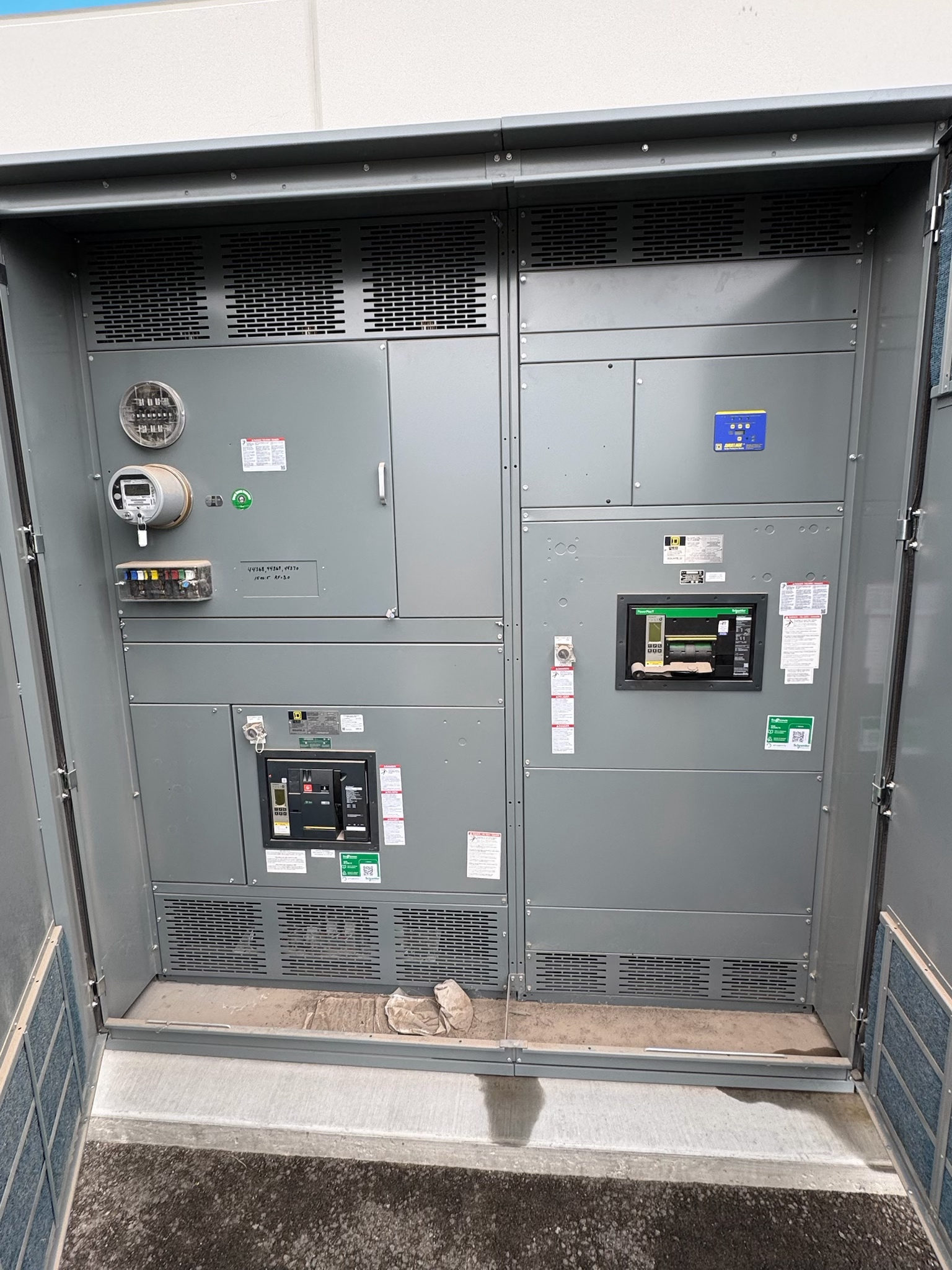
Equipment selection depends on the system and project, not a generic product label. The responsible design team should establish required voltage, continuous-current needs, short-circuit withstand or interrupting considerations, protective-device coordination, bus arrangement, grounding, enclosure, and applicable standards. These are project-specific decisions: no rating, enclosure type, or standard applicability should be presumed suitable before review.
Ask the manufacturer which design details it controls and what information it needs to configure an assembly. Ask a distributor whether it is transmitting an approved design, coordinating a manufacturer’s review, or proposing an alternative. Record deviations, substitutions, and open points in the quotation and submittal process. Changes to ratings, dimensions, components, or interfaces can affect fit, coordination, compliance, and schedule; obtain review and approval from the appropriate project professionals before treating a change as accepted.
Map Interfaces, Submittals, and Testing
Procurement responsibility includes more than placing an order. Establish who prepares or supplies drawings, who reviews them, how comments are resolved, and which party issues the final approved configuration. Confirm interface responsibilities for incoming and outgoing conductors, control wiring, metering, communications, protective devices, and connections to other assemblies. Define required documentation and the project’s inspection or test expectations before release, rather than assuming a standard test scope.
Where factory testing or inspection is specified, confirm its scope, acceptance criteria, records, and schedule with the responsible supplier and project team. Applicable standards depend on the design and equipment category; UL 891 applies to suitable switchboard assemblies and is not a blanket claim for every switchgear product. Verify any requested listing or certification for the exact assembly. Site installation and energization are separate responsibilities that must be assigned to qualified parties under project procedures; never infer them from a supplier’s manufacturing role.
Compare Commercial Scope and Schedule Ownership
A manufacturer may quote equipment it builds, while a distributor may coordinate a manufacturer quotation or provide a broader procurement channel. Neither model automatically determines who manages submittal questions, change orders, freight coordination, or schedule updates. Compare the written scope: included equipment and documentation, exclusions, assumptions, approval milestones, payment terms, and the process for handling revisions. For US-built equipment using all-American components, confirm that this description applies to the quoted scope rather than assuming it covers every item or interface.
Ask how lead time is established and which events affect it, such as design approval, component selection, or changes to the released scope. Short lead times may be an objective, but timing depends on the project and must be confirmed for the actual configuration. For a Central Texas project or a site elsewhere, clarify shipping destination, receiving constraints, delivery coordination, and who communicates schedule changes. Nationwide shipping capability does not itself establish a delivery date or site-service scope.
Use a Responsibility Checklist Before Award
Before selecting a supplier, send the same document set and ask for a written responsibility matrix. Name who answers technical questions, owns drawing revisions, confirms exceptions, coordinates testing, tracks approvals, and communicates shipping milestones. Request a quotation that identifies the proposed equipment and its limits, applicable standards or listings only where verified, outstanding decisions, and any customer-furnished information. Have the engineer and other designated reviewers resolve technical differences before commercial award.
Then compare proposals against the project’s approved design—not just price or supplier category. Confirm that the selected party accepts the stated scope and identify the person responsible for each handoff through order release and delivery. If a custom assembly is needed, provide the governing specifications and obtain confirmation that the proposed configuration can be reviewed against them. This process gives the owner and procurement team a practical basis for choosing between direct manufacturer coordination and distributor-supported purchasing without leaving technical accountability implicit.
Project specification checklist
Use this checklist to organize the details for a project-specific review. Final ratings, applicable standards and equipment selections depend on the approved design.
| Item | What to confirm |
|---|---|
| Application and system basis | Confirm the one-line diagram, operating arrangement, upstream information, and intended equipment function. |
| Required ratings and protection | Have qualified project professionals establish and verify voltage, current, short-circuit, and protective-device requirements. |
| Physical and electrical interfaces | Document enclosure conditions, dimensions, conductor entry, connections, controls, metering, and communications. |
| Standards and listing scope | Verify applicable standards and any requested listing for the exact equipment assembly and design. |
| Submittals, testing, and approvals | Assign drawing preparation and review, discrepancy resolution, test scope, acceptance criteria, and records. |
| Commercial and delivery responsibility | Confirm quoted inclusions, assumptions, change handling, lead-time basis, shipping destination, and schedule communications. |