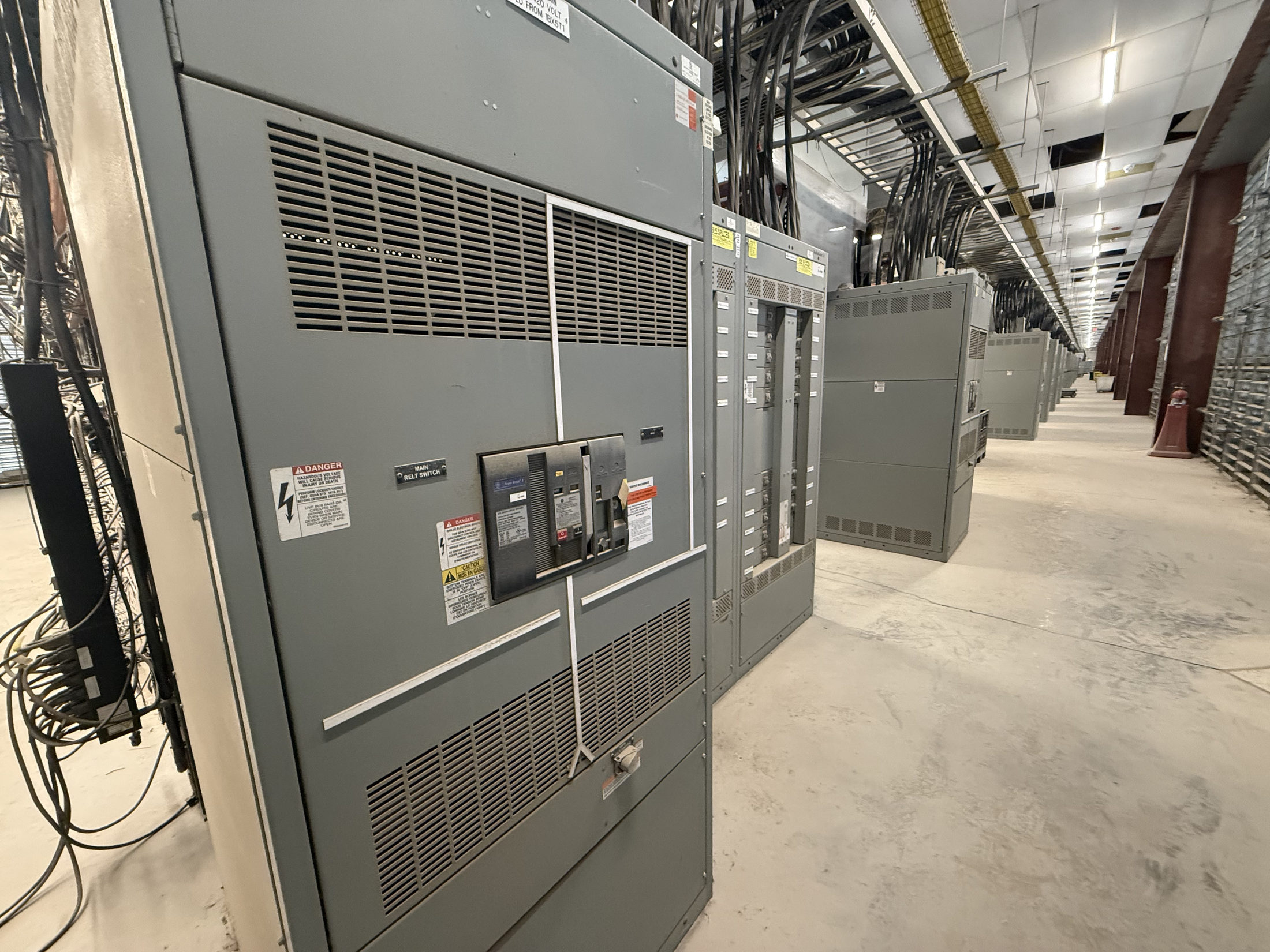
Build the document set around the project
Procurement documentation is the working record that connects a new switchgear purchase to the electrical design, commercial scope, and planned installation. For Central Texas projects, it helps the owner, engineer, contractor, and manufacturer align on what is being furnished and what remains outside the equipment package. A useful set typically begins with the project-specific equipment specification, the one-line diagram, load or application information, and the procurement scope. These materials are not interchangeable: the diagram shows system relationships, while the specification defines required equipment characteristics and the scope identifies responsibilities, interfaces, and exclusions. Establishing a controlled document set early reduces ambiguity when proposals, drawings, and revisions are reviewed.
Define the electrical application before requesting a proposal
The documents should identify where the equipment fits in the system and what it must do. Confirm the intended use, system voltage, phase and frequency, incoming and outgoing feeder arrangement, source configuration, and whether metering, protective devices, or other functions are required. The engineer should provide applicable load and fault information and clarify how the equipment interfaces with upstream and downstream systems. Do not treat a familiar rating or configuration from another project as automatically suitable. Required ratings, construction, and applicable standards depend on the design and must be verified by qualified electrical professionals. A complete application description gives the manufacturer a sound basis to evaluate the requested new switchgear and identify missing inputs.
Make selection criteria explicit and project-specific
A procurement specification should distinguish mandatory requirements from preferences and identify the basis for each. Address equipment type, arrangement, conductor and termination needs, access, environmental conditions, and any space or dimensional constraints that affect the design. State required enclosure characteristics and electrical ratings only as established by the project design; acceptability must be confirmed for the actual application. Identify the governing codes and standards applicable to the equipment rather than assuming one standard covers every assembly. UL 891 may apply to suitable switchboard assemblies, but it is not a blanket designation for all switchgear. Clear criteria help reviewers compare documents accurately and allow questions or deviations to be resolved before the design is finalized.
Document custom features and interfaces
Many projects need an assembly tailored to their electrical arrangement, physical layout, or operating requirements. Record the intended lineup sequence, access direction, cable entry and exit expectations, control and metering functions, and any required interface points. Include relevant architectural or room constraints and identify who supplies connected equipment, wiring, field terminations, and ancillary components. Mark uncertain information as pending instead of allowing an assumption to become a procurement requirement. Custom assemblies can be developed to specification, but feasibility depends on the complete design and project inputs. Reviewing these details together helps prevent conflicts between equipment drawings and the site plan, and makes responsibility boundaries visible to the owner, engineer, contractor, and supplier.
Coordinate submittals, review, and testing expectations
Procurement records should set out the expected drawing and submittal review process, including who reviews each document and how comments or revisions are returned. Confirm what technical documents are required for the project, such as equipment layouts, connection information, or control details, as applicable to the design. Identify testing and inspection expectations in the specification and confirm which activities are included in the proposed scope; do not infer a test, certification, or listing that has not been stated and verified. The project team should also define how approved revisions are recorded and distributed. Involving qualified electrical professionals and relevant authorities in the review supports a consistent basis for design acceptance and subsequent installation planning.
Turn the approved package into practical next steps
Before placing an order, reconcile the final specification, drawings, proposal, exceptions, and commercial terms so they describe the same equipment and responsibilities. Confirm the required approval sequence, decision makers, current revision, requested project dates, shipping destination, and any site-specific receiving or access constraints. For a Central Texas project, coordinate the delivery plan with the contractor and site team without assuming a particular route, schedule, or local service arrangement. Lead times depend on the project and should be confirmed against the final scope. A practical next step is to assign an owner to close each open technical or commercial item, then submit the controlled document set for review. This creates a clearer basis for procurement, fabrication planning, and installation coordination.
Project specification checklist
Use this checklist to organize the details for a project-specific review. Final ratings, applicable standards and equipment selections depend on the approved design.
| Item | What to confirm |
|---|---|
| Application basis | Confirm system configuration, intended use, and applicable source and feeder information. |
| Ratings and standards | Specify only project-verified ratings and identify standards applicable to the equipment design. |
| Physical arrangement | Document lineup, access, cable entry, room constraints, and required interface points. |
| Scope boundaries | Clarify included equipment, exclusions, field work, and responsibility for connected components. |
| Review and testing | Name reviewers, revision controls, required submittals, and project-specific inspection or test expectations. |
| Procurement logistics | Confirm requested dates, destination, receiving constraints, and open items before order release. |