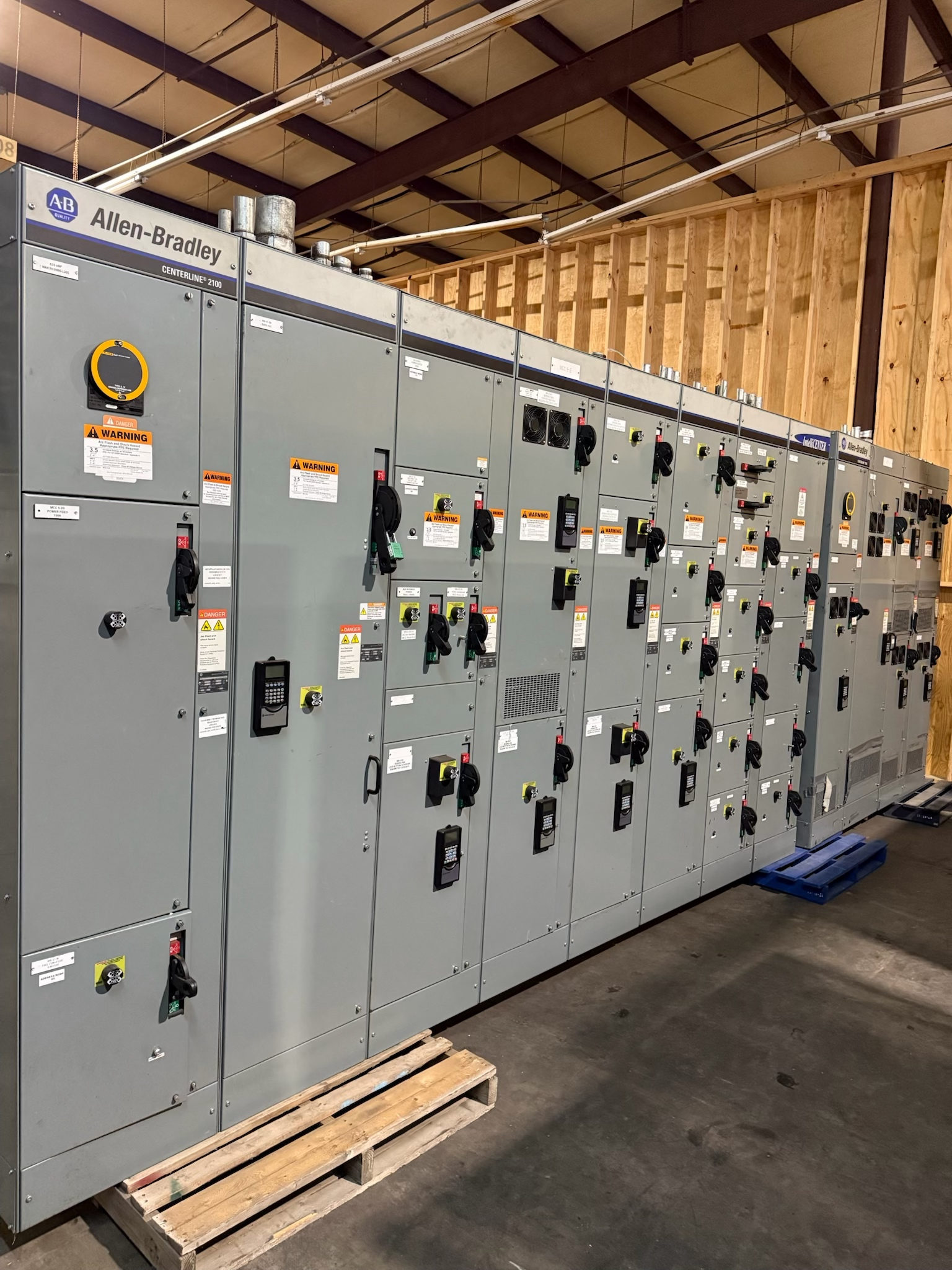
Build a Milestone Plan Around the Project
Delivery milestone coordination connects the equipment purchase to the site’s construction and installation sequence. For new switchgear, a useful schedule distinguishes design information needed to release the order, factory completion, readiness to ship, transport, receipt, and the planned installation window. These dates are related but are not interchangeable: factory completion does not mean equipment has arrived, and arrival does not establish that the installation area is ready.
Begin with the required in-service date and work backward with the project team, treating each date as a target to confirm rather than a promise. Switchgear lead times and scheduling depend on the approved scope, design decisions, component requirements, and current project conditions. Identify who owns each milestone, what evidence closes it, and which decisions could affect subsequent work.
Confirm Scope Before Establishing Dates
A schedule is only meaningful when it reflects the specified equipment. Provide the manufacturer with the project drawings and electrical requirements available at the time of inquiry, including system voltage, required current and fault-duty ratings, configuration, incoming and outgoing connections, metering or control functions, and intended application. Qualified electrical professionals must verify that proposed selections suit the system; ratings and acceptable designs cannot be assumed from a general product description.
Also identify the applicable design standards, authority or owner requirements, and any requested listing or documentation. UL 891 may apply to suitable switchboard assemblies, but it is not a blanket designation for every switchgear product. Confirm the actual assembly type and compliance requirements during review. Early clarity on scope, open items, and approval responsibility helps establish a realistic factory schedule and reduces avoidable redesign.
Resolve Design Choices That Affect Factory Completion
Before design release, confirm the details that shape the assembly and its interfaces: lineup arrangement, compartment functions, bus and cable entry orientation, termination space, control wiring, accessories, and finish or enclosure requirements. Each choice must be checked against the project documents, equipment application, and installation environment. Enclosure type, dimensions, and electrical ratings are project-specific selections, not universal capabilities.
Agree on the drawing review process, required submittal content, comment deadlines, and who can approve changes. Late revisions to connection locations, control requirements, or the equipment arrangement may require renewed technical review and can affect the production sequence. Record unresolved decisions with an owner and due date. If a custom assembly is required, communicate the complete specification and interface conditions early so the design and expected completion milestone can be evaluated together.
Coordinate Factory Testing and Release to Ship
Ask what factory inspection or testing is applicable to the specified assembly, what documentation will be provided, and whether customer or consultant witness activity is required. Test scope depends on the design and project requirements; do not assume a particular test, certification, or approval applies. Establish review and witness dates early, including attendee responsibilities and the process for recording and resolving observations.
Define the conditions for factory completion and shipment release, such as completion of agreed checks, disposition of open comments, and delivery of required records. Confirm whether the shipment can proceed as planned if a document or approval remains outstanding. A clearly documented release point helps the project team coordinate freight and site receiving without confusing a completed factory milestone with final acceptance, installation, or permission to energize.
Prepare the Site and Freight Interfaces
Before scheduling transport, confirm the delivery address, receiving contact, access route, delivery-hour restrictions, unloading responsibility, and any site rules that affect the carrier. The project team should verify that the equipment can move from the receiving point to its final location, including route clearances and handling arrangements. Determine who will inspect the shipment on arrival, document its condition, and report discrepancies through the agreed process.
Site readiness includes more than an available room. Confirm that the electrical space, housekeeping pad or supporting surface if specified, penetrations, cable pathways, and required working clearances align with approved drawings and applicable project requirements. Check construction progress and coordinate storage conditions if the site cannot accept delivery at factory completion. Freight timing and receiving arrangements should be agreed with the responsible parties; do not infer local delivery, unloading, storage, or installation services unless expressly confirmed.
Connect Delivery to Installation and Next Actions
Installation planning should align equipment arrival with the electrical contractor’s sequence, connection materials, access, and completion of relevant site work. Confirm who is responsible for setting, anchoring, interconnections, grounding, controls, inspections, and commissioning activities; responsibilities vary by contract and are not implied by equipment supply. Qualified professionals must review installation requirements and coordinate with relevant authorities. No schedule should treat receipt or factory testing as authorization to energize.
For a practical next step, assemble the one-line diagram, equipment specification, project schedule, site access details, receiving plan, and required approval dates. Mark the in-service target, identify long-lead decisions, and request a milestone review against the actual scope. Revisit dates when drawings, approvals, construction readiness, or freight conditions change. This gives the manufacturer and project team a shared basis for discussing completion and shipment targets without representing unverified availability or a guaranteed delivery date.
Project specification checklist
Use this checklist to organize the details for a project-specific review. Final ratings, applicable standards and equipment selections depend on the approved design.
| Item | What to confirm |
|---|---|
| Design release | Confirm required drawings, technical inputs, approval authority, and dates for resolving comments. |
| Equipment scope | Verify application, ratings, arrangement, connections, control functions, enclosure needs, and applicable requirements for the project. |
| Factory milestone | Agree on what constitutes completion, applicable testing, documentation, and any witness or shipment-release conditions. |
| Freight and receiving | Confirm delivery access, receiving contact, unloading responsibility, inspection process, and storage plan if needed. |
| Site and installation | Check room readiness, route clearances, installation interfaces, contractor responsibilities, and inspection coordination. |