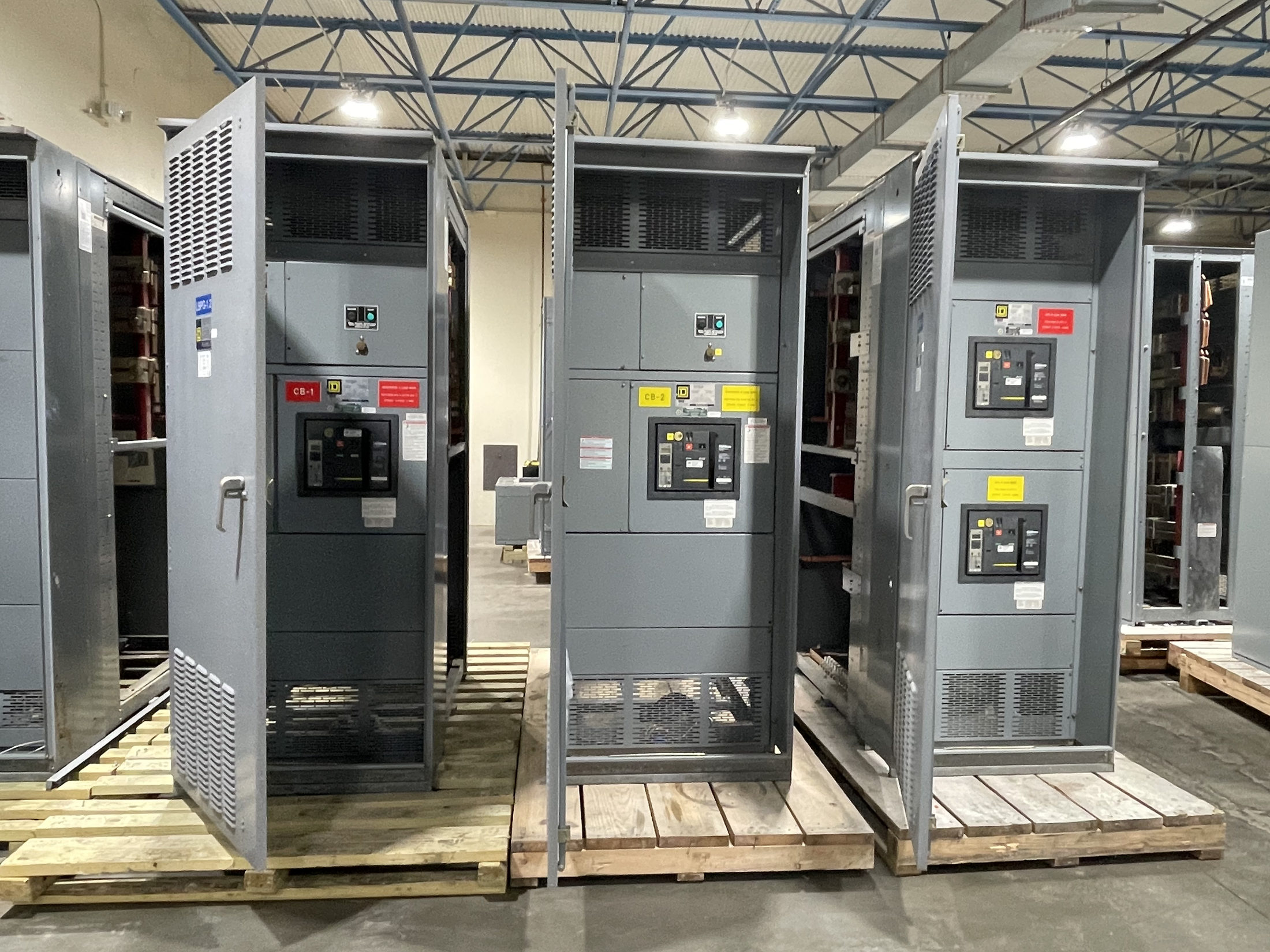
Start with the procurement scope
Equipment submittal requirements turn a project specification into a coordinated package that can be reviewed before new switchgear is released for manufacture. The package should identify the equipment being procured, its intended function, and the boundaries of the supplier’s scope. Clarify whether the request covers a switchboard, switchgear lineup, or another assembly; terminology alone is not enough to establish construction or applicable standards.
Provide the project specification, one-line diagram, load and circuit schedules, and any issued design criteria available at bid or order stage. Identify the engineer of record, purchasing contact, and other reviewers, along with the required review sequence and document format. State which information is preliminary and which is approved for design. This distinction helps prevent assumptions from becoming procurement commitments and gives the manufacturer a defined basis for preparing drawings and data.
Define electrical and operating inputs
Submittal data should connect the selected equipment to the actual electrical system. Project documents should identify system voltage, frequency, grounding arrangement, source configuration, available fault information, and the protective devices or coordination criteria that apply. Confirm the intended continuous loads, feeder quantities, spare or future provisions, and any operating modes that affect the lineup. Required ratings and construction depend on these inputs and must be evaluated for the specific design; no rating should be treated as acceptable by default.
Also record the site conditions and operating requirements that influence equipment selection, such as indoor or outdoor location, environmental exposure, access restrictions, and the method of connection to upstream and downstream equipment. The design team should flag unusual duty, switching, or maintenance needs for review. Qualified electrical professionals must verify system data and selections against project requirements and applicable codes, standards, and authority review; procurement documents should not substitute for that engineering judgment.
Use drawings to resolve interfaces
Drawings are most useful when they show both the assembly and its interfaces. Depending on the equipment and project, review general arrangement and elevation drawings, plan views, sections, connection points, and shipping or lineup divisions. Confirm dimensions and clearances against the room or pad layout, access path, doorways, lifting constraints, and installation sequence. Identify cable entry direction, termination space, bus or conduit connections, and the locations of field-installed components where those details are part of the design.
The one-line diagram and elementary or wiring information, when applicable to the scope, should align with circuit schedules and control requirements. Review metering, protective devices, control power, interlocks, and communications only where specified. Mark unresolved interface questions clearly: who furnishes each item, who connects it, and what information is needed from other trades or equipment suppliers? Early resolution reduces drawing revisions and avoids relying on dimensions or connection details that have not been verified for the actual site.
Review data and design choices
A complete package typically includes a bill of material or equipment schedule, component and rating data relevant to the design, and notes describing deviations or exceptions to the procurement specification. Where applicable, identify enclosure construction, finish, access, barriers, and environmental provisions as project choices requiring confirmation—not universal features. State the requested standards or certifications and ask the manufacturer to identify which apply to the proposed assembly. UL 891 is relevant to suitable switchboard assemblies; it should not be presumed for every switchgear type or configuration.
Reviewers should compare the submitted data with the contract documents line by line, including quantities, circuit designations, dimensions, interfaces, and specified options. A marked exception list makes differences visible and supports a documented resolution before approval. If the design requires custom assemblies, provide the functional and dimensional requirements that define acceptance. Approval should confirm conformance or record accepted changes; it does not transfer responsibility for verifying project criteria from the qualified design professionals.
Plan verification and testing responsibilities
The procurement package should state what design verification, inspection, or testing documentation is required, by whom, and at what stage. Requirements vary with equipment type, design, and applicable standards. Confirm whether factory testing is specified, what records are expected, whether witness participation is required, and how deficiencies or changes will be documented. Do not assume a particular test, certification, or listing applies simply because similar equipment has used it on another project.
Coordinate test and review timing with submittal approval, manufacturing release, and the project schedule. Identify who approves test procedures, who receives reports, and who resolves discrepancies among the specification, approved drawings, and test results. Site acceptance, installation, and energization responsibilities should be established separately by the project team and relevant authorities. Testing and documentation support verification, but they do not replace qualified engineering review or confirmation that the final installation meets the project’s requirements.
Set a practical review and release path
Before placing an order for new switchgear, assemble the current specification, system diagrams, schedules, site interface information, and a consolidated list of options and open questions. Assign reviewers for electrical design, physical coordination, controls, and procurement, and set a clear method for returning comments. Distinguish corrections from requested changes, since a late change to circuit counts, connections, dimensions, or components can affect drawings, cost, and schedule. Ask for project-specific lead-time information rather than assuming availability or a fixed delivery window.
Release documents should identify the approved revision and any conditions that remain open. Keep a record of accepted deviations, final drawing revisions, and required closeout data so purchasing, engineering, and site coordination use the same basis. For a Central Texas project or a shipment elsewhere, confirm the delivery destination, receiving constraints, shipment divisions, and required coordination dates with the project team. These concrete checks help procurement documentation support a buildable, reviewable equipment package without treating submittal approval as a substitute for field verification.
Project specification checklist
Use this checklist to organize the details for a project-specific review. Final ratings, applicable standards and equipment selections depend on the approved design.
| Item | What to confirm |
|---|---|
| System design inputs | Confirm voltage, grounding, source configuration, available fault information, loads, and protection criteria from verified project documents. |
| Interface drawings | Review dimensions, access, cable entry, terminations, lineup divisions, and connections against site and adjacent-equipment requirements. |
| Equipment data | Identify required components, options, ratings, construction, and any exceptions; validate each against the project specification. |
| Applicable standards | Specify project requirements and confirm which standards or certifications apply to the particular equipment and assembly. |
| Verification records | Define required inspection or testing, procedures, witness roles, reports, and discrepancy resolution responsibilities. |
| Review and release | Name reviewers, set comment and approval steps, track revisions and accepted deviations, and confirm shipment coordination inputs. |