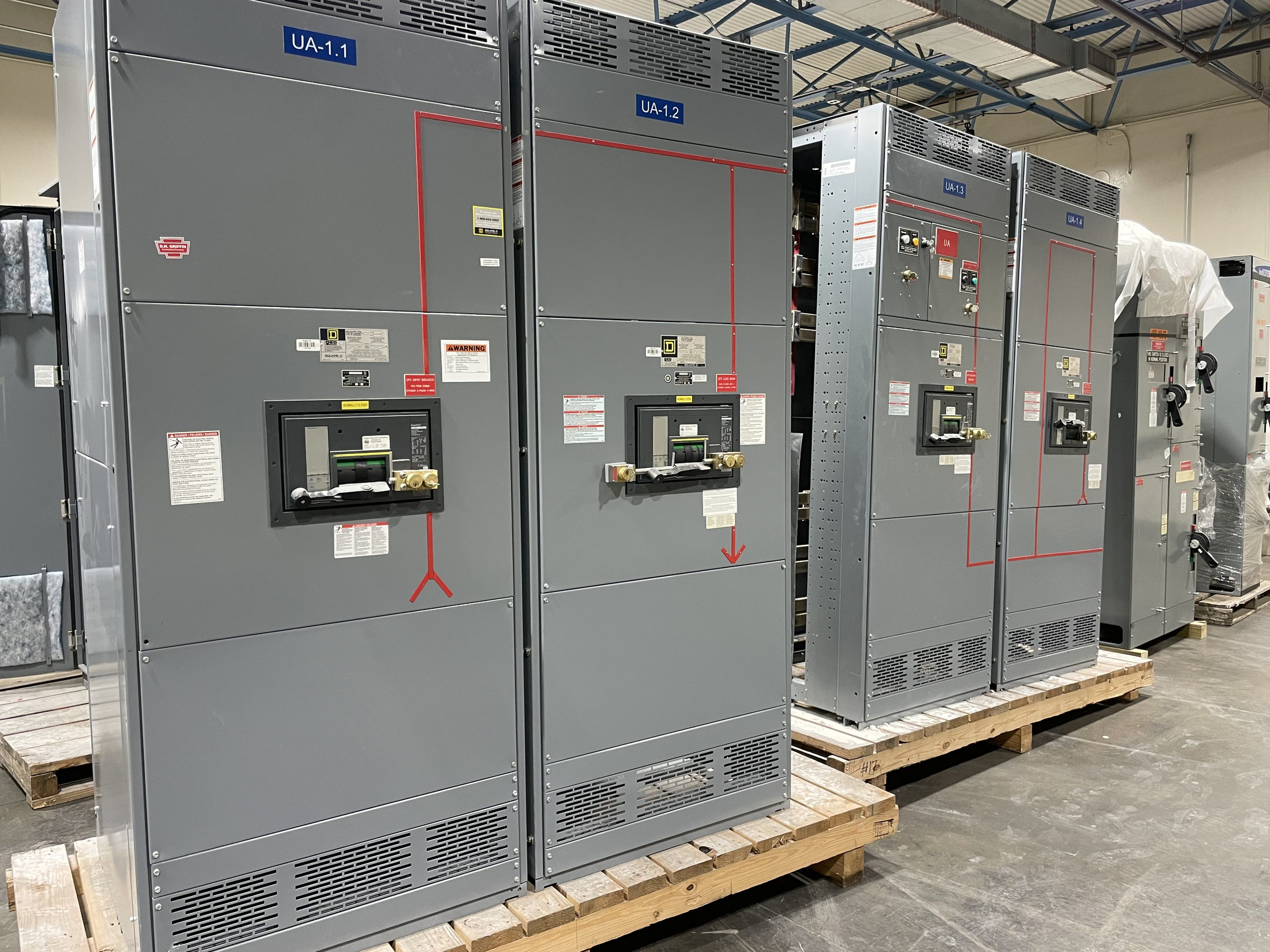
Set the report scope before ordering
Factory test report requirements belong in the procurement package for new switchgear, not as an afterthought at shipment. A clear scope tells the manufacturer what evidence the purchaser needs to review and helps prevent misunderstandings about which tests are included, what results will be recorded, and whether customer or third-party witnessing is requested. The report should correspond to the ordered assembly and its approved documentation, rather than rely on a generic sample or an assumption that every product receives the same tests.
Start with the equipment type, intended application, project specifications and required documentation schedule. Identify the purchaser’s review process, required submission format, language, approval milestones and records needed for turnover. The applicable standards and test scope depend on the design and project; UL 891 applies to suitable switchboard assemblies, not automatically to all switchgear. Have qualified electrical professionals define requirements and resolve conflicts before release for manufacture.
Make acceptance criteria measurable and agreed
Acceptance criteria should state how the purchaser and manufacturer will determine whether each required factory test has passed. Tie each criterion to the approved drawings, project specification, applicable standard where verified, and agreed test procedure. Clarify whether results must be numerical, recorded as pass or fail, or documented through inspection notes. Where a test method allows interpretation, identify the governing document and who has authority to resolve a discrepancy.
Avoid wording that asks for a “complete test report” without defining its contents. Agree how out-of-tolerance results, defects, corrective work and retesting will be recorded and submitted. Acceptance at the factory should not be treated as proof that the equipment will perform correctly in every installation condition, nor as a substitute for site commissioning or required field checks. Criteria must reflect the specific design and should be reviewed by the responsible project professionals before procurement approval.
Specify traceable test records
A useful report lets reviewers connect each recorded result to the equipment supplied. Request identifying information such as project designation, order or equipment identifiers, assembly sections, drawing revision, test date, procedure revision and the party performing or reviewing the test. Include applicable instrument identification or calibration information when required by the project specification or procedure. Define whether the report must include measured values, observations, test setup details, exceptions and disposition of corrective actions.
Also agree how records will be delivered and retained: individual reports or a consolidated package, electronic or other format, file naming, approval status and submission timing. For assemblies with multiple sections or separately documented components, specify how the package will show which records apply to which items. These details support procurement review, receiving checks, maintenance documentation and later troubleshooting. Do not assume a particular report format, test record set or certification is standard; state the required evidence in the purchase documents and confirm it during submittal review.
Choose witness and hold points deliberately
Witness points give designated parties an opportunity to observe specified factory activities; hold points require an agreed release before work proceeds. The procurement documents should identify the activities, notice period, attendee roles, remote or in-person options if acceptable, and the process for confirming attendance or waiving a point. Coordinate witness requests with the manufacturing and approval schedule. A witness point does not itself define a test’s acceptance criteria, and attendance should not replace the manufacturer’s responsibility to document results.
Select points based on project risk and the value of direct observation, rather than requesting attendance for every routine activity by default. Possible points may include review of an agreed test procedure or observation of specified tests, if applicable to the design. Confirm whether access, safety orientation, travel arrangements or independent inspection requirements are part of the project plan; do not presume these are included. Record witness decisions, comments, open items and disposition in the procurement file so that release responsibilities remain clear.
Coordinate interfaces and design-dependent tests
Test planning depends on the actual assembly and its interfaces. Provide current one-line diagrams, equipment schedules, approved drawings, control schematics, protection requirements, accessory lists and relevant interface details as applicable. Identify connections to upstream and downstream equipment, control or communication interfaces, and project-specific features that affect inspection or testing. The manufacturer and purchaser should resolve drawing revisions and scope boundaries before the test procedure is finalized, especially where components or functions are supplied by different parties.
Confirm which tests apply to the ordered design and which are outside the factory scope. Requirements for switchboards, medium-voltage equipment and other assemblies are not interchangeable; applicable standards, ratings and evidence must be verified for the specific equipment. Do not assume a listing, test capability or acceptance method. If project requirements call for third-party review or special documentation, identify that early and agree responsibilities, timing and deliverables in writing. Qualified electrical professionals should review technical requirements and interfaces before approval.
Close procurement gaps before release
Before issuing or finalizing a purchase order, compare the specification, quotation, approved submittals and proposed test documentation requirements line by line. Resolve any differences in test scope, acceptance criteria, witness notices, report contents, review deadlines and corrective-action records. Assign who will approve procedures, receive reports, respond to questions and authorize release after required hold points. Make clear whether shipment requires report submission, purchaser review or another documented milestone; do not leave that sequence implicit.
A practical next step is to provide the manufacturer with the project’s report checklist and witness schedule alongside the technical specification, then request written confirmation of included records and exceptions. Review the submitted procedure before testing begins, and use a tracked comment log for revisions and open items. After testing, verify that the final report identifies the delivered equipment, records agreed results and closes exceptions. This focused review makes procurement documentation more usable at receiving and turnover without treating factory records as a substitute for installation-specific checks.
Project specification checklist
Use this checklist to organize the details for a project-specific review. Final ratings, applicable standards and equipment selections depend on the approved design.
| Item | What to confirm |
|---|---|
| Equipment identification | Confirm project and order identifiers, assembly references, drawing revision and traceability expected in each report. |
| Test scope | List required tests and inspections, applicable procedures and standards, and any expressly excluded activities. |
| Acceptance criteria | Define pass/fail thresholds, governing documents, exception handling, corrective action and retest documentation. |
| Witness and hold points | Name activities, notice requirements, attendees, release authority and the method for documenting waivers or comments. |
| Report package | Set required content, format, submission timing, review process, retention and final closeout expectations. |