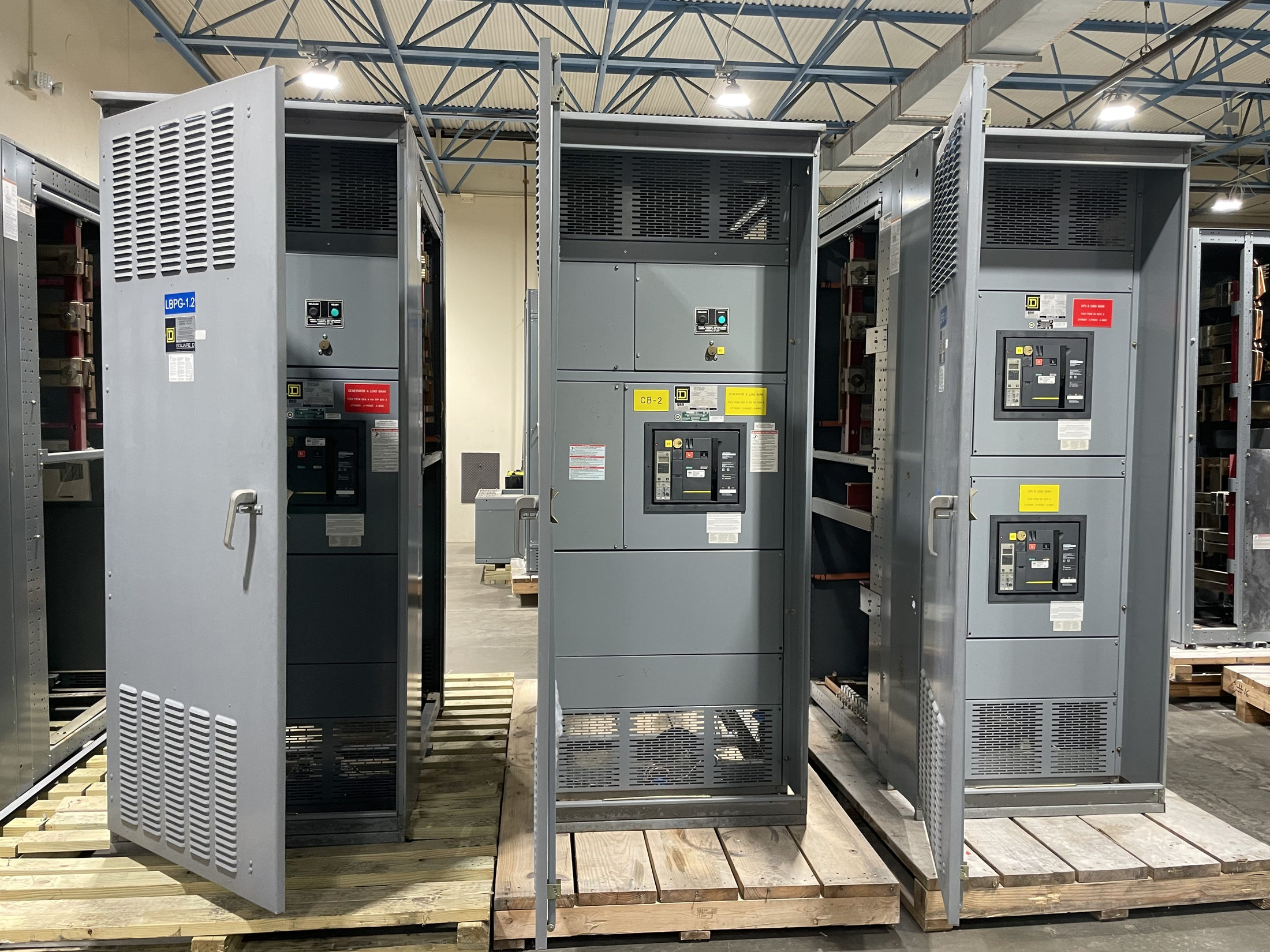
Build the Responsibility Matrix Before Ordering
An installation responsibility matrix makes clear who supplies information, makes design decisions, performs field work, and accepts each handoff for new switchgear. It is especially useful when the equipment supplier, electrical contractor, engineer, and owner are separate organizations. The matrix should track deliverables from early specification through delivery, installation, testing, and closeout—not simply assign one broad role to each party.
The owner typically identifies operational needs, site constraints, procurement requirements, and acceptance expectations. The engineer develops or reviews the electrical design and project specifications. The supplier uses approved project inputs to configure and document the equipment it is providing. The contractor plans site readiness, receiving, placement, connections, and field coordination within its contracted scope. Actual contractual responsibilities can differ, so the matrix must be checked against the project documents.
Define Design Inputs and Decision Authority
Before selecting switchgear, the owner and engineer should establish the intended system application, operating arrangement, loads, available fault-current information, future provisions, and site conditions. The engineer determines which design criteria apply and identifies required ratings and protective-device coordination. Voltage, current, short-circuit capability, enclosure, environmental conditions, and equipment type must be verified for the specific project; none should be treated as a universal product capability.
The supplier needs a complete, consistent specification and a clear route for resolving conflicts or missing data. Identify who may approve deviations, answer technical questions, and release drawings for manufacture. The owner should name decision-makers for functional or operational choices, while the engineer retains responsibility for design judgments within its scope. Record assumptions and open items rather than allowing an unreviewed assumption to become a purchase requirement.
Map Equipment and Site Interfaces
The matrix should show where supplier-furnished equipment ends and site work begins. Confirm the equipment configuration, shipping splits, connection points, conduit or bus interfaces, grounding provisions, cable-entry direction, and any required access or maintenance clearances against approved drawings and actual site conditions. The contractor can verify field dimensions and construction sequencing; the engineer should resolve electrical design questions; and the supplier should confirm the information needed to produce its equipment.
Also assign responsibility for foundations or supports, anchorage, incoming and outgoing conductors, control wiring, communications, labels, and integration with other systems. These items may involve different trades or vendors, so name the party responsible for each interface and the party who verifies completion. Do not assume that equipment supply includes installation, field modifications, or site services. Scope documents and purchase terms should state what is included and what remains with others.
Coordinate Submittals, Procurement, and Delivery
For procurement, the owner should align budget authorization, required dates, commercial terms, and internal approvals. The engineer reviews submittals for consistency with the design, while the supplier documents the proposed equipment and identifies questions that require resolution. Establish who consolidates comments, who issues final approval, and whether approval means design acceptance, authorization to proceed, or both. Schedule expectations and lead times should be confirmed for the specific project rather than assumed.
For switchgear delivery and handoff, assign responsibility for shipping coordination, receiving hours, unloading equipment, inspection for visible damage, storage conditions, and documenting exceptions. The contractor and owner should confirm site access, handling arrangements, and a suitable receiving location before dispatch. Clarify who communicates delivery changes and who controls equipment after receipt. A signed delivery record can document custody and condition, but it does not replace the required technical review or inspection procedures.
Set Installation, Testing, and Acceptance Boundaries
The contractor’s installation scope should identify who places and secures the equipment, completes field connections, verifies field wiring, and coordinates other trades. The engineer defines or reviews applicable design and acceptance requirements. The supplier should state what product documentation or factory test information is included for the specified assembly. Any field testing, commissioning, settings, or integrated-system checks must be assigned explicitly; responsibility depends on contracts and project requirements, not on an assumed supplier service.
Agree in advance on test procedures, prerequisites, witness roles, records, and the process for addressing discrepancies. Testing and energization require qualified personnel following approved project procedures and applicable safety requirements; this matrix is not authorization to work on energized equipment. Acceptance should identify who reviews test results, closes punch items, receives operating documents, and approves turnover. Applicable standards and any listing requirements depend on equipment design and project scope and should be verified by qualified professionals.
Close Open Items Before Release and Turnover
A practical next step is a responsibility workshop with the owner, engineer, contractor, and supplier before purchase release. Review the specification, site and interface drawings, delivery assumptions, submittal schedule, testing plan, and acceptance criteria line by line. For each item, record one accountable party, contributors, required evidence, and a due date. Flag unresolved information—such as fault-current data, access limits, connection details, or operating requirements—and identify who will provide it and by when.
Use the approved matrix as a controlled project record. Update it when scope, design, equipment configuration, or schedule changes, and route revisions to affected parties. Before delivery, verify that approved documents match the ordered equipment and that receiving and installation responsibilities are understood. At turnover, reconcile the matrix against completed records, test documentation, equipment documents, and remaining actions. This disciplined handoff helps prevent gaps without replacing the engineer’s review, contract requirements, or the owner’s acceptance process.
Project specification checklist
Use this checklist to organize the details for a project-specific review. Final ratings, applicable standards and equipment selections depend on the approved design.
| Item | What to confirm |
|---|---|
| Application and system data | Confirm intended use, operating arrangement, loads, system information, and design criteria with the owner and engineer. |
| Ratings and protective coordination | Have qualified project professionals establish and verify applicable voltage, current, fault-duty, and protection requirements. |
| Equipment and site interfaces | Document connection points, cable or bus entry, grounding, supports, clearances, and responsibility for each field interface. |
| Submittal and approval path | Name reviewers and decision-makers, define comment resolution, and distinguish design review from authorization to proceed. |
| Receiving and custody | Confirm delivery coordination, unloading, inspection, storage, damage reporting, and equipment custody responsibilities. |
| Testing and turnover | Assign test planning, witness and acceptance roles, records, discrepancy closure, and final document handoff. |