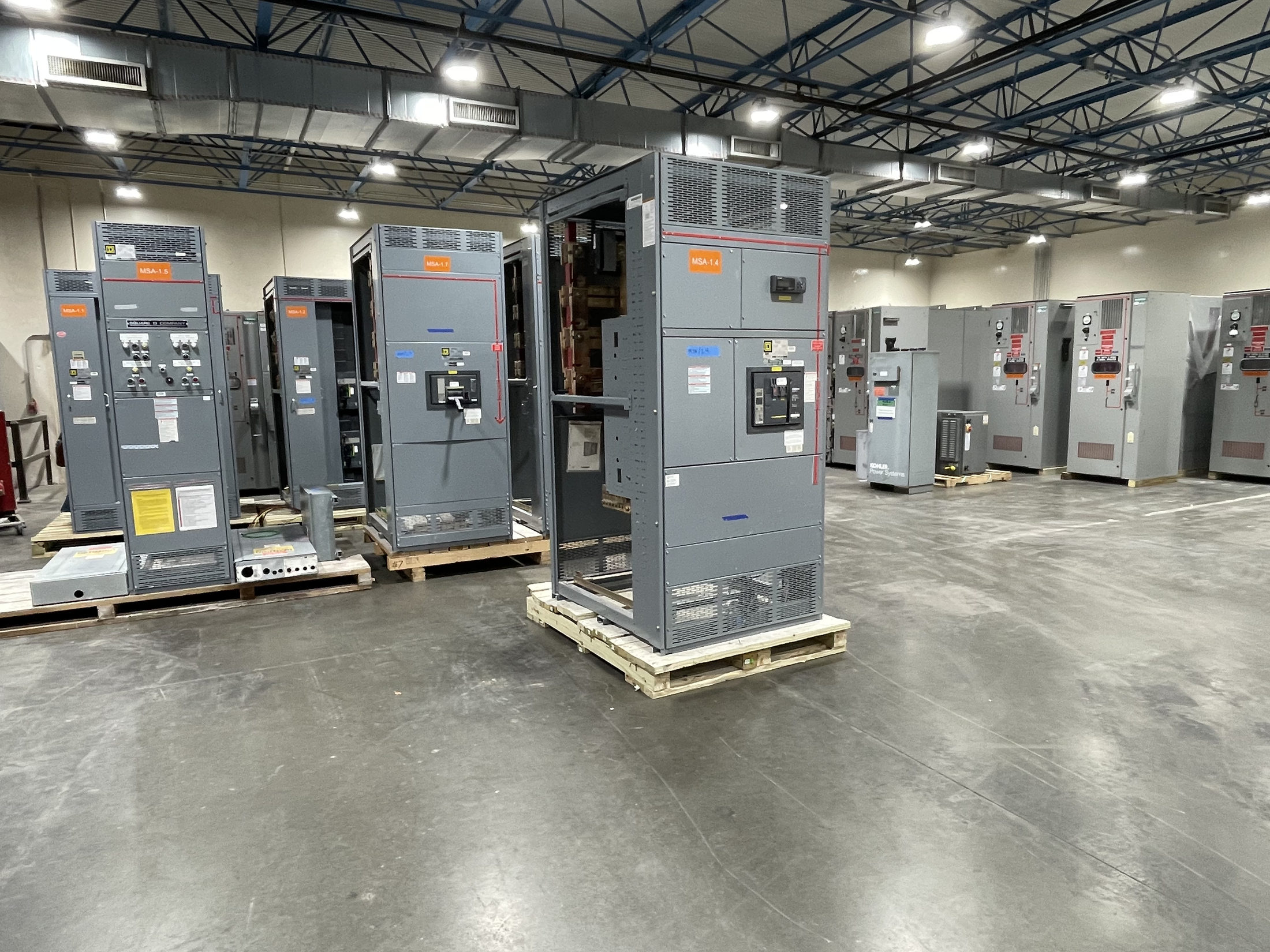
Plan the Handoff Before Release
Switchgear delivery and handoff is the transition from a completed equipment order to a coordinated receipt, inspection, and project turnover. For a new installation in Central Texas, define who will receive the shipment, where it can be staged, and which project records must accompany it before confirming procurement details. The intended site, access route, receiving hours, and construction schedule can affect transport and unloading arrangements; do not assume a particular truck, lifting method, or delivery date without project confirmation.
Identify the owner’s representative, electrical contractor, and other parties responsible for receiving and reviewing the equipment. Clarify who checks shipping documents, records visible damage, secures the equipment after arrival, and reports discrepancies. These responsibilities are separate from engineering approval and installation. A written handoff plan helps keep delivery decisions aligned with the project schedule while avoiding assumptions about site readiness or the manufacturer’s scope.
Match Equipment to the Project Design
Delivery planning starts with the correct equipment definition. Confirm the system voltage, service conditions, load and feeder arrangement, available fault current, protection approach, and space constraints through the project’s qualified electrical professionals. The required current capacity, short-circuit withstand or interrupting ratings, and enclosure construction depend on the application and must be evaluated for the actual design and installation environment. No single rating or enclosure is suitable by default.
The equipment type also matters: a switchboard, low-voltage switchgear, and medium-voltage equipment are not interchangeable descriptions. Applicable design standards and any requested listing depend on the specific assembly and project. UL 891 applies to suitable switchboard assemblies, not automatically to every switchgear product. Review one-line diagrams, specifications, and interface requirements before finalizing an order so the delivered configuration can be checked against approved project documents.
Define Custom Assembly and Interfaces
Custom assemblies can be built to specification, but project-specific choices need to be resolved early enough to support a clear submittal and production basis. Document lineup arrangement, breaker or switch functions, metering and control provisions, cable entry and termination needs, bus connections, and required accessories where applicable. Coordinate these choices with the electrical drawings and the equipment room layout. Changes to interfaces or configuration after approval may affect schedule and require renewed technical review.
Confirm responsibility for field connections and adjacent equipment interfaces, including control wiring, communications, grounding, and any transition sections. Provide relevant drawings and site constraints for review rather than relying on assumptions based on another installation. A manufacturer can assess the requested assembly against the supplied project requirements; qualified design professionals and the authority having jurisdiction remain responsible for determining suitability, code compliance, and acceptance for the installation.
Coordinate Schedule, Transport, and Receiving
Treat the expected lead time and delivery sequence as project-specific items to confirm with the manufacturer. Production timing depends on the approved scope and project conditions; do not schedule installation around an unconfirmed ship date. If the project has phased construction, restricted access, or a narrow receiving window, communicate those constraints when requesting a proposal and again as the schedule develops. Nationwide shipping is offered, while the transport plan and timing still need confirmation for the destination.
Before dispatch, make sure the site contact understands the agreed delivery scope and has checked access, unloading arrangements, staging space, and any limits on storage. Decide how the shipment will be protected from weather, impact, contamination, or unauthorized access after receipt, consistent with supplier documentation and site procedures. If the receiving location is not ready, raise the issue promptly with the project team and manufacturer to review practical options rather than assuming storage or redelivery terms.
Review Records and Testing Requirements
Agree on the documents needed for the project handoff, such as approved drawings, equipment identification, operating or maintenance information, and records specified by the contract. Verify that the delivered lineup and its labels correspond to the approved submittal and purchase scope. Resolve mismatches through the responsible project contacts before proceeding. Document review supports turnover, but it does not replace engineering evaluation, inspection, or approval required for the installation.
Testing and inspection responsibilities should be clear before equipment arrives. Identify any factory documentation or project-required inspections, who reviews them, and what field testing or commissioning is expected under the project plan. The manufacturer’s scope should be confirmed in writing; do not assume a particular test, field service, or commissioning activity is included. Testing, installation, and energization must follow applicable procedures and be directed by qualified personnel, with relevant authorities involved as required.
Make Receipt and Turnover Actionable
At receipt, compare shipment identification and visible condition with the shipping paperwork, photograph concerns, and notify the designated contacts promptly. Follow the supplied handling and storage instructions; do not open, move, or modify equipment in ways that could compromise its condition or safety. Record who accepted custody, where the equipment was placed, and any outstanding documentation or damage review. Keep the receiving record with the project file so the installation team can trace the handoff.
For a practical next step, assemble the one-line diagram, equipment specification, site delivery constraints, target schedule, and requested documentation list before requesting a project review. Ask which details remain open, what approvals are needed before release, and how schedule updates will be communicated. This gives the manufacturer a defined basis to discuss a new switchgear assembly and shipping coordination for a Central Texas site, while leaving ratings, compliance, and final acceptance to project-specific review by qualified professionals and relevant authorities.
Project specification checklist
Use this checklist to organize the details for a project-specific review. Final ratings, applicable standards and equipment selections depend on the approved design.
| Item | What to confirm |
|---|---|
| Receiving contact | Name the party authorized to accept delivery, inspect paperwork, document condition, and notify project stakeholders. |
| Site access and unloading | Confirm access route, receiving hours, staging location, unloading responsibility, and any site restrictions. |
| Equipment definition | Verify equipment type, electrical ratings, configuration, and interfaces against approved project documents. |
| Schedule basis | Confirm project-specific production and shipping expectations before coordinating installation or site receiving. |
| Handoff records | List required drawings, identification, operating information, inspection records, and turnover documents. |
| Testing and acceptance | Document who is responsible for factory records, field checks, commissioning, and approvals under the project scope. |