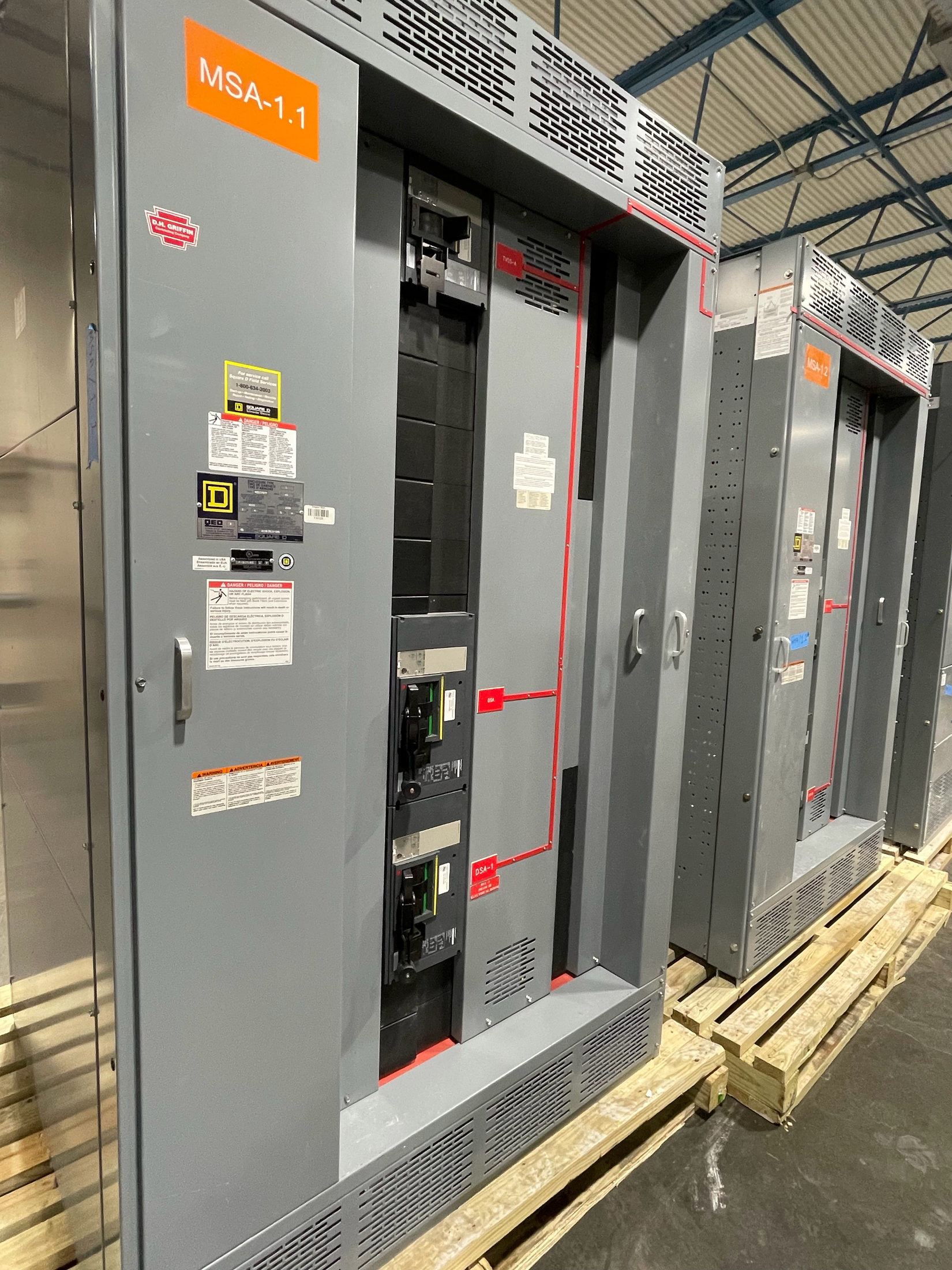
Plan the Delivery Before Equipment Ships
Switchgear shipping and receiving is part of project execution, not simply a freight appointment. A clear handoff plan helps protect new equipment and gives the receiving team the information needed to move it into the intended location without avoidable delays. Start by confirming the delivery address, receiving hours, site contact, access restrictions, and who has authority to accept the shipment. Identify whether the destination is a construction site, warehouse, or operating facility, since each may have different access and security procedures.
Agree on the requested delivery window and how schedule changes will be communicated. Confirm which party arranges transportation, unloading, and any onward movement from the receiving point. Do not assume that delivery includes lifting, placement, or installation. These responsibilities should be explicit in procurement documents and coordinated with the project’s qualified electrical and logistics personnel.
Match Packaging to the Equipment and Route
Packaging decisions depend on the assembly configuration, dimensions, weight, shipping route, handling method, and exposure expected during transit and temporary storage. Before production and shipment planning are finalized, review the shipping arrangement for each section or group of sections, including how items will be identified and kept together. The manufacturer and project team should confirm packaging expectations rather than assume a particular crate, skid, weather barrier, or transport orientation is included.
Consider the full route from carrier vehicle to the final staging area. Doorways, corridors, turning space, floor capacity, and available lifting access may affect how the shipment should be divided or handled. Any project-specific requirements for protection from moisture, dust, impact, or extended storage should be raised early. Packaging can reduce transit exposure, but it does not replace suitable site storage or careful handling after receipt.
Coordinate Unloading and Movement
Unloading requires a named plan and qualified personnel using equipment appropriate to the shipment and site conditions. Confirm who supplies the lifting equipment, who directs the operation, and whether a carrier appointment includes waiting-time or access constraints. Before dispatch, the receiving team should have shipment identification and available handling information, including any marked lifting points or orientation indicators. Do not infer safe lifting methods from appearance or attempt movement without reviewing the applicable instructions.
Coordinate the route from the vehicle to the designated staging or installation area, including access control and separation from other work. Verify that the planned path and temporary storage location are suitable for the equipment’s actual dimensions and weight; these must be confirmed for the specific assembly. If sections are transported separately, establish how they will be tracked and sequenced for later assembly or placement. Resolve discrepancies between site access and the shipping plan before the delivery date.
Inspect for Damage at Receipt
At arrival, compare the shipment identification and package count with the shipping documents before signing for receipt. Inspect visible packaging for punctures, crushed corners, water exposure, broken bands, shifted loads, or signs of impact. Photograph the shipment and any concerns before unpacking, and record the date, time, carrier, and condition of each affected package. If damage or a shortage is apparent, note it specifically on the carrier’s delivery record and follow the applicable claim and notification procedures promptly.
After unpacking, inspect accessible surfaces and components for evidence of transit damage, loose parts, or moisture. Keep protective materials and document labels until the inspection is complete, where practical. Do not energize or install equipment with suspected damage; preserve the condition and request direction through the project’s established manufacturer and claims contacts. A receiving inspection is not a substitute for design review, installation checks, or any tests required by the project.
Maintain Records Through the Handoff
A useful receiving file connects each delivered section to its project documentation. Retain the packing list, bill of lading, delivery receipt, photographs, damage or shortage notes, and any correspondence about disposition. Record identifying information shown on the equipment and compare it with approved project documents, while avoiding assumptions that a package label alone confirms configuration or acceptance. Share discrepancies with the project manager and responsible electrical professionals before equipment is moved, modified, or incorporated into the installation.
Document where equipment is staged, who accepted it, and any storage or preservation actions taken after delivery. Track open items to a named owner and keep records of resolution, replacement parts, or other agreed actions. This creates a practical chain of custody between transportation, receiving, installation, and commissioning teams. The required records and retention approach should be set by the project’s contract, quality plan, and applicable requirements.
Confirm Interfaces and Close the Delivery Plan
Before ordering, align shipping details with the equipment specification and site plan. Confirm the approved configuration, section arrangement, dimensions, estimated shipping weights when available, connection interfaces, and any project-specific packaging or documentation requirements. The equipment design and applicable standards depend on the project; do not treat a general product description or UL 891 reference as confirmation that a particular assembly is suitable or listed. Qualified electrical professionals and relevant authorities should review the design and installation requirements.
For a complete switchgear delivery and handoff, assign owners for dispatch coordination, receiving, unloading, inspection, claims, and transfer to installation. Set a process for schedule updates and define what constitutes acceptance when damage or missing items are found. Provide the manufacturer with the project’s shipping destination, access constraints, receiving contact, requested timing, and documentation needs early enough for review. Confirm final arrangements directly before shipment, since lead time and logistics depend on the specific project.
Project specification checklist
Use this checklist to organize the details for a project-specific review. Final ratings, applicable standards and equipment selections depend on the approved design.
| Item | What to confirm |
|---|---|
| Delivery destination and access | Confirm exact receiving location, access hours, vehicle restrictions, route, and site contact. |
| Shipment identification | Agree how packages and equipment sections will be labeled and matched to the packing list and project documents. |
| Unloading responsibility | Identify who supplies qualified personnel and suitable lifting equipment, and who directs unloading. |
| Packaging and storage | Confirm project-specific transit protection, handling instructions, staging location, and temporary storage needs. |
| Receipt inspection and records | Define package-count checks, damage documentation, carrier notations, notification steps, and record retention. |