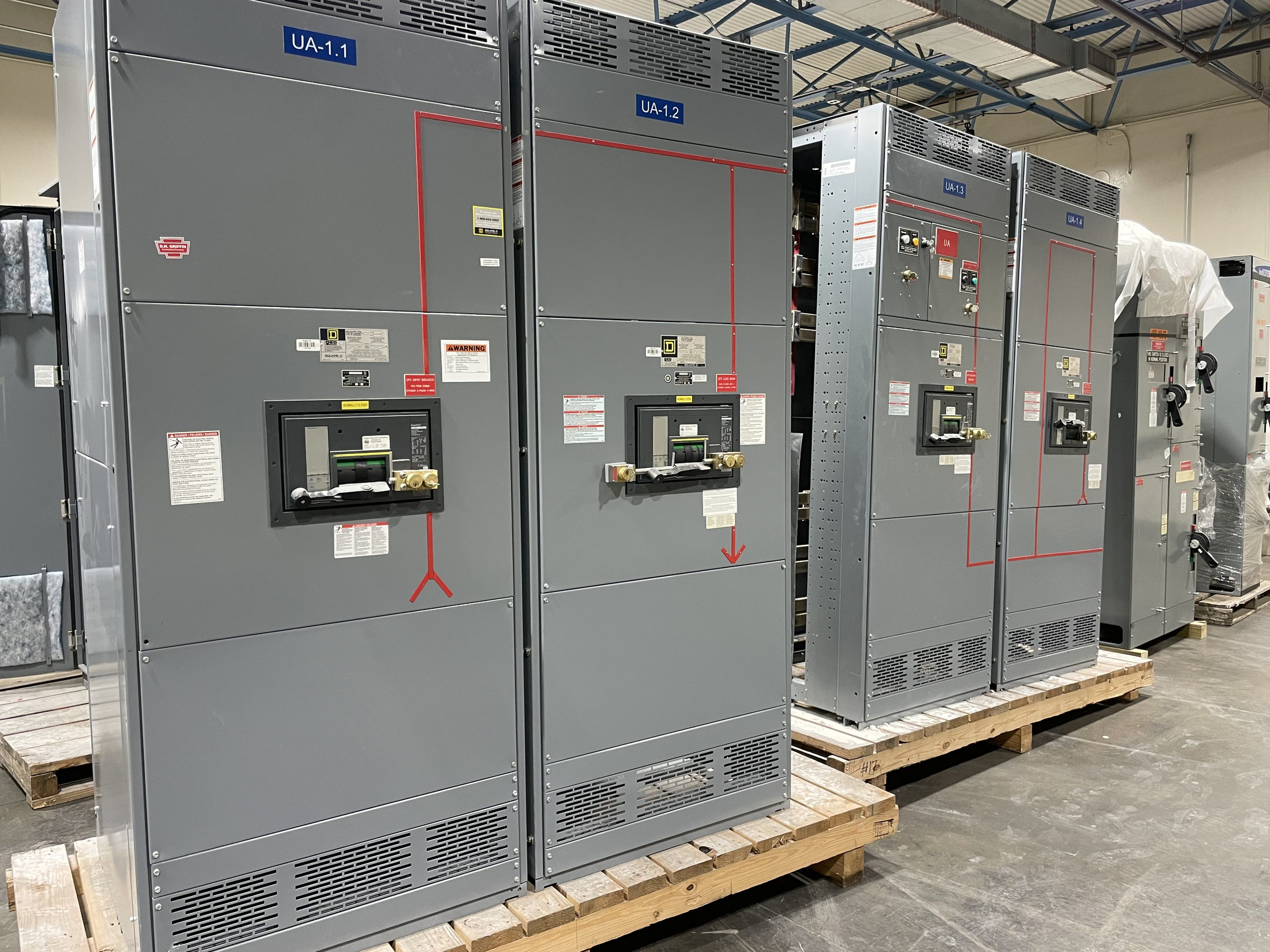
Why approval drawings are a purchasing hold point
In the switchgear purchasing process, approval drawings translate the project specification into a coordinated design that can be reviewed before manufacture begins. They are not simply a visual confirmation: they give the owner, engineer, contractor, and equipment supplier an opportunity to identify omissions or mismatched assumptions while changes are still practical. A clearly defined hold point establishes that production must not proceed until the designated reviewers have responded and required comments are resolved.
For new switchgear, the review should confirm that the proposed arrangement serves the intended application and aligns with contract documents. Approval does not transfer design responsibility automatically, nor does it replace qualified engineering review, code checks, or approval by relevant authorities. Establishing who reviews what—and what constitutes release—helps protect schedule and reduce avoidable redesign.
Assemble complete project inputs before review
Drawing quality depends on the information available when the design is prepared. Provide the current one-line diagram, equipment specifications, load and feeder schedules, available fault-current information, system grounding and voltage requirements, and the project’s applicable codes and standards. Identify the installation environment and required enclosure conditions, but have qualified professionals verify suitability for the actual location and application. Rating selections must be confirmed against the project, not inferred from a typical drawing or past installation.
Include site layout constraints, access and removal paths, conduit or cable entry expectations, and any dimensional limits that affect the lineup. Share control schematics, communications requirements, metering needs, and protection-device preferences where applicable. Mark which documents are issued for information and which govern design. If information is incomplete or conflicting, record the open item and responsible party rather than allowing an unverified assumption to become a manufacturing detail.
Review interfaces, not just the switchgear outline
A useful review checks how the assembly connects to the rest of the electrical system. Compare bus and feeder arrangements with the one-line diagram, verify circuit identification and device functions, and coordinate incoming and outgoing terminations with the cable plan. Confirm interfaces with transformers, generators, transfer equipment, protective relays, control power, and building or plant systems when these are part of the project. Each interface may depend on information owned by a different design team, so document the source and status of that information.
Also examine physical coordination: lineup orientation, section sequence, working and service clearances, anchorage assumptions, and locations of cable entry and control wiring. Do not treat an outline dimension as proof that the equipment fits the electrical room or that access is adequate. Resolve conflicts with architectural, structural, mechanical, and other electrical drawings through the project’s established coordination process before release.
Make project-specific design decisions explicit
Approval drawings should expose decisions that affect function, safety, and procurement. Review the specified system voltage, continuous-current and interrupting requirements, bus configuration, protective-device functions, metering, control circuits, and enclosure requirements against the engineered application. No rating or enclosure is universally suitable; selections require project verification. Applicable standards and any requested listing depend on equipment type and design. UL 891 applies to suitable switchboard assemblies where applicable, not automatically to every switchgear product.
Identify options and exceptions in writing, including approved substitutions, spare provisions, future extensions, special labeling, and customer-furnished components. Confirm who supplies interface devices and wiring, and whether the drawings reflect the latest specification revision. A comment such as “approved as noted” should identify each change clearly. If a comment changes a requirement, capture its disposition in the drawing revision or another controlled project record so procurement and production are working from the same approved basis.
Close review comments and define release for manufacture
Before release, consolidate comments from all required reviewers and distinguish corrections from requests that alter scope, cost, or schedule. The supplier should return revised documents or written dispositions for review as agreed in the project process. Check revision identifiers, drawing dates, equipment tags, and cross-references to ensure the final set is internally consistent. Confirm that unresolved questions have an owner and a due date; a silent or partial response should not be mistaken for acceptance of a critical design assumption.
The release record should state which revision is authorized for manufacture, who provided authorization, and whether any exceptions remain. Changes requested after release may require engineering review and can affect procurement or lead time. Keep the approved drawings, specifications, comment log, and change notices together under document control. This makes the release traceable and helps later reviewers distinguish the manufactured basis from superseded or informational documents.
Coordinate testing and prepare the next procurement steps
Before authorizing release, confirm how drawing decisions connect to inspection and testing requirements. Identify any project-specified factory tests, witness points, test documentation, and the parties responsible for attendance or review; the applicable scope depends on the equipment and contract. Drawings should show the intended devices, wiring, labels, and interfaces needed to support those requirements. Testing does not replace the project’s field verification or the review of installation conditions by qualified professionals.
A practical next step is to issue a single coordinated comment package, confirm the approval authority, and request a revised drawing set with a clear release status. For custom new switchgear, provide complete, current inputs early and flag decisions that depend on other suppliers or disciplines. Ask the manufacturer to identify missing information and the schedule effect of outstanding approvals. With the manufacturing basis documented, the project team can track procurement against a specific design rather than an informal exchange of markups.
Project specification checklist
Use this checklist to organize the details for a project-specific review. Final ratings, applicable standards and equipment selections depend on the approved design.
| Item | What to confirm |
|---|---|
| Governing design documents | Confirm current one-line diagrams, equipment specifications, schedules, and document revisions. |
| Ratings and application | Verify voltage, current, interrupting requirements, and grounding for the engineered project. |
| Physical and system interfaces | Coordinate terminations, cable entry, lineup layout, controls, and connected equipment. |
| Standards and listing | Identify requirements applicable to the specific equipment design; verify suitability rather than assume. |
| Comment closure | Assign reviewers and owners, resolve open items, and document approved deviations. |
| Manufacturing release | Record the authorized drawing revision, approval authority, and any remaining exceptions. |