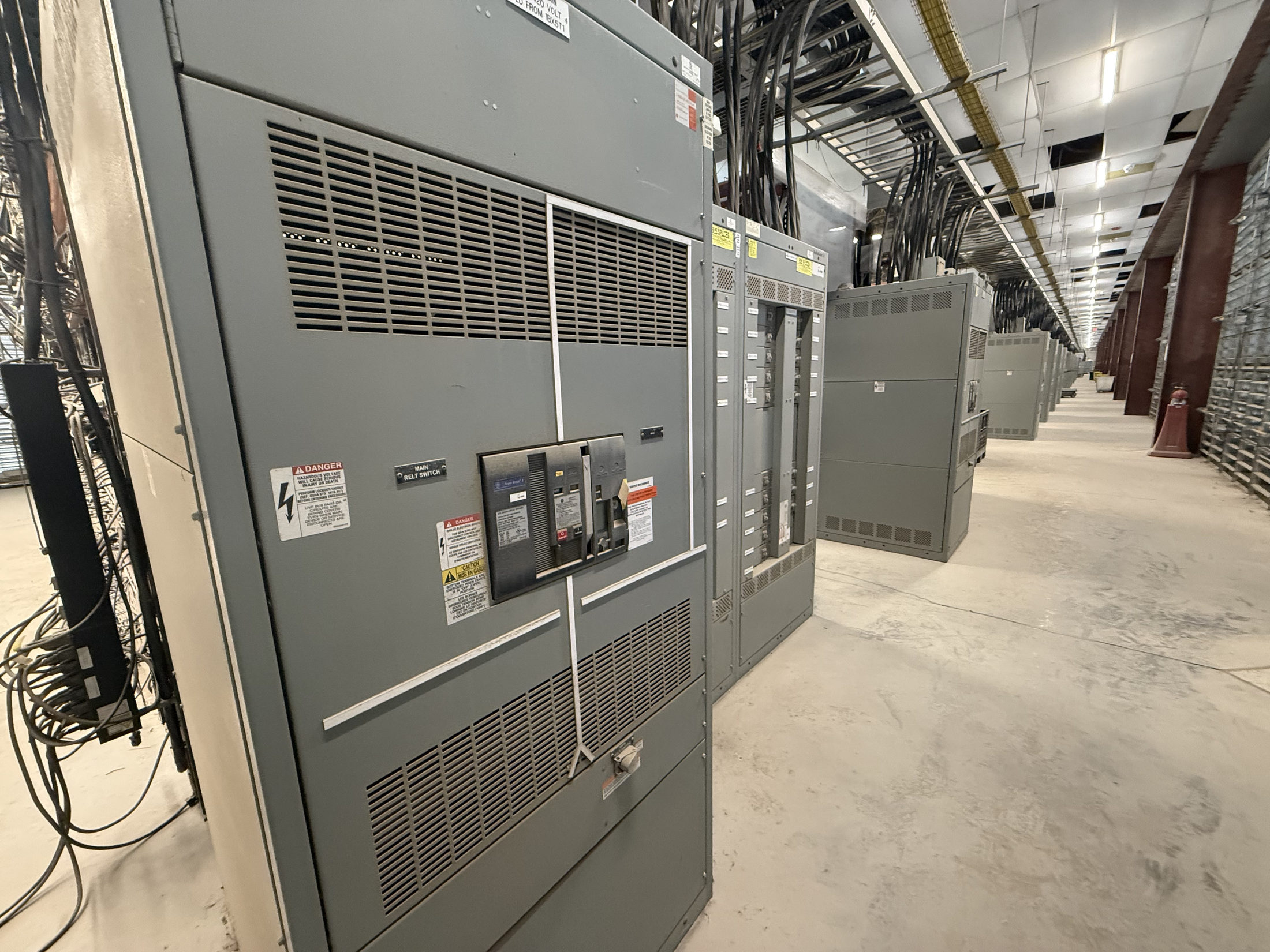
Start with the records your maintenance team will need
For a new switchgear project, maintenance planning begins with a clear record of what is being supplied, how it connects to the facility, and which project decisions affect safe operation. Drawings, equipment manuals, and settings records each serve a different purpose: drawings explain arrangement and interfaces, manuals describe equipment-specific operation and care, and settings documents capture approved protective-device configuration. Together, they help qualified personnel prepare installation, commissioning, inspection, and troubleshooting activities without relying on assumptions.
The exact document package depends on equipment type, project scope, selected components, and applicable requirements. Confirm required formats, review stages, and final-record expectations with the manufacturer, electrical engineer, installer, commissioning team, and facility owner. No document replaces project-specific review by qualified electrical professionals or applicable authorities.
Use drawings to define layout and electrical interfaces
Review the drawings needed to coordinate the new equipment with the building and connected systems. Depending on the project, useful records may include a one-line diagram, arrangement or elevation drawings, connection details, and control or wiring diagrams. These help the team check feeder identification, incoming and outgoing connections, metering or control interfaces, physical clearances, conduit entry assumptions, and the relationship to upstream and downstream equipment.
Before design is finalized, provide accurate project inputs such as system information, load and feeder schedules, available space, access constraints, environmental conditions, and interface requirements. Identify who owns each connection and who will verify field dimensions. Drawing scope and level of detail should be agreed for the specific assembly; do not assume every drawing type applies to every project. Resolve discrepancies among drawings and site conditions before installation planning proceeds.
Treat manuals as equipment-specific maintenance guidance
Ask for manuals that match the equipment and components actually specified, rather than relying on generic switchgear literature. Relevant information may cover identification, handling and storage, installation prerequisites, normal operation, inspection intervals or tasks, cleaning considerations, and component-specific maintenance instructions. The manual should make clear which sections apply to the delivered configuration and where separate component documentation is needed.
Maintenance procedures must be followed within the equipment’s design and the facility’s safety program. A manual is not authorization to work on energized equipment, nor does it establish that a particular procedure is suitable for every site condition. The owner should identify who will retain controlled copies, train personnel as needed, and update records when approved changes occur. Confirm document language, format, and delivery timing during procurement so the package can support turnover and future planning.
Keep settings records tied to approved protection decisions
Settings records are especially important when the assembly includes protective devices with project-configured parameters. Coordinate the required record format with the electrical engineer and commissioning team, and identify the source of approved settings, device identifiers, relevant circuit or feeder names, and the revision or approval status. Where applicable, record the final configuration established during project testing, along with any documented changes from the design basis.
Do not infer settings from equipment labels, prior installations, or example values in a manual. Protection depends on the system, connected loads, coordination study or other engineering decisions, and device characteristics. The responsible qualified professionals must review the settings and determine how they are verified and controlled. Keep records aligned with device references on drawings and with the delivered component configuration; unresolved differences should be addressed before the facility treats the settings package as its maintenance baseline.
Coordinate documents with design review and testing
A useful document package is developed through project coordination, not assembled as an afterthought. Establish which drawings are preliminary, which require approval, and what revisions will be issued for construction or final records. Coordinate interfaces among the switchgear, protective devices, metering, control wiring, external sources, and facility systems as applicable. Identify required submittals and the parties responsible for reviewing each item, including any authority review required for the project.
Testing and commissioning records should correspond to the approved design and actual delivered configuration. Confirm in advance what checks, results, or settings verification records are expected and who will produce and review them; the applicable scope depends on the project and equipment. If revisions arise during manufacture, installation, or commissioning, define how they will be documented and distributed. This revision discipline helps maintenance personnel distinguish current records from superseded drawings or settings.
Build a practical turnover checklist before procurement
Before ordering new switchgear, give the manufacturer and project team the latest one-line diagram, equipment and feeder schedules, interface requirements, site constraints, and any specified document deliverables. Ask which drawings and component manuals are included for the proposed configuration, what review information is needed, and how settings records will be coordinated with the responsible engineer. Confirm naming conventions, file formats, revision control, and the timing of preliminary and final documents.
At turnover, check that delivered records identify the equipment and match the final approved configuration. Gather current drawings, applicable manuals, approved settings information, and relevant testing or commissioning records in a controlled location accessible to authorized facility personnel. Assign an owner for future updates after approved equipment or protection changes. This straightforward process gives maintenance teams a dependable starting point while leaving technical acceptance, operating procedures, and maintenance decisions with the qualified professionals responsible for the installation.
Project specification checklist
Use this checklist to organize the details for a project-specific review. Final ratings, applicable standards and equipment selections depend on the approved design.
| Item | What to confirm |
|---|---|
| Drawing inputs | Confirm current one-line diagrams, feeder schedules, site dimensions, access conditions, and connection responsibilities. |
| Manual scope | Verify documentation matches the specified assembly and its selected components; identify any separate component manuals. |
| Settings authority | Identify the qualified professional responsible for approved settings, review, verification, and revision control. |
| Interfaces and reviews | Define connected-system interfaces, submittal reviewers, approval stages, and any applicable authority review. |
| Turnover records | Agree on file formats, equipment identification, final revisions, testing records, and controlled document storage. |