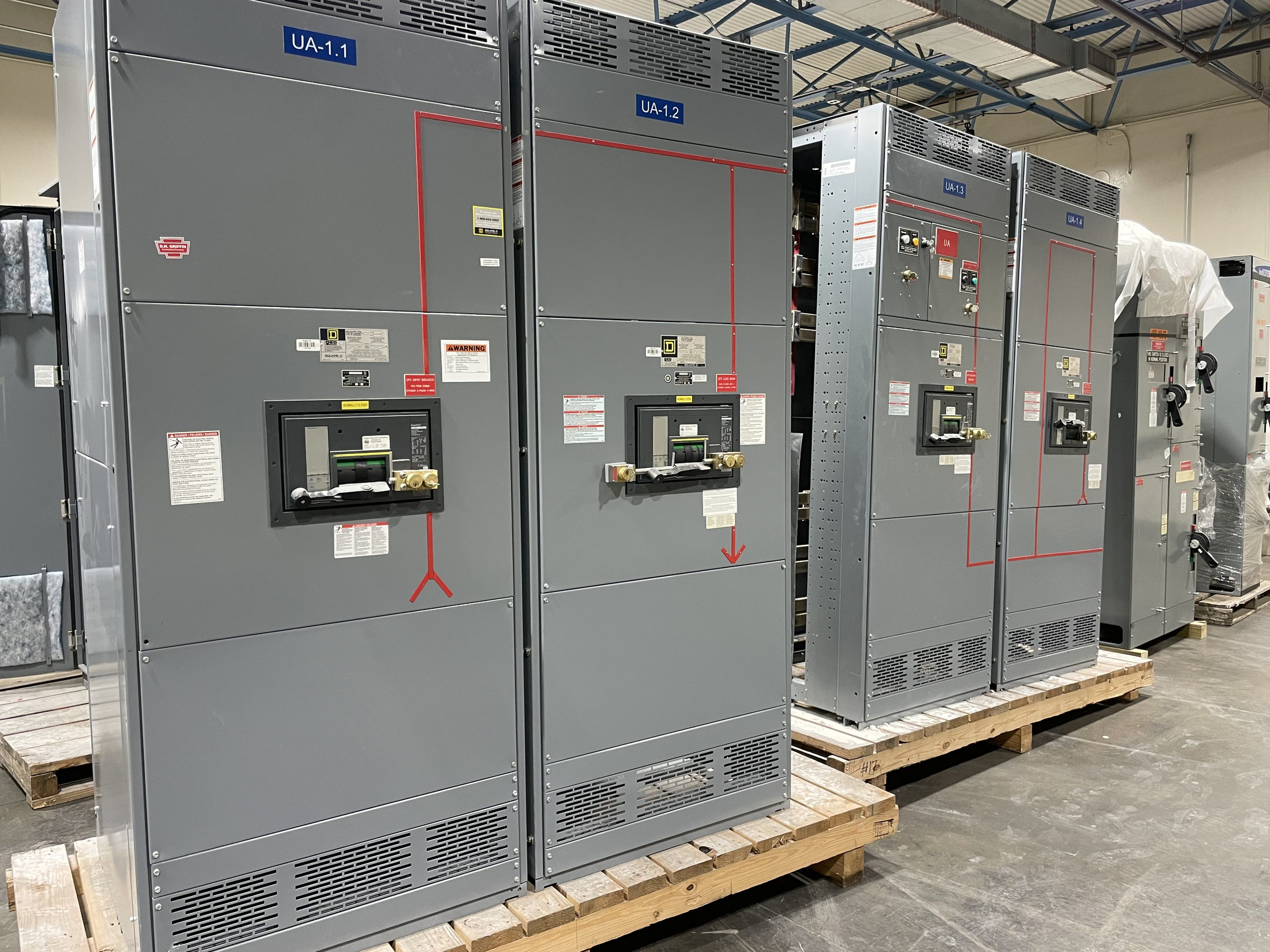
Are Site Visits or Field Services Guaranteed?
No. A site visit or field service is not guaranteed merely because a customer is procuring new switchgear. Whether either is available depends on the project, requested activity, timing, location, and the manufacturer’s confirmed scope. Customers in Central Texas should ask about any desired field involvement early, before treating it as part of the equipment order or schedule. A site visit, technical meeting, or field task may require separate review and written agreement.
Clarifying this point helps prevent gaps between equipment supply and work expected at the jobsite. The customer, electrical contractor, engineer, and other project participants should identify who will perform each activity and who has authority to approve it. Equipment design and supply do not, by themselves, establish responsibility for installation, commissioning, or work on site.
Describe the Requested Visit and Its Purpose
Start by stating what the visit is meant to accomplish. Possible requests include reviewing access and delivery constraints, discussing equipment interfaces, observing a defined installation milestone, or addressing a question about the supplied assembly. These are different scopes, and a request to attend a site does not establish that the manufacturer can perform every associated task. Provide the site location, preferred dates, project stage, reason for attendance, and the decisions or deliverables expected.
For a Central Texas project, identify the site’s access procedures, orientation or safety requirements, escort rules, work-hour limits, and any restrictions on photography or document handling. Confirm whether the visit is informational or includes a specific technical activity. Do not assume that a visit includes design changes, installation direction, troubleshooting, testing, or acceptance of work. The agreed purpose should be recorded so all parties share the same expectations.
Provide Inputs Needed for Technical Review
A useful service discussion begins with the equipment application and current project documents. Share the applicable one-line diagram, equipment specifications, approved submittals, layout and access information, interface details, and relevant schedule milestones. Identify the equipment being discussed and whether the design is still under review, released for manufacture, or already delivered. Explain any known changes or site conditions that could affect fit, connections, access, or the requested activity.
Electrical professionals should verify the system conditions and selection requirements, including operating voltage, continuous current, available fault current, protection and coordination requirements, enclosure needs, environmental conditions, and applicable codes or standards. These are project-specific inputs, not universal equipment capabilities. The appropriate design and standards depend on the application and assembly. Qualified professionals and relevant authorities must review the project; a field visit does not replace that review or establish that an equipment rating is suitable.
Define Interfaces, Responsibilities, and Limits
Before confirming field involvement, map the boundaries between the manufacturer and the project team. Identify who is responsible for site readiness, receiving and handling equipment, installation, conductor and control connections, grounding, protective settings, permits, safety procedures, and coordination with other trades. Responsibility for each item should be assigned expressly rather than inferred from a visit or a technical conversation.
Also clarify what information or action is expected from each participant. The manufacturer may need an authorized project contact, current drawings, equipment identification, and access to the relevant work area; the customer and contractor may need to provide safe access and qualified personnel. Confirm whether the request concerns supplied new switchgear or another system interface. Any limits on advice, scope, documentation, or follow-up should be settled in writing, with changes routed through the project’s approval process.
Agree on Testing, Schedule, and Procurement
Testing and commissioning require particular care in defining scope. Ask what test is proposed, who will prepare and operate the equipment, what instruments and procedures are required, and who will document and interpret results. Confirm whether the requested work is a factory activity, a field activity, or a task assigned to another qualified party. Do not assume that equipment procurement includes field testing, energization, commissioning, or acceptance testing.
Availability and timing must be confirmed for the specific project; do not build an unconfirmed visit into a critical-path schedule. Discuss the requested dates, site readiness, equipment delivery status, prerequisites, and any decision deadlines that could affect the new equipment order. If the project includes a UL 891 switchboard assembly, confirm whether that standard applies to the proposed assembly; it does not automatically apply to other equipment. Applicable standards and any listing depend on the design and project.
Confirm the Arrangement Before Scheduling
For a practical next step, send a written request that names the project, site location, equipment, desired activity, requested dates, purpose, and expected outcome. Attach the latest relevant drawings and specifications, note unresolved design questions, and identify the customer’s project contact and the parties responsible for site access and work. Ask for written confirmation of availability, scope, exclusions, prerequisites, schedule, and any applicable commercial terms before arranging access or relying on attendance.
If a visit cannot be confirmed, ask which project questions can be addressed through document review or a scheduled technical discussion, and who should resolve items outside the equipment supplier’s scope. Keep the approved equipment requirements, field responsibilities, and schedule aligned as the project changes. A clear record gives the Central Texas customer and project team a basis for coordinating new switchgear procurement without assuming field support, ratings, testing, or services that have not been specifically verified.
Project specification checklist
Use this checklist to organize the details for a project-specific review. Final ratings, applicable standards and equipment selections depend on the approved design.
| Item | What to confirm |
|---|---|
| Requested activity | State the visit’s purpose, tasks, expected outcome, and any requested documentation. |
| Project information | Provide current specifications, drawings, equipment identification, site conditions, and schedule milestones. |
| Availability and timing | Obtain project-specific written confirmation of dates, prerequisites, and schedule constraints. |
| Responsibilities and interfaces | Assign site access, safety, installation, connections, testing, approvals, and follow-up to named project parties. |
| Technical and standards review | Have qualified professionals verify ratings, application requirements, and standards applicable to the proposed design. |