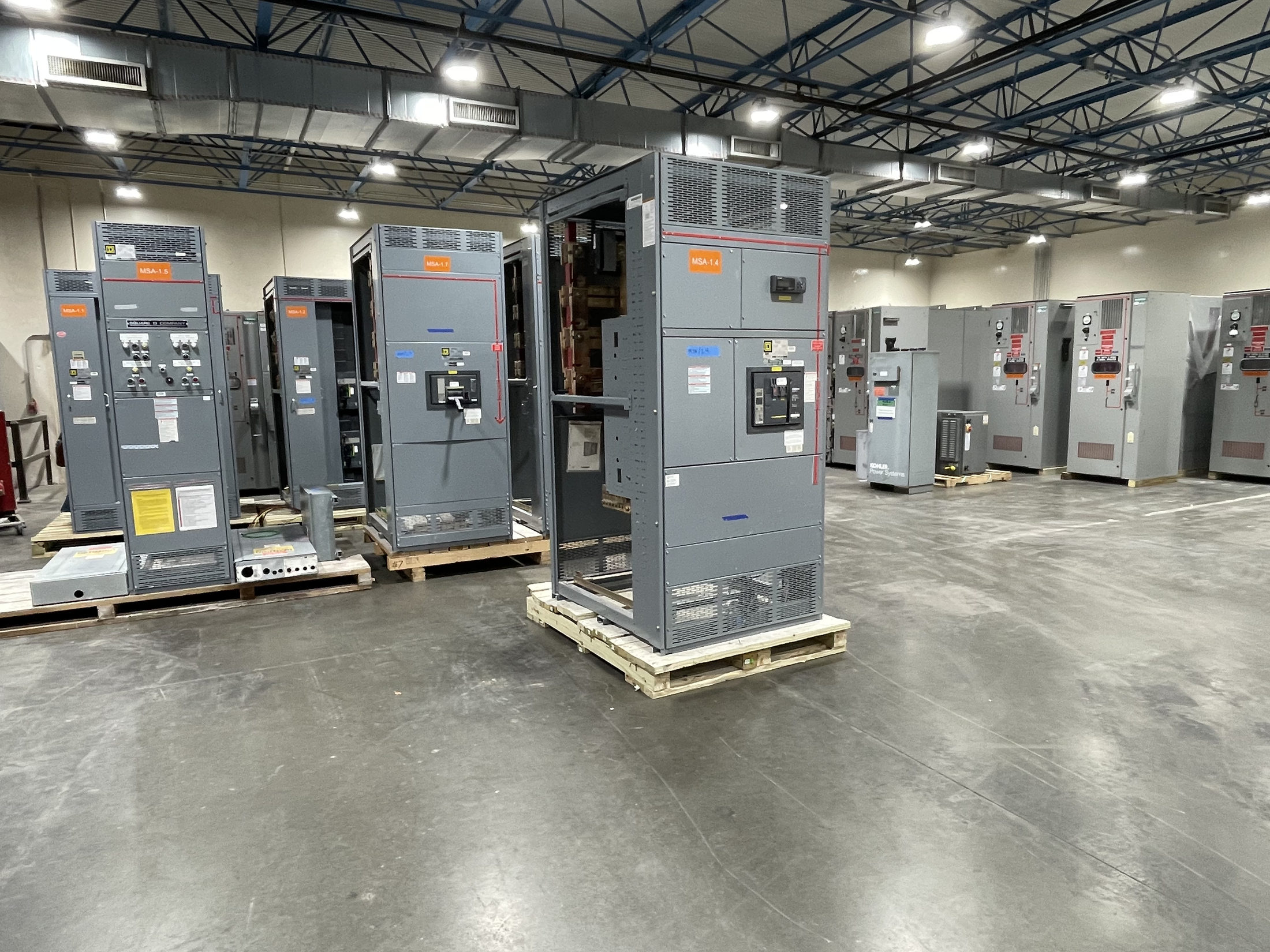
Start With the Exact Delivery Destination
A useful local delivery plan begins with the point where the new switchgear must be received, not merely the project’s mailing address. Identify the facility, building, designated receiving area, and the party authorized to accept the shipment. If a site has multiple entrances, construction phases, or delivery points, specify which one applies and how the driver should identify it. Confirm the destination with the project team before equipment is released for shipment, and share updates if the site address or receiving location changes.
For Central Texas projects, distinguish the delivery destination from the final equipment location inside the facility. The intended room, floor, or electrical area can affect the route and handling plan, even if the shipment is first received elsewhere. Clear destination details help the manufacturer and customer coordinate shipment timing and reduce avoidable confusion at arrival.
Describe the Route and Site Access
Access details help determine whether the planned delivery approach is practical. Provide the route from the public road to the receiving point, including gate instructions, check-in requirements, restricted hours, road or driveway limitations, and any controlled-access procedures. Note relevant constraints such as overhead obstructions, tight turns, slopes, surface conditions, or limited staging space. These are project inputs, not assumptions about what a particular vehicle or shipment can accommodate.
The customer’s site representative should verify current conditions and identify who can resolve access questions on delivery day. For construction sites, clarify whether the route will remain open and suitable when the shipment arrives, and whether other trades or scheduled work could block it. Share photographs, marked plans, or dimensions when useful, then have the delivery approach reviewed with the parties responsible for transportation and site logistics.
Agree on Unloading Responsibilities
Before scheduling shipment, identify who is responsible for unloading the new switchgear and what equipment or personnel the site will provide. Do not assume that delivery includes a crane, forklift, rigging crew, placement into the electrical room, or other site services. Confirm the intended unloading location, available handling resources, access for those resources, and who has authority to direct the work. Any lifting or handling plan should be suitable for the actual equipment configuration and approved by qualified personnel.
The equipment’s shipping arrangement, dimensions, weight, and handling instructions must be confirmed for the specific order rather than inferred from a general product description. Coordinate those details with the manufacturer and the parties planning transportation and unloading. If the site cannot safely receive the shipment as planned, resolve the issue before dispatch by agreeing on a feasible location and responsibility split.
Make Receiving and Inspection Clear
Name the receiving contact, provide current contact and check-in instructions through the appropriate project channels, and confirm when someone will be available to accept the shipment. Establish the receiving hours, appointment or notice requirements, and the process for delays or arrival outside the planned window. The person accepting delivery should know where to direct the driver and whom to contact if the designated area is unavailable.
Agree in advance on how the shipment will be checked and how any visible damage, shortage, or discrepancy will be documented and reported. Receiving personnel should follow the applicable shipping and project procedures, retain relevant records, and promptly notify the designated project contacts. Clarify whether equipment can be stored at the receiving point and who is responsible for protecting it until it can be moved to its planned location.
Coordinate Delivery With Equipment and Site Readiness
A delivery date is useful only when the destination and receiving area are ready for the specific assembly. Coordinate the planned arrival with the project schedule, access availability, unloading resources, and the team responsible for setting equipment in place. Confirm the final equipment configuration and project documents early enough to identify handling or access constraints. Switchgear selection, ratings, construction, and applicable standards depend on the application and require project-specific review by qualified electrical professionals and relevant authorities.
Where factory testing, customer review, or shipment documentation is part of the project, identify the required activities, participants, and timing during procurement coordination. Do not treat testing, certification, or a particular standard as automatically applicable to every assembly. Confirm requirements against the specified design and governing project documents. Delivery coordination supports a planned handoff; it does not replace electrical installation, inspection, or acceptance responsibilities.
Confirm the Plan Before Procurement and Dispatch
When requesting a quote for new switchgear, provide the project location, equipment application, current specifications, delivery destination, known route constraints, unloading plan, receiving contact, and target schedule. Identify who will approve changes and who will coordinate questions among the customer, manufacturer, carrier, and site team. The manufacturer builds in the USA using all-American components, offers custom assemblies to specification, and can ship nationwide; lead time depends on the project and should be confirmed with the order details.
Before dispatch, reconfirm the delivery point, site access, receiving availability, unloading responsibility, and any changes to the equipment or project schedule. Put agreed responsibilities and unresolved questions in writing so each party knows the next action. If access, safe unloading, or receiving readiness cannot be confirmed, coordinate a revised plan before shipment rather than relying on assumptions at the gate.
Project specification checklist
Use this checklist to organize the details for a project-specific review. Final ratings, applicable standards and equipment selections depend on the approved design.
| Item | What to confirm |
|---|---|
| Destination | Confirm the exact facility, delivery point, final equipment location, and authorized receiving party. |
| Access route | Document gate procedures, delivery hours, route constraints, and current site conditions for review. |
| Unloading | Assign responsibility and confirm the handling resources and location appropriate to the ordered equipment. |
| Receiving | Identify the contact, appointment process, inspection and discrepancy reporting steps, and temporary storage responsibility. |
| Project coordination | Confirm specifications, schedule, required reviews, applicable standards, and delivery responsibilities before dispatch. |