Requesting New Switchgear Information from Waco
Customers in Waco can request information about new switchgear by describing the project and the equipment they are considering. A useful first note explains whether the need involves a new facility, an expansion, a replacement, or a planned electrical upgrade. Identify the equipment’s role in the distribution system, such as serving a main service, a feeder group, or a particular building area. These details help frame the discussion without assuming a product type or rating before the application is reviewed.
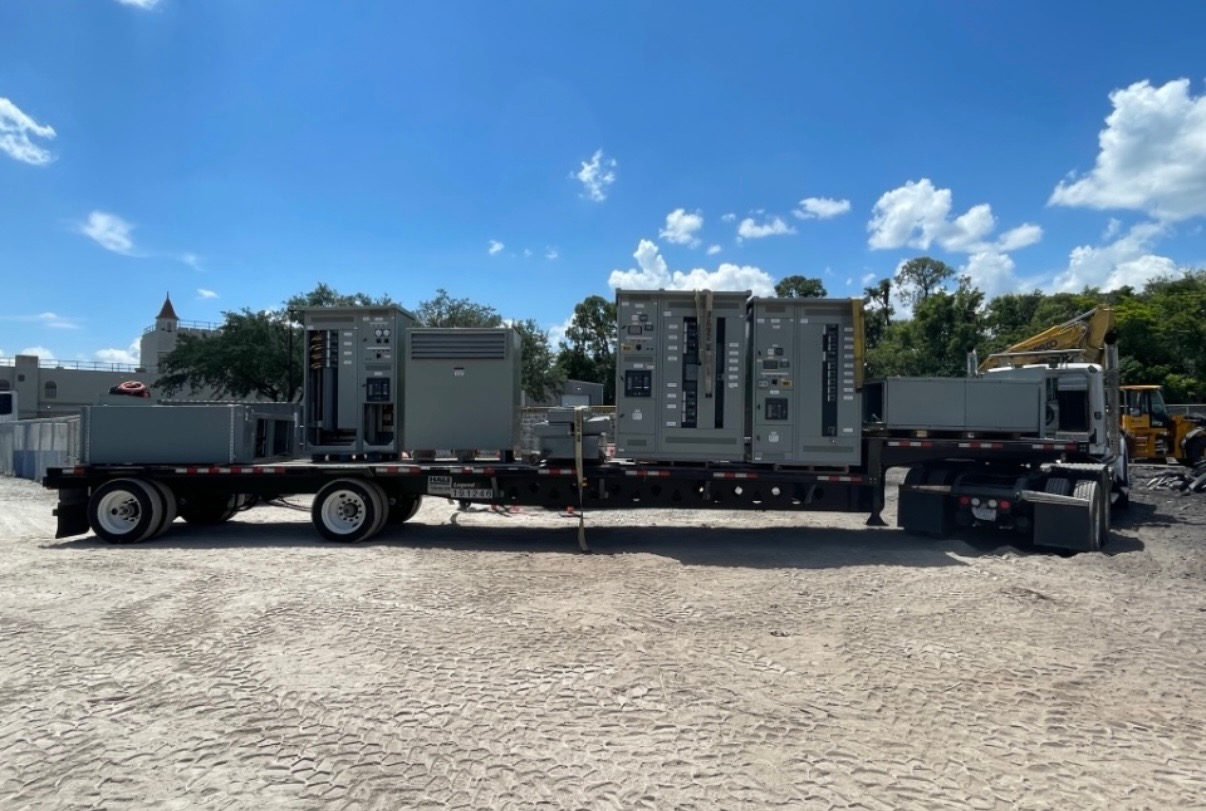
Central Texas project coordination may involve owners, electrical engineers, contractors, utilities, and equipment suppliers. Share who is defining the requirements and who will review technical documents. The manufacturer builds new equipment in the USA using all-American components and can ship nationwide; the appropriate assembly and schedule still depend on project details. A request for information is a starting point for clarifying requirements, not confirmation of fit, compliance, availability, or delivery.
Describe the Electrical Application and Interfaces
Explain where the equipment will sit in the electrical system and what it must connect to. Relevant inputs can include the source arrangement, downstream loads or distribution equipment, incoming and outgoing conductor approach, and any planned tie or transfer arrangement. Note whether the project involves coordination with existing switchboards, transformers, protective devices, controls, metering, or building systems. Include available one-line diagrams and load information when they are ready, while identifying items that remain preliminary.
Interfaces often shape the design as much as the equipment itself. Clarify the expected connection points, space and access constraints, cable entry preferences, and how the assembly must align with adjacent equipment. Document site conditions and any relevant environmental or installation constraints for the design team to evaluate. Do not infer that a particular enclosure, configuration, or connection method is suitable from a brief description; qualified project professionals should verify the requirements and applicable conditions.
Provide Ratings and Specification Inputs for Review
Share the project’s specified system voltage, current requirements, available fault-current information, and protective-device expectations if these have been established by the engineer. These values must be evaluated together with the system design; no rating should be treated as universally acceptable. Identify the applicable project specifications, drawings, and code or standard references, including the edition or authority requirements when known. If information is unknown, say so rather than estimating: the responsible electrical professionals can determine what study or documentation is needed.
Also describe functions that affect configuration, such as metering, control circuits, protective relaying, auxiliary power, compartment requirements, or communication interfaces. The appropriate standards and any product listing depend on the assembly’s design and intended use. UL 891 may apply to suitable switchboard assemblies, but it does not automatically apply to every switchgear product or to medium- or high-voltage equipment. Listing and standards claims should be confirmed against the actual proposed design and project requirements.
Identify Design Choices and Document Dependencies
A custom assembly can be developed to project specifications, but the necessary choices should be stated clearly. Indicate preferred lineup arrangement, device functions, access and service clearances, conductor entry, control features, and any dimensional limits shown on approved drawings. Distinguish firm requirements from preferences so reviewers can identify acceptable alternatives. If the project is replacing existing equipment, provide verified dimensions and connection details where available; do not assume a replacement will fit or match solely because the existing equipment has a similar name or function.
List documents that govern the work, including the latest one-line, equipment schedules, plans, and written specifications. Identify open design questions and the people authorized to resolve them. Changes to loads, source conditions, fault-current assumptions, or adjacent equipment can affect selection and coordination, so note known revisions and pending decisions. A focused information request lets the manufacturer identify missing inputs and discuss possible design paths without representing an unverified configuration as suitable.
Discuss Timing, Review, and Coordination
When asking about timing, provide the project’s target decision date, required equipment-on-site date, and key design milestones, if established. State whether drawings, studies, specifications, or approvals are still in progress and when they may be available. Lead times are determined by the project and depend on finalized scope, design review, component requirements, and other schedule factors; no delivery date should be assumed from an initial inquiry. Early discussion can help expose information gaps before they affect procurement planning.
Clarify who will review submittals and how technical questions, revisions, and approvals will be handled. Where testing or inspection requirements are specified, share them for review and confirm what applies to the proposed assembly. Testing and documentation depend on the design and project specification; they should not be assumed without confirmation. Installation planning and acceptance remain coordinated with qualified electrical professionals and relevant authorities. No one should treat schedule discussions as a substitute for required engineering review or safe work practices.
Prepare a Clear Waco Project Inquiry
For a practical first request, assemble the project location, application summary, contact roles, available drawings, known electrical requirements, interface details, and target milestones. Mark uncertain values and identify the engineer or other qualified professional responsible for confirming them. Ask specific questions: which inputs are needed to evaluate the proposed equipment, what design decisions remain open, and what information is required to discuss a project schedule? This approach helps keep the conversation centered on the actual new-equipment need rather than assumptions about a standard product or a predetermined delivery.
The manufacturer can review custom assembly requirements and ship nationwide, including to projects in Waco, while equipment suitability, applicable standards, and timing remain subject to project review. Before procurement, reconcile the proposed design with the current specifications, system studies, connection drawings, and authority requirements. If the project scope changes, circulate revised documents and revisit affected decisions. A complete, current information package gives the project team a clearer basis for evaluating new switchgear options and planning the next steps.
Project specification checklist
Use this checklist to organize the details for a project-specific review. Final ratings, applicable standards and equipment selections depend on the approved design.
| Item | What to confirm |
|---|---|
| Application | Describe the equipment’s role, project type, and served distribution areas. |
| Electrical data | Provide verified system values, fault-current information, and protection requirements; flag unknowns for professional review. |
| Interfaces | Confirm source and downstream connections, adjacent equipment, conductor entry, and control or communication needs. |
| Design documents | Share current one-lines, specifications, schedules, dimensions, and required revisions or approvals. |
| Schedule | State target decision and on-site dates, pending inputs, and project milestones; timing requires review. |