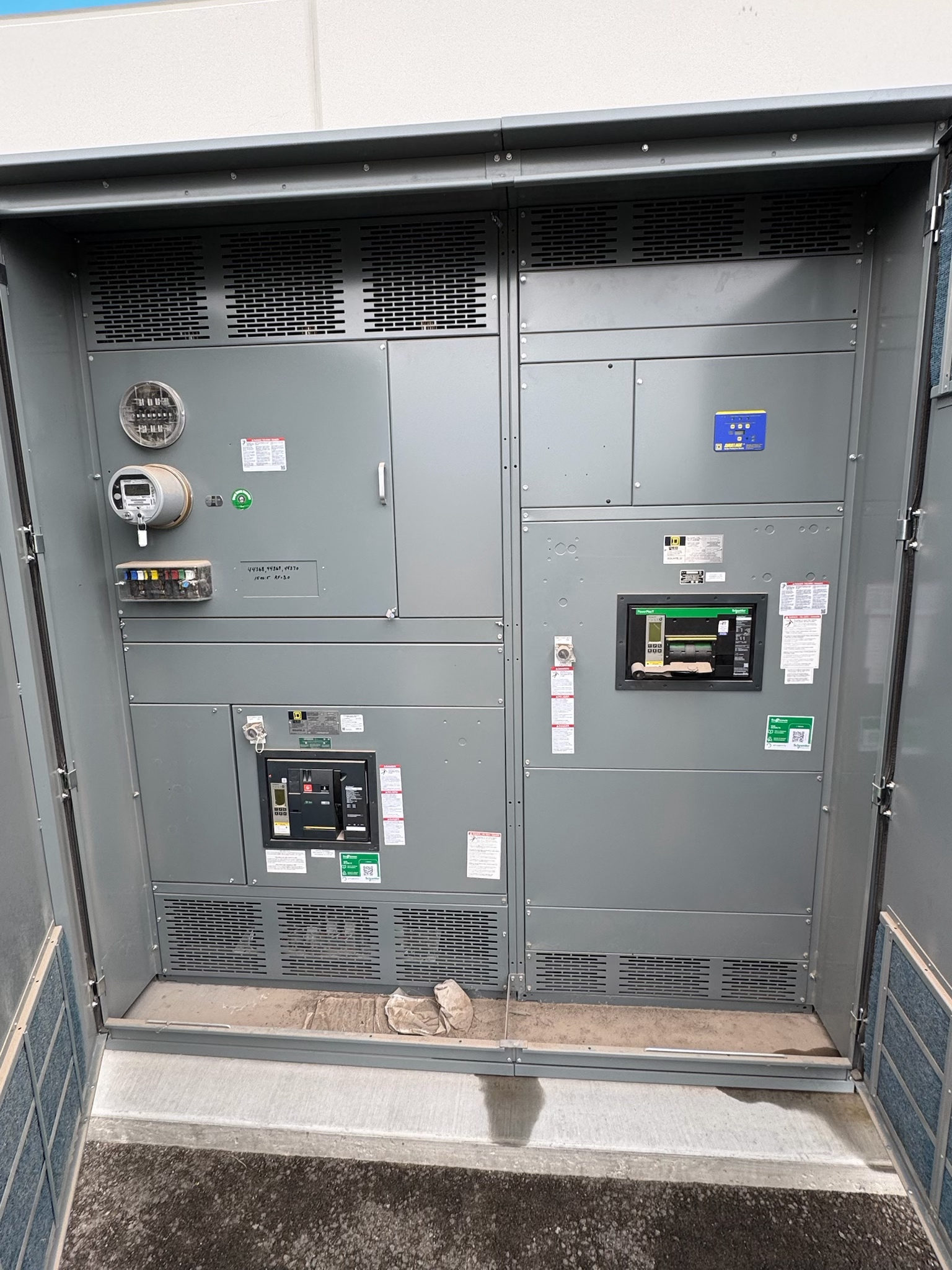
What “metal-enclosed” describes
Metal-enclosed switchgear is a broad description for electrical switching and protective equipment housed within a metal enclosure. The enclosure helps separate equipment from the surrounding space and may divide internal components into compartments, depending on the design. The term alone does not specify voltage, interrupting capability, construction details, or a particular standard. Those characteristics must be established from the project requirements and the proposed equipment documentation.
For an equipment selection FAQ, the useful question is not simply whether a product is metal-enclosed, but what functions and construction the assembly provides for the installation. A new switchgear specification should identify the system conditions, operating needs, and applicable requirements so the manufacturer can determine an appropriate design rather than treating the enclosure label as a complete specification.
How metal-clad differs
Metal-clad switchgear is a more specific form of metal-enclosed equipment. Depending on the applicable design and standard, it uses grounded metal barriers to separate major components, such as the circuit breaker, bus, and instrument transformers, into compartments. Drawout breakers and shutters may also be part of a metal-clad design. These features are not implied by the broader term metal-enclosed and must be confirmed in the equipment specification.
The distinction matters because the terms are not interchangeable in every project. A purchaser seeking metal-clad construction should state that requirement and identify the applicable standard and operating needs. Conversely, a project may call for metal-enclosed equipment without requiring metal-clad construction. Confirming terminology with the electrical engineer, equipment supplier, and project documents helps prevent mismatched expectations about compartmentation, access, maintenance, and equipment interfaces.
Start with system and application inputs
Selection begins with the electrical system the assembly will serve. Provide the nominal system voltage, frequency, grounding method, available fault-current information, and the source of that information. Identify the intended function—such as incoming service, feeder distribution, or a particular switching application—and describe the loads, operating sequence, and required protective devices. Amperage and short-circuit ratings must be evaluated against actual system conditions; neither is safely inferred from the term metal-enclosed.
Also document indoor or outdoor placement, environmental conditions, available floor space, access routes, and any constraints on installation or future maintenance. These details can affect enclosure design, arrangement, cable entry, clearances, and accessibility. The project’s electrical professionals should verify the system study and requirements, while relevant authorities determine applicable code and approval obligations. Complete inputs help the manufacturer develop a design suited to the application.
Resolve interfaces and construction choices
A switchgear assembly must connect cleanly with the rest of the electrical system. Confirm incoming and outgoing conductor routes, cable or bus connections, phase arrangement, grounding provisions, and the locations of terminations. Identify interfaces with transformers, generators, utility service, downstream equipment, control systems, and building systems where relevant. Responsibility for connection details and interface drawings should be clear among the project engineer, equipment supplier, and other affected parties.
Then document construction decisions rather than assuming them from a product name: compartment arrangement, breaker or switch type, fixed or drawout construction where applicable, metering and protection needs, control power, and access requirements. Enclosure type and environmental protection must be selected for the actual location and verified for the proposed design. UL 891 applies to suitable switchboard assemblies, not automatically to metal-enclosed switchgear generally; applicable standards and any listing require project-specific confirmation.
Coordinate design review and verification
Before release, compare the proposed equipment drawings and submittals against the one-line diagram, equipment schedule, protection scheme, physical layout, and interface requirements. Review conductor entry, terminal locations, control wiring, metering, protective-device functions, and access or maintenance clearances. Resolve discrepancies before fabrication; changes to connected equipment or site conditions may affect the design and should be communicated through the project’s established review process.
Testing and documentation should be defined for the specific assembly and governing requirements. Ask what factory checks or tests are included, what records will be provided, and what project testing or commissioning remains the responsibility of others. Do not assume a test scope, certification, or standard applies based on the metal-enclosed label. Qualified electrical professionals should review the design and testing plan, and installation and energization should follow approved procedures and applicable authority requirements.
Prepare a complete request for new equipment
For a useful quotation and design review, submit the project location, required schedule, one-line diagram, equipment schedule, system study data, applicable specifications, and available room or site drawings. Flag unresolved items instead of filling gaps with assumed ratings. Identify whether metal-clad construction is mandatory or whether another metal-enclosed design may be considered, and explain the reason for any preference, such as operating practice, maintenance planning, or project standards.
A US manufacturer can build new equipment to project specifications using all-American components and ship nationwide; lead time depends on the project and should be confirmed during review. Ask for a clear list of required inputs, proposed scope, standards basis, interfaces, and open technical decisions. This creates a practical path from equipment selection to coordinated submittals without presuming a particular rating, listing, delivery date, or site service.
Project specification checklist
Use this checklist to organize the details for a project-specific review. Final ratings, applicable standards and equipment selections depend on the approved design.
| Item | What to confirm |
|---|---|
| Construction terminology | Confirm whether the project requires metal-clad construction or permits another metal-enclosed design; state the relevant construction details. |
| System conditions | Provide verified voltage, frequency, grounding method, available fault current, and required continuous and interrupting ratings. |
| Equipment function | Identify service, feeder, switching, protection, metering, control, and operating-sequence requirements. |
| Physical and environmental needs | Confirm installation location, environmental conditions, enclosure requirements, dimensions, access, and cable or bus entry. |
| Interfaces and standards | Coordinate connected equipment, terminations, control interfaces, applicable standards, testing scope, and any required listing. |