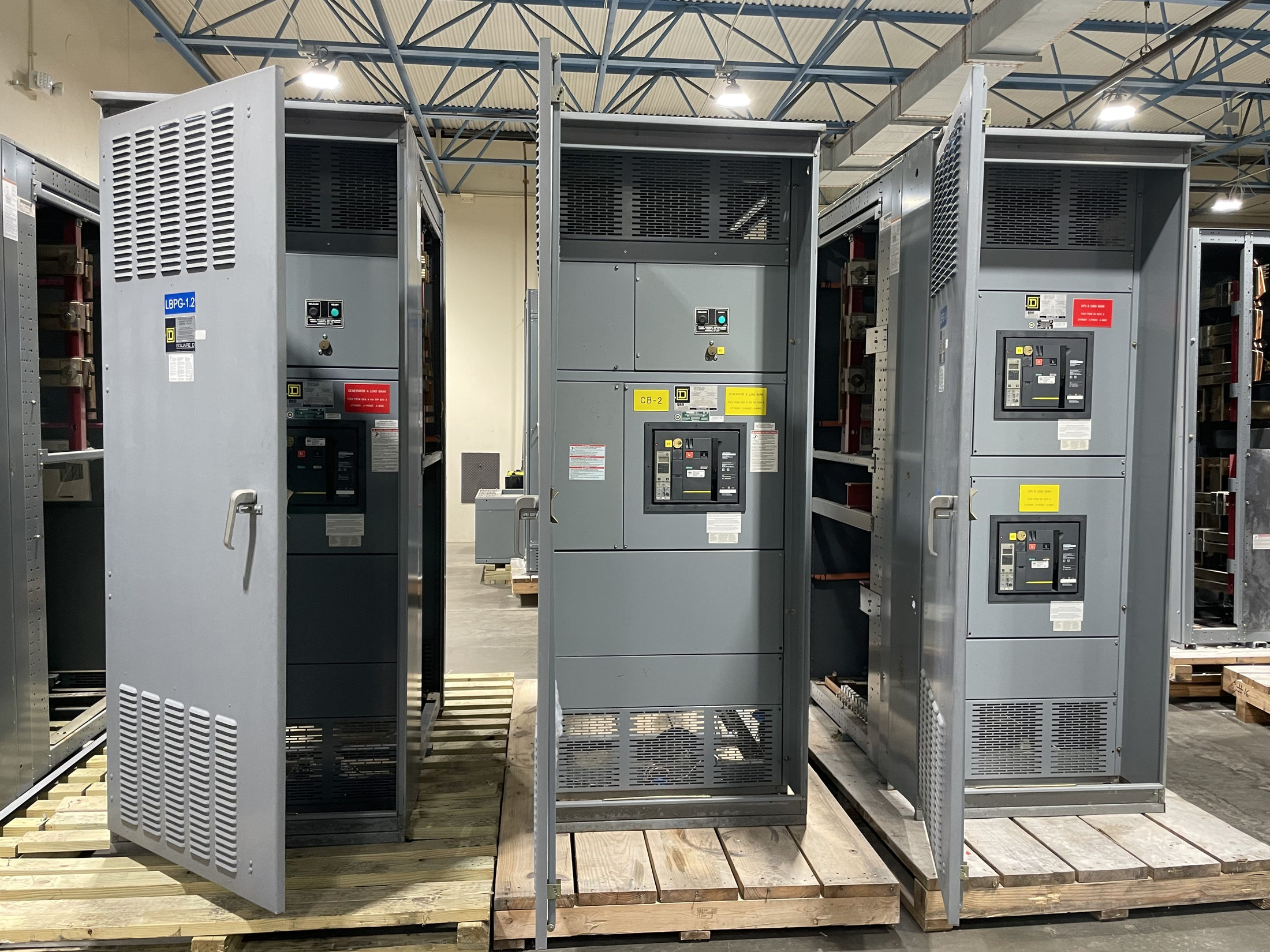
When pad-mounted equipment enters the discussion
Pad-mounted equipment is considered when a project needs electrical distribution equipment positioned outdoors at grade, often near the loads or the point where utility service transitions into the customer’s system. The term can refer to different equipment configurations, so it is not a complete specification by itself. A designer first defines the function: for example, whether the assembly is intended for service distribution, transformer-related interfaces, or switching. The project’s one-line diagram, operating needs, and utility requirements establish whether this arrangement is appropriate. For new switchgear, the selection should follow the actual system design rather than a presumed standard package or an assumption that any outdoor enclosure will fit.
Site layout, access, and environmental conditions
Site information helps determine whether a pad-mounted arrangement is practical and how it should be configured. Confirm the proposed location, pad dimensions and design responsibility, equipment orientation, working and access clearances, cable approach, and routes for installation or future maintenance. Account for nearby structures, vehicle paths, drainage, exposure, and any security or access-control requirements identified by the project team. Enclosure construction and environmental provisions must be selected for the actual location and applicable design criteria; do not infer an enclosure type from the phrase “pad-mounted.” Have qualified professionals review civil, electrical, and code interfaces, including clearances and access obligations. The manufacturer needs project-specific drawings and constraints to evaluate a custom assembly.
Utility service and ownership boundaries
Utility input is central when equipment connects to a utility system. Obtain the utility’s service requirements and confirm the point of connection, ownership and maintenance boundaries, metering or protection interfaces, and any required switching or access arrangements. The utility may specify electrical characteristics or connection details that affect the design, but those requirements should be documented rather than assumed. The customer’s engineer should reconcile utility information with the facility one-line and load needs, then identify who reviews and accepts each interface. Requirements can vary by utility and project. Do not treat a general product description, a prior installation, or an assumed approval as confirmation that a proposed assembly is suitable for a particular service.
Cable interfaces and electrical selection
Cable details influence both equipment selection and physical arrangement. Confirm conductor material and size, cable quantity and routing, termination type, entry direction, bending-space needs, and whether the design uses incoming, outgoing, or loop connections. Verify system voltage, frequency, continuous current, available fault current, grounding method, and protection requirements with the project engineer; each must be evaluated for the specific assembly and application. No voltage, current, interrupting capability, or short-circuit rating should be presumed acceptable without review. Specify the interface between the equipment and adjacent transformers, switchgear, or distribution components, including any transition requirements. The selected configuration must accommodate the documented cables and system conditions while meeting applicable project standards.
Switching functions, operations, and verification
Define the switching purpose before selecting a configuration: what circuits must be isolated or controlled, how the system is normally operated, and whether operating sequences or interlocks are required. Identify who will operate the equipment and what labeling, access, and documentation they need. Switching devices and protection functions depend on the system design, fault conditions, and coordination study; the equipment category alone does not establish them. During design review, qualified electrical professionals should check the one-line, interface drawings, ratings, protection coordination, and operating requirements. Agree on project-appropriate inspection and testing documentation before release. Applicable standards and any listing depend on the assembly and design; UL 891 applies to suitable switchboards, not automatically to every pad-mounted product.
Prepare a selection package and resolve open items
To move from consideration to a buildable specification, provide the manufacturer with the one-line diagram, utility criteria, site and pad drawings, cable schedule, system data, required switching functions, and identified interfaces. Mark unresolved items—such as final utility requirements, cable terminations, ownership boundaries, or civil dimensions—and assign them to the responsible project parties. Request a drawing review that checks access, cable entry, connection points, and coordination with adjacent equipment before approving the design. Confirm project-specific standards, testing expectations, documentation, and schedule during procurement; lead times depend on the defined scope. A US-built custom assembly using all-American components can be specified to project requirements and shipped nationwide, subject to design review and agreed details.
Project specification checklist
Use this checklist to organize the details for a project-specific review. Final ratings, applicable standards and equipment selections depend on the approved design.
| Item | What to confirm |
|---|---|
| Site and pad | Confirm location, pad dimensions, access, orientation, cable routes, and environmental design criteria. |
| Utility interface | Document service requirements, point of connection, ownership boundaries, metering, protection, and utility review. |
| System data | Verify voltage, current, available fault current, grounding, and protection needs with qualified project professionals. |
| Cables and terminations | Specify conductor details, quantity, entry direction, termination style, and required cable space. |
| Switching and verification | Define operating functions, interlocks if required, coordination reviews, applicable standards, and testing documentation. |