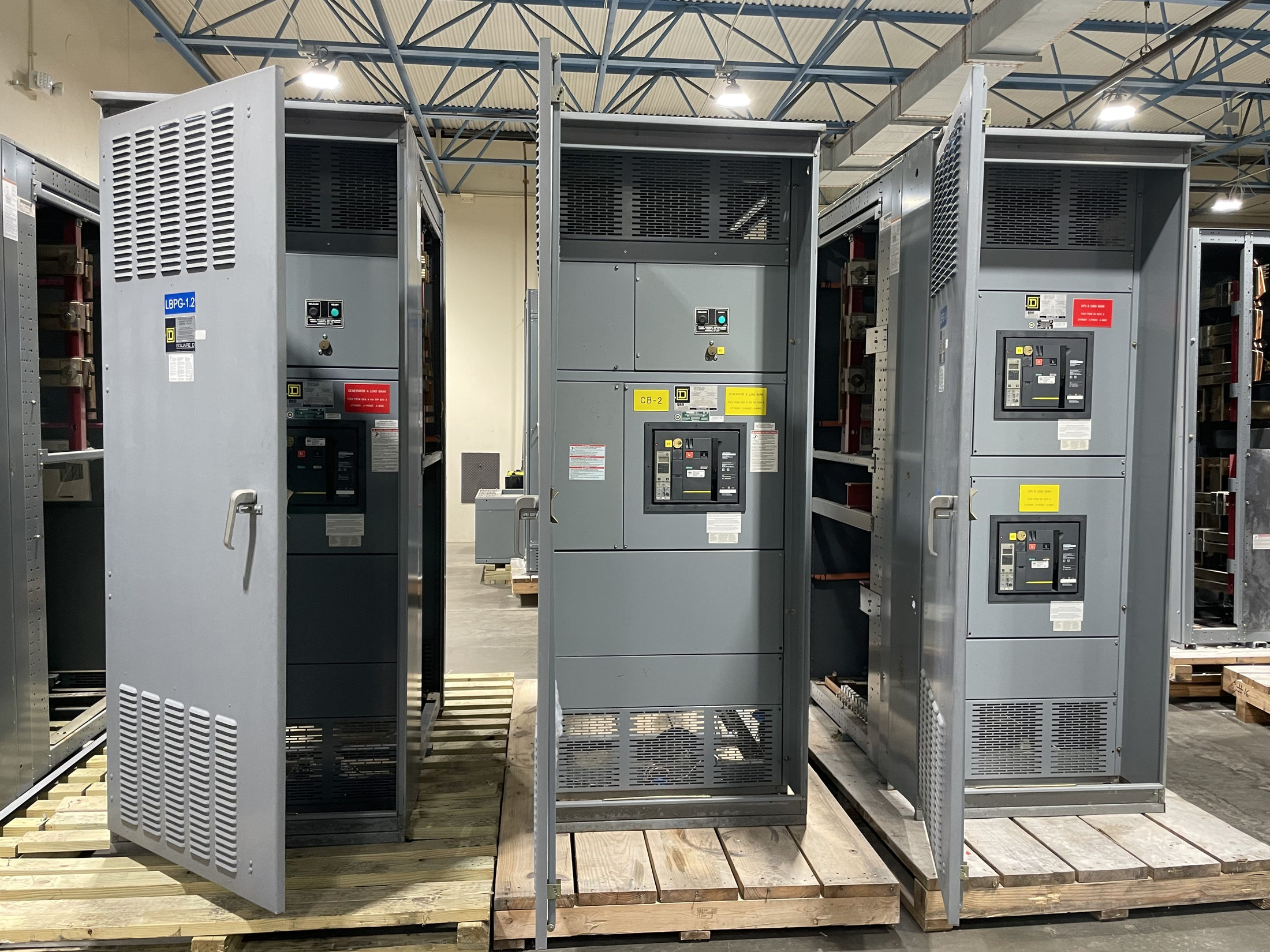
What a New Switchgear Retrofit Project Means
A new switchgear retrofit project modernizes an electrical distribution system by installing newly manufactured equipment in place of an existing lineup. The scope may include replacing the full lineup or a defined portion of it, depending on the facility’s needs and the design constraints. The term describes the project approach; it does not mean that new equipment will automatically fit the old footprint, connect to existing conductors, or perform the same way without engineering review.
For facility owners and electrical contractors, the central task is to define what the replacement must support while identifying which existing systems remain in service. A retrofit plan therefore covers the new assembly and its interfaces with the building, feeders, protective devices, controls, grounding, and operating procedures. Qualified electrical professionals should review the existing installation, project requirements, and applicable codes and standards before equipment is specified.
Start With Existing Conditions and Operating Needs
Begin by collecting the current lineup’s drawings, nameplate information, equipment schedules, maintenance records, and available fault-current or coordination studies. Site documentation should show dimensions, access routes, room clearances, cable and bus entry locations, conduit, grounding connections, and the relationship to upstream and downstream equipment. Field verification matters because drawings may not reflect later changes or concealed obstructions. Record which loads must be served and whether the facility has constraints on shutdown timing or temporary operating arrangements.
Define the modernization goals as well as the replacement boundary. The project may address equipment condition, changed loads, control needs, maintainability, or future expansion, but those aims can affect different design decisions. Confirm system voltage, continuous load, protective-device requirements, available fault current, environmental conditions, and the intended operating arrangement using project data. Do not carry forward an old rating simply because it appears on the existing lineup; suitability of the new design must be established for the actual application.
Choose Equipment Around Verified Requirements
Selection begins with the electrical system and the duties the new assembly must perform. The design team should confirm bus configuration, incoming and outgoing connections, protective-device functions, metering or control needs, and any requirements for isolation or compartmentalization. Voltage, current, short-circuit withstand or interrupting capability, and enclosure construction are project-specific choices, not default features. Applicable standards and any listing requirements depend on the equipment type, design, and project; UL 891 applies to suitable switchboard assemblies and should not be assumed for every switchgear application.
Physical compatibility also deserves careful attention. Compare the proposed lineup dimensions and section arrangement with the available room, access path, working clearances, cable bending space, and floor or anchorage conditions. Determine whether conductors can be reused, require extension or replacement, or need different terminations. Custom assemblies can be designed to project specifications, but the design depends on complete, reviewed inputs. A dimension or connection that cannot be verified should be treated as an open engineering question rather than presumed compatible.
Plan Interfaces and Outage Coordination
A retrofit can affect more than the equipment being removed. Map connections to transformers, feeders, generators, transfer equipment, control circuits, communications, grounding, and any monitoring systems that remain. Identify who is responsible for each interface and what drawings, terminal details, or operating information must be exchanged. Check whether the existing protective-device settings and coordination study remain appropriate after the new equipment and system changes are defined; review by qualified professionals is essential.
Build the installation sequence around the facility’s operating priorities and approved safety procedures. Establish outage assumptions, isolation boundaries, removal and placement access, temporary arrangements if needed, and the order for reconnecting circuits. The manufacturer’s role in supplying new equipment does not establish who will perform demolition, installation, commissioning, or site work; responsibilities should be assigned among the owner, electrical contractor, engineer, and other project participants. Confirm schedule dependencies and procurement milestones early, since lead time is determined by project scope and design readiness.
Review Design, Documentation, and Testing
Before release for manufacture, review the proposed one-line diagram, elevations, section layout, connection details, device functions, control schematics, and interface points against the project requirements. Resolve discrepancies between existing conditions and design documents, and document approved deviations. Submittal review should also confirm that the specified ratings and construction match the application, with any applicable standards or listing requirements addressed for the particular assembly rather than inferred from a product category.
Project planning should define inspections and tests appropriate to the equipment and contract documents. Factory documentation and testing, when specified and applicable, should be distinguished from field installation checks and system commissioning. Agree on what records will be provided, who witnesses or approves tests, and how results are handled before energization. Testing scope and acceptance criteria must be set by the responsible project professionals and relevant authorities. No general checklist replaces equipment instructions, site procedures, or qualified review of the completed installation.
Prepare a Complete Procurement Package
A useful request for a new switchgear retrofit quote includes the existing one-line diagram, nameplate and schedule data, verified dimensions, photographs where permitted, load and fault-current information, connection details, control requirements, and the intended replacement boundary. Add the project’s required standards, listing criteria if applicable, submittal expectations, delivery constraints, and identified open questions. State which components are expected to remain and which are within the new-equipment scope. A manufacturer can then review the information, identify gaps, and develop a design response for the specified application.
For Austin and Central Texas projects, coordinate shipment planning with the site’s receiving hours, unloading capability, route and doorway limits, storage conditions, and the contractor’s installation sequence. Equipment built in the USA with all-American components can be shipped nationwide, but project-specific timing and logistics should be confirmed rather than assumed. The practical next step is for the owner or engineer to consolidate verified system data and arrange a technical review with the manufacturer and project team. Resolve unanswered interface and outage questions before finalizing the equipment design.
Project specification checklist
Use this checklist to organize the details for a project-specific review. Final ratings, applicable standards and equipment selections depend on the approved design.
| Item | What to confirm |
|---|---|
| Existing-system records | Confirm current one-line diagrams, nameplates, schedules, studies, and documented modifications. |
| Electrical requirements | Verify system voltage, load, available fault current, protection functions, and operating arrangement. |
| Physical interfaces | Check dimensions, clearances, access route, conductor entry, terminations, grounding, and anchorage conditions. |
| Scope and responsibilities | Define the replacement boundary, retained equipment, installation roles, outage assumptions, and interface owners. |
| Standards and verification | Identify applicable standards, any required listing, submittals, testing scope, acceptance criteria, and responsible reviewers. |
| Procurement and logistics | Confirm design inputs, review milestones, receiving and unloading constraints, storage, and project-specific lead time. |