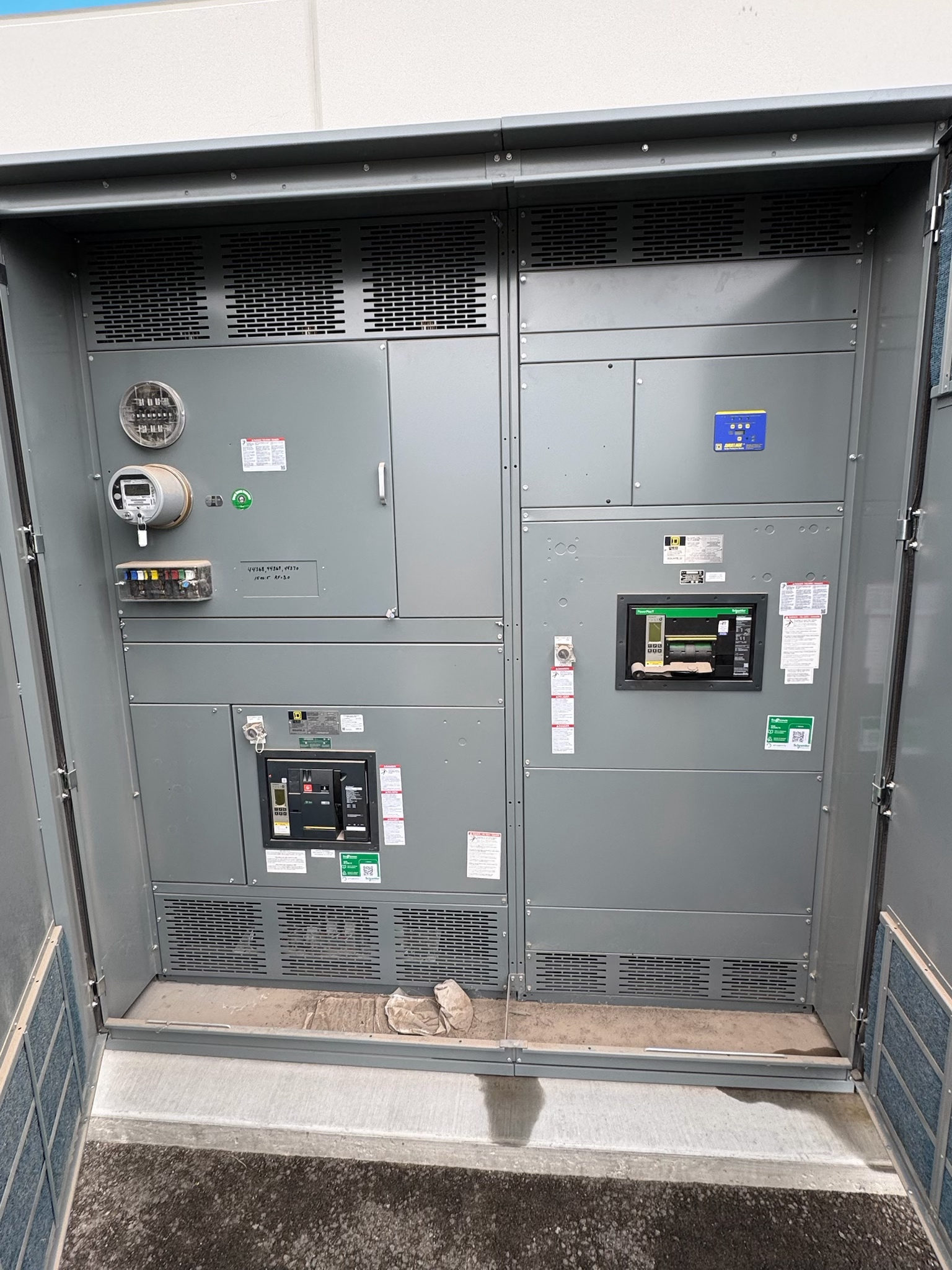
Start with the equipment-specific instructions
How should switchgear be stored before installation? Start with the manufacturer’s instructions for the exact equipment and configuration being delivered. Storage requirements can vary with construction, materials, accessories, and packaging, so a general rule cannot replace the documentation supplied for the assembly. Keep the instructions and shipping records accessible to the project team, and identify any storage limits, inspection intervals, handling restrictions, or steps required before energization.
For new switchgear, assign responsibility for receiving, preserving, and documenting the equipment before it arrives. Confirm who can interpret the manufacturer’s requirements and who will notify the manufacturer if packaging is damaged or site conditions change. Do not remove protective materials, operate heaters, or make internal adjustments unless the instructions authorize those actions. When guidance is unclear, request clarification before choosing a storage method.
Choose a suitable storage location
Select a location that protects the equipment from precipitation, standing water, condensation, dust, corrosive substances, and physical impact. A dry, secure indoor area may be appropriate when it meets the manufacturer’s stated environmental limits, but “indoors” alone does not guarantee acceptable conditions. Consider roof leaks, nearby plumbing, construction activities, temperature swings, ventilation, and the possibility of moisture entering through doors or openings.
If indoor storage is not available, do not assume the shipping wrap or enclosure is suitable for extended outdoor exposure. Verify the permitted exposure and any approved protective measures with the manufacturer. Keep the equipment clear of areas where other trades may store materials or perform work that creates dust, sparks, or vibration. The storage plan should preserve access for inspection without exposing components to unnecessary handling.
Control temperature, moisture, and contamination
Use the environmental conditions specified for the particular assembly, including any limits for temperature, humidity, or condensation. Avoid placing equipment where rapid temperature changes can cause moisture to form on internal parts. If the manufacturer calls for environmental controls or preservation measures, identify the required equipment, monitoring method, and person responsible for maintaining them. Do not assume that a space heater, dehumidifier, or desiccant is appropriate; incorrect use can create hazards or conflict with instructions.
Protect openings and finishes from construction dust, metal filings, chemicals, and other contaminants. Maintain packaging only as directed, since some coverings can trap moisture or restrict ventilation. Record observed conditions when required by the storage plan, and escalate excursions promptly. The acceptable response may depend on duration, exposure, and equipment design, so avoid deciding that a unit is unaffected based only on a visual check.
Plan receiving, handling, and interfaces
Before delivery, confirm the access route, unloading method, staging area, floor or support conditions, and any constraints on moving the equipment. Use the manufacturer’s handling instructions and the shipping documents to identify lifting points, orientation, and restrictions; do not infer these from appearance. Coordinate delivery timing with the site so the assembly can be inspected and moved into appropriate storage without being left exposed or obstructing other work.
Review interfaces that affect preservation and later installation, including shipping splits, bus or cable connections, control wiring, accessory packages, and documents shipped separately. Keep identified parts together and protected, while avoiding unauthorized disassembly. The project team should reconcile the equipment configuration with approved drawings and specifications, including required clearances and the planned installation environment. Qualified electrical professionals should resolve discrepancies before installation proceeds.
Inspect and document condition before installation
Follow the manufacturer’s inspection schedule and document packaging condition, visible damage, signs of moisture, and any storage events that could affect the equipment. If damage or an environmental excursion is found, preserve relevant records and contact the manufacturer for direction before altering the assembly. Inspection is not a substitute for required acceptance checks, and storage does not establish that equipment is ready to energize.
Before installation, determine what inspections, tests, cleaning, or restoration steps the manufacturer requires after the actual storage duration and conditions. Confirm who will perform and record each task, and coordinate results with the project’s electrical professional and other responsible parties. Applicable standards and testing requirements depend on the equipment design and project. Do not energize equipment until its condition and readiness have been evaluated under the project’s approved procedures.
Make storage part of procurement planning
Include storage assumptions in procurement and schedule coordination, particularly when the construction site will not be ready when new switchgear arrives. Provide the manufacturer with the expected delivery window, likely storage location and conditions, anticipated duration, and any unusual site constraints. Ask which instructions apply to the ordered configuration and whether the planned conditions require specific preservation steps. These inputs help the project team plan receiving and readiness without assuming a universal storage period or environmental capability.
Before shipment, identify the person receiving the equipment, the location for the manuals and inspection records, and the escalation contact for questions. Compare the delivery plan with site readiness and adjust timing or arrange a manufacturer-approved storage approach if conditions are unsuitable. Keep documentation with the equipment through installation and commissioning. This practical handoff reduces uncertainty and helps ensure that storage decisions are reviewed against the actual assembly and project requirements.
Project specification checklist
Use this checklist to organize the details for a project-specific review. Final ratings, applicable standards and equipment selections depend on the approved design.
| Item | What to confirm |
|---|---|
| Manufacturer documentation | Confirm the storage, preservation, handling, inspection, and pre-installation instructions for the exact equipment configuration. |
| Storage environment | Verify permitted temperature, humidity, moisture exposure, ventilation, cleanliness, and any required monitoring with the manufacturer. |
| Receiving and handling | Plan delivery timing, unloading, access route, support conditions, orientation, lifting method, and protected staging. |
| Preservation responsibility | Assign responsibility for maintaining conditions, checking the equipment, recording events, and escalating damage or excursions. |
| Installation readiness | Confirm required inspections, tests, restoration steps, applicable project requirements, and qualified personnel before installation or energization. |