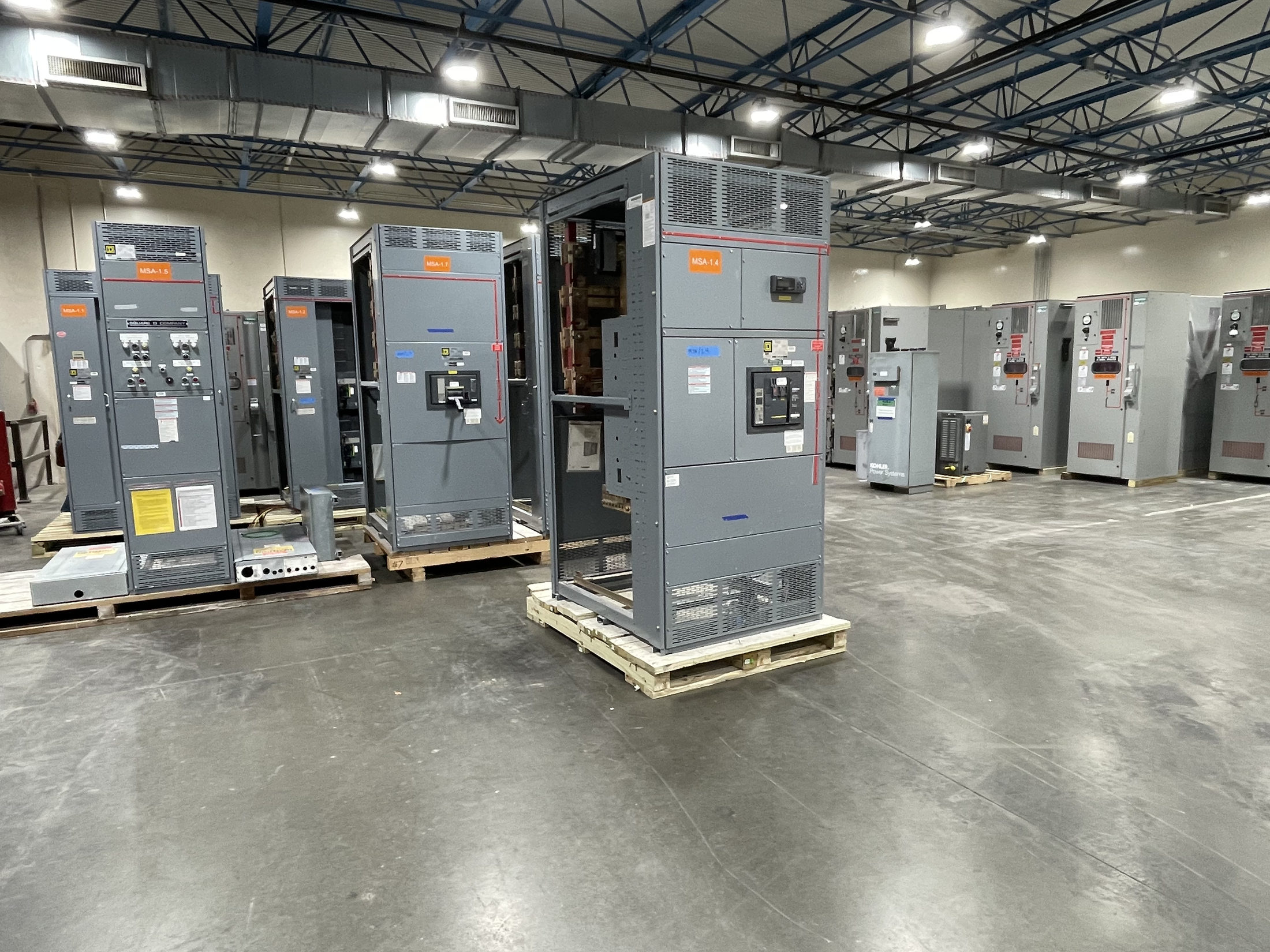
Who is responsible for installing switchgear?
New switchgear is typically installed by a qualified electrical contractor selected by the project owner or general contractor. The installing party is responsible for work within its contracted scope, such as receiving and handling equipment, setting it in place, making specified electrical connections, and coordinating required inspections. The exact division of responsibility varies by project; the equipment manufacturer is not automatically the installer.
The engineer of record establishes or reviews the electrical design, while the owner defines operating needs and site requirements. The contractor, engineer, equipment supplier, and relevant authorities should confirm responsibilities before procurement. For this installation and maintenance FAQ, the practical answer to “who installs switchgear?” is: a qualified party whose experience, scope, and authorization match the equipment and project.
Match the installer to the application
Installer selection should reflect the switchgear’s role in the facility, the system voltage and configuration, and the complexity of the connections and controls. A project involving a service entrance, distribution lineup, generator interface, or other source coordination may require distinct planning and trade coordination. Confirm the contractor’s relevant qualifications and experience for the specified equipment rather than assuming one contractor is suitable for every application.
Equipment selection and installation planning are linked. The design team must identify the system arrangement, required functions, available space, environmental conditions, and applicable project requirements. Current, interrupting, enclosure, and other ratings must be determined for the actual system and verified by qualified professionals; no rating should be treated as acceptable by default. Applicable standards and approvals depend on the product design and project.
Set the design and site requirements early
Before requesting a new switchgear assembly, provide the manufacturer with the project specifications, one-line diagram, equipment schedule, and known interface requirements. Useful inputs include system conditions, connected loads, protective-device and control needs, cable entry and termination details, and any required metering or communications. The engineer should resolve design questions that affect equipment configuration, and the owner should identify operational priorities and site constraints.
The contractor should verify installation conditions against the equipment drawings before work begins. Confirm room dimensions, access routes, clearances, floor and anchoring requirements, ventilation or environmental conditions, and the planned path for conductors. These are project checks, not universal equipment assumptions. If the site or design changes after submittal, bring the engineer, contractor, and manufacturer into the review so the final configuration and installation plan remain aligned.
Coordinate interfaces, delivery, and scope
A clear responsibility matrix can prevent gaps between equipment supply and field installation. Identify who reviews drawings, approves submittals, arranges receiving and storage, provides lifting and placement resources, completes field connections, and schedules inspections. Confirm who supplies and installs upstream or downstream conductors, grounding, control wiring, protection settings, and communications interfaces. Each assignment should be checked against the project contract and design documents.
For a Central Texas project, coordinate delivery timing with site readiness, access restrictions, the contractor’s installation sequence, and any required shutdown or inspection windows. A US manufacturer can build assemblies to specification and ship nationwide, but lead time and delivery arrangements depend on project details. Confirm the approved configuration, shipping destination, receiving contact, and schedule directly during procurement; do not assume a particular ship date or that delivery includes placement or installation.
Plan testing and turnover with qualified teams
Testing and commissioning responsibilities should be agreed before installation. The engineer and contractor should establish which inspections, checks, and functional tests are required by the design, equipment documentation, contract, and applicable authorities. Depending on the system, planning may include verification of connections, protective-device settings, control circuits, interlocks, and communications. The scope and test methods must be appropriate to the specific equipment and project.
The contractor should coordinate test timing, required records, and any witness or approval requirements with the owner, engineer, manufacturer, and authorities as applicable. Do not energize or test equipment outside approved procedures; qualified personnel must follow the project safety plan and equipment instructions. At turnover, clarify who provides drawings, settings documentation, test results, operating information, and maintenance guidance, and who receives and retains each record.
Confirm the next steps before placing an order
Start by naming the owner’s project contact, engineer of record, installing contractor, and procurement lead. Gather the current one-line diagram, specifications, site constraints, schedule, and required interfaces, then identify open design decisions and who will resolve each one. Ask the contractor to review access and installation conditions, and ask the design team to confirm the required ratings, protection, and applicable standards before the assembly is finalized.
When requesting new switchgear, send the manufacturer the approved requirements and clearly distinguish confirmed information from items still under review. Ask what drawings and submittals are needed, how configuration changes will be handled, and what delivery assumptions should be coordinated with the site team. Before release, reconcile the approved documents with the contractor’s installation scope and commissioning plan. This gives every party a concrete basis for ordering, preparing the site, and completing a coordinated handoff.
Project specification checklist
Use this checklist to organize the details for a project-specific review. Final ratings, applicable standards and equipment selections depend on the approved design.
| Item | What to confirm |
|---|---|
| Installing party | Confirm the contractor’s qualifications, relevant experience, authorization, and contracted scope for the specified equipment. |
| Design inputs | Provide current one-line diagrams, specifications, system conditions, load information, and required protection and control functions. |
| Site readiness | Verify dimensions, access, clearances, floor and anchoring conditions, conductor routes, and environmental requirements. |
| Interfaces and scope | Assign responsibility for conductors, grounding, controls, settings, communications, receiving, placement, inspections, and testing. |
| Standards and ratings | Have qualified project professionals verify equipment ratings, applicable standards, and approval requirements for the actual design. |
| Schedule and turnover | Coordinate submittal approval, procurement timing, site access, commissioning responsibilities, required records, and delivery assumptions. |