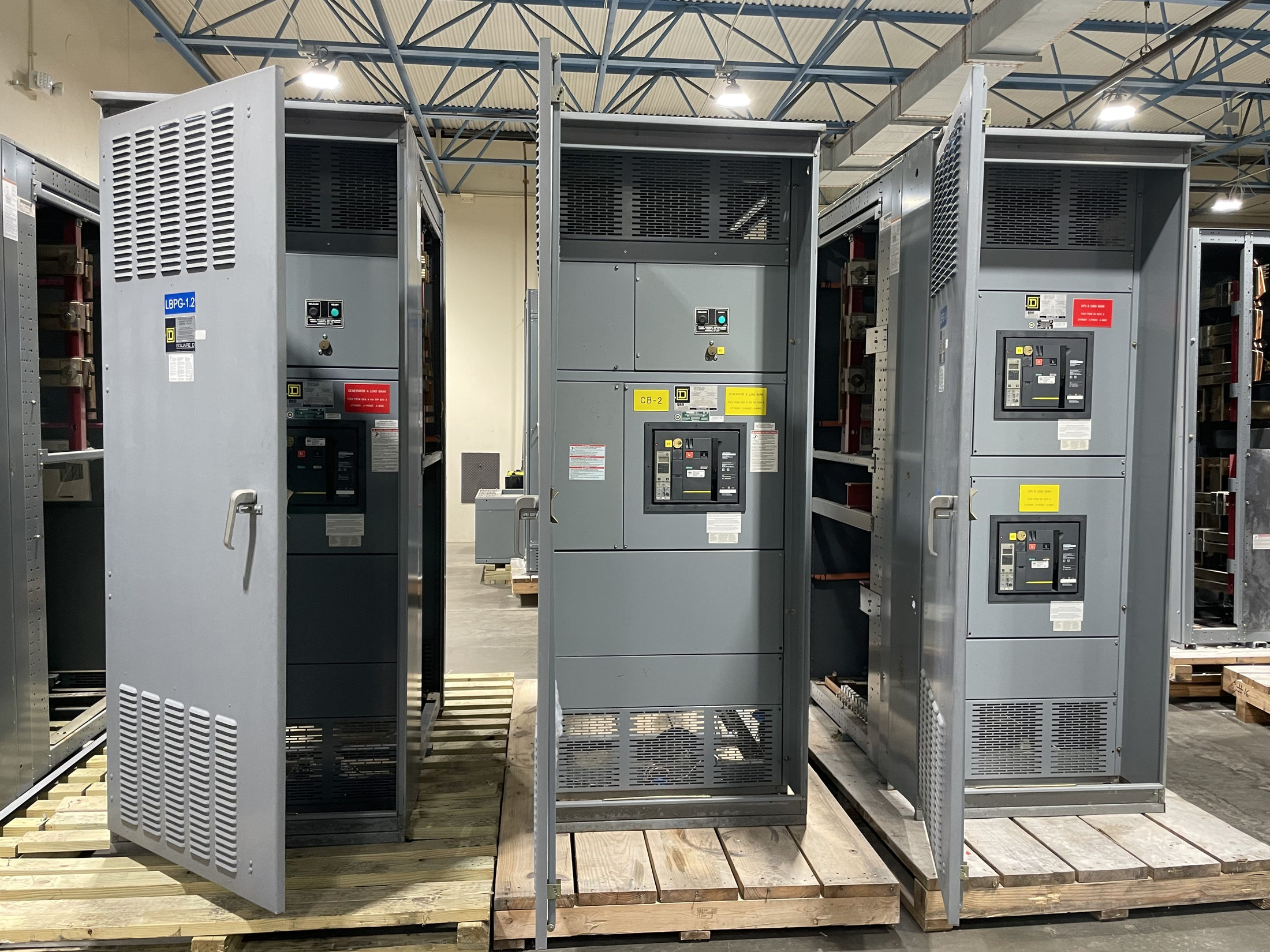
Start with the electrical system and application
A useful switchgear quote starts with the system the new equipment must serve. Identify the facility or project application, the equipment’s role, and whether it connects to a utility source, generator, transformer, or another distribution section. Provide the nominal system voltage, phase and wire configuration, grounding approach, and available fault-current information when established. These details help determine which equipment type and design questions need review; they do not by themselves establish an acceptable rating.
Share the one-line diagram or a clear description of the source and downstream loads. Note operating modes such as normal and standby sources, planned tie operation, or future expansion. If information is preliminary or unknown, mark it as such rather than estimating. Final selections require review by qualified electrical professionals and relevant authorities, with ratings and applicable standards confirmed for the actual design.
Define the equipment and scope to be quoted
Describe the requested equipment—such as a switchboard, switchgear lineup, or a particular distribution assembly—and identify what the quote should include. List incoming and outgoing sections, protective devices, metering, control functions, and any specified accessories or provisions for future circuits. For each item, provide the preferred manufacturer or model only when it is a project requirement; otherwise, state the required function and let the design review identify open choices.
Clarify whether the request covers equipment only or includes related items such as transition sections, bus connections, or separate enclosures. These interfaces can affect the assembly design and scope even when supplied by others. Do not assume a particular voltage, amperage, short-circuit rating, enclosure type, or listing is suitable or available. Confirm each against system conditions, installation environment, project specifications, and applicable requirements before pricing is finalized.
Provide drawings and project documents
Send the latest one-line diagram, specifications, equipment schedules, and relevant plans or elevations. Drawings should show source and load connections, lineup arrangement, room or pad constraints, cable or bus entry, and access or clearance requirements when known. Identify revision dates and distinguish issued-for-quote information from preliminary concepts. If documents conflict, point out the discrepancy; unresolved differences can change the proposed configuration and make quote comparisons unreliable.
A panel schedule, load information, protection or coordination requirements, and control schematics may also be relevant depending on the application. Include project notes about communication, metering, interlocking, or integration with existing systems. A manufacturer can review submitted information for quote development, but that review does not replace engineering approval or field verification. Clearly flag assumptions that need confirmation, especially where existing equipment dimensions, connection details, or system data have not been verified.
Confirm quantities, interfaces, and design choices
State the quantity of each lineup or assembly and whether identical units serve separate locations or systems. Provide the number and function of feeder ways, spare or future provisions, and any required duplicate or alternate configurations. A simple count of sections may not define the full scope: circuit functions, device arrangements, bus connections, and controls can distinguish assemblies that otherwise appear similar.
List responsibilities at equipment boundaries. Identify which party supplies transformers, breakers, cables, bus duct, control wiring, metering signals, and connection hardware, as applicable. For replacement or expansion work, provide verified interface information and explain what must connect to existing systems; do not assume dimensions or compatibility from a photograph alone. Design choices such as access orientation, cable entry, enclosure construction, and assembly arrangement should follow project conditions and be confirmed before a final quote is accepted.
Share schedule, testing, and procurement needs
Provide the requested quote date, target approval or release date, required equipment-on-site date, and any phased shipment expectations. State the project location for freight planning and identify receiving constraints, delivery-hour limits, or special handling requirements that are known. Lead time depends on the approved design, component selection, and project conditions, so a requested date is not a confirmed commitment. Early disclosure of schedule needs helps identify decisions or documents that could affect the procurement sequence.
Include project requirements for submittals, factory testing, witness points, documentation, and inspection, if specified. Testing scope and applicable standards depend on the equipment design and contract requirements; UL 891 applies to suitable switchboard assemblies, not automatically to every switchgear product. Confirm requested compliance and evidence during review rather than assuming a listing. Also identify any approval steps that must be completed before production authorization.
Prepare a clear request and resolve open items
For a practical pricing and quote FAQ answer, there is no single document that fits every project. Send the available system data, equipment description, current drawings, quantity, interface notes, and schedule together, then label gaps and assumptions. Include a contact for technical questions and identify the specification sections or drawing revisions that govern. If a design choice remains open, ask for the quote to state its basis and list the information needed to firm it up.
Before comparing proposals, check that each covers the same equipment scope, quantities, connection boundaries, requested options, documentation, and schedule assumptions. Ask which ratings and project requirements remain subject to engineering review. US-manufactured new switchgear with all-American components and custom assemblies to specification may be considered where it matches the project; nationwide shipping is offered, while timing and suitability require confirmation. This preparation supports a more meaningful quote without treating preliminary information as final design approval.
Project specification checklist
Use this checklist to organize the details for a project-specific review. Final ratings, applicable standards and equipment selections depend on the approved design.
| Item | What to confirm |
|---|---|
| System data | Confirm voltage, phase and wire configuration, grounding, sources, and available fault-current information, or identify what remains unknown. |
| Equipment scope | Describe equipment type, incoming and outgoing functions, protective devices, metering, controls, accessories, and exclusions. |
| Drawings and revisions | Provide current one-lines, specifications, schedules, plans, and clearly marked revision status and unresolved discrepancies. |
| Quantity and interfaces | State assembly and circuit quantities, future provisions, connection boundaries, and verified existing-equipment details. |
| Schedule and requirements | Share target dates, delivery location and constraints, submittal needs, testing requests, and approval dependencies. |