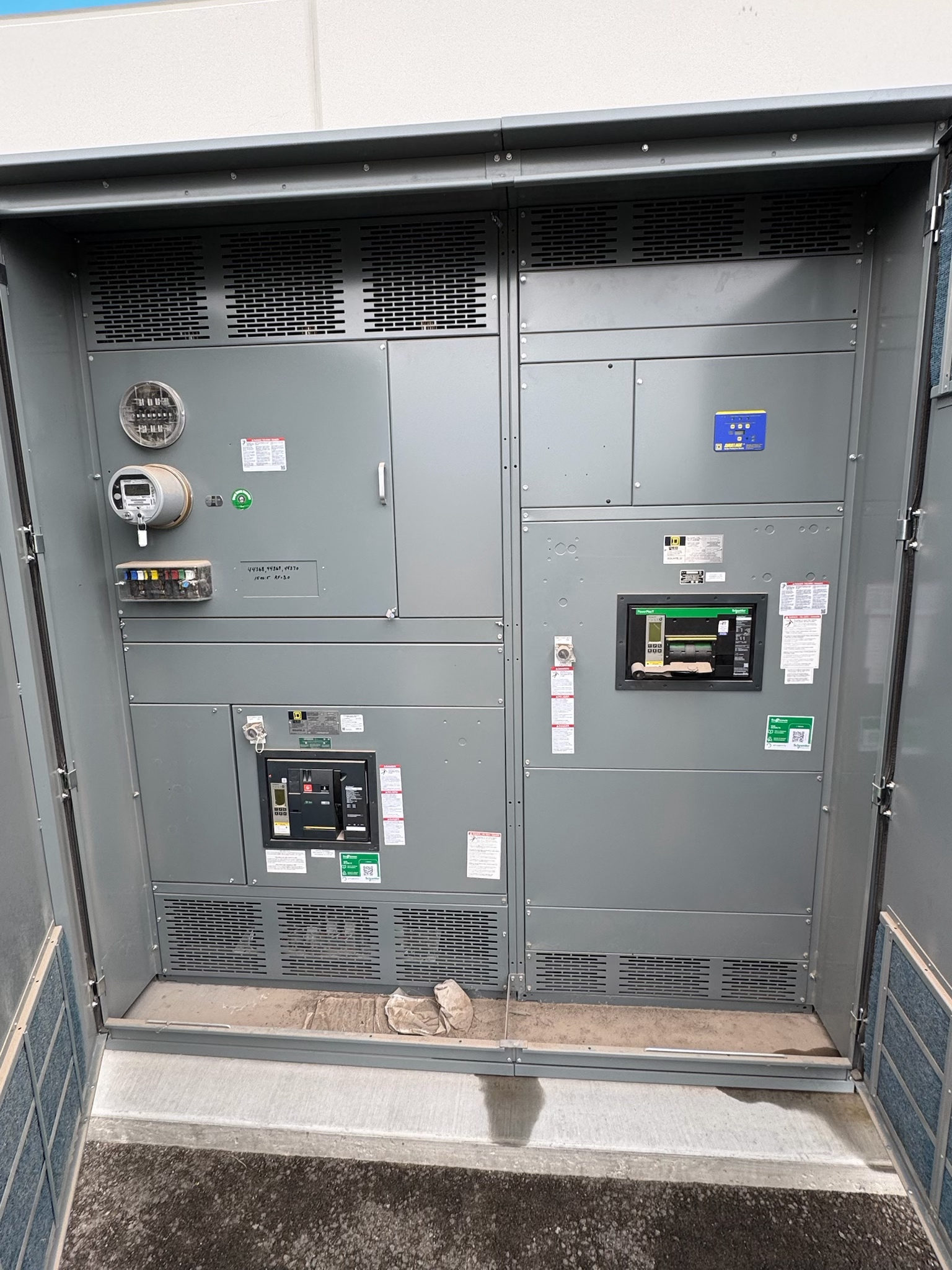
What a New Switchgear Quote Covers
A pricing and quote FAQ is a useful starting point when planning a new electrical equipment purchase for a facility, expansion, or replacement project. A quote is based on the equipment and scope described—not a universal price for a product category. For Central Texas projects, begin by identifying what the assembly must serve, where it will be installed, and how it fits into the larger electrical design. The project may call for a switchboard, switchgear, or another assembly, and those terms are not interchangeable. Sharing the design intent early helps clarify what equipment is being quoted and which project decisions still need resolution.
A complete request can identify the equipment type, quantity, applicable drawings or specifications, required options, and the anticipated procurement schedule. It should also state whether the request is budgetary or intended for a defined purchasing decision. If some details are not yet established, note them as open items rather than treating assumptions as confirmed requirements. That distinction helps keep the quote review productive and makes it easier for the project team to compare proposals on scope, exclusions, and assumptions—not price alone.
Technical Details That Affect Pricing
Electrical and physical requirements can change both the proposed design and its cost. The project team should provide the applicable system voltage, current requirements, fault-current information, service arrangement, number and type of circuits, and any required metering or protective functions. These values must come from qualified electrical professionals and project documents; they should not be inferred from a building type or an existing piece of equipment. Equipment ratings and construction must be reviewed for the application, and no rating should be assumed suitable without that review.
Installation conditions also matter. Confirm the intended indoor or outdoor location, available space, access and handling constraints, cable entry preferences, and any environmental conditions that affect the design. Enclosure requirements and physical dimensions depend on the specific assembly and installation. Drawings, site constraints, and the project specification can expose conflicts before a quote is finalized. Where requirements are incomplete, ask which information is needed to refine the proposal and identify any items that remain subject to engineering review.
Custom Design, Options, and Applicable Standards
Custom assemblies can be developed to project specifications, but customization should be defined in terms of documented requirements. Examples include arrangement, control or metering provisions, protective devices, connections, and coordination with adjacent equipment. Each option can affect engineering, materials, documentation, and the quote scope. Specify required features where possible and distinguish them from preferences that could be considered if they affect cost or schedule. A clear priority list helps the design team evaluate alternatives without quietly omitting a required function.
Ask which standards apply to the proposed equipment and whether a particular listing is required by the project. UL 891 applies to suitable switchboard assemblies; it does not automatically apply to every switchgear product or to medium- or high-voltage equipment. Other equipment types and ratings follow standards applicable to their design and use. Any listing or compliance statement must be confirmed for the specific assembly. The project specification, qualified electrical professionals, and relevant authorities should guide the final determination.
Drawings, Review, and Testing Coordination
Before placing an order, review the quote against the one-line diagram, equipment schedule, specification, and site constraints. Confirm quantities, interfaces, ratings, options, assumptions, and exclusions, then identify discrepancies for resolution. A drawing review can help align the quoted configuration with cable connections, upstream and downstream equipment, and the intended installation. Agree on the documents needed for design review and who will provide comments or approval. These steps reduce the risk of treating a preliminary configuration as an accepted final design.
Ask what inspection, verification, or testing is included in the quoted scope and what records will be provided. Do not assume a particular test, certification, or acceptance process unless it is stated and confirmed for the assembly. Testing and commissioning responsibilities may involve the manufacturer, project team, and other qualified parties, depending on the project. Coordinate requirements early, including any witness or documentation expectations, and confirm that the specified process aligns with the project documents and applicable standards.
Lead Time and Procurement Planning
Lead time is determined by the project and should be confirmed against the defined equipment scope, design status, and procurement conditions. Ask whether the quoted schedule begins after order acceptance, receipt of required information, or approval of drawings, and clarify which milestones affect it. Custom options, incomplete specifications, and changes during review can influence the plan. Treat an estimated schedule as project-specific rather than a delivery commitment until its basis and conditions are documented.
For a Central Texas project, coordinate equipment procurement with the construction schedule, site readiness, access for delivery, and the sequence for installation by the project’s qualified parties. A US-built assembly using all-American components may be considered as part of procurement planning, but it does not by itself establish availability or a particular delivery date. The manufacturer can ship nationwide; confirm shipment scope, destination details, and timing in the project quote. Keep the latest approved equipment documents aligned with the purchasing record.
How to Request and Compare a Quote
To request a useful quote, gather the current one-line diagram, equipment schedule, specification, quantity, location, target procurement milestones, and a list of required options. Mark information that is preliminary and identify the person responsible for resolving open technical questions. State whether you need a budgetary estimate or pricing for a defined scope. If the project requires particular documentation, testing, or a suitable UL 891 assembly, say so explicitly and request confirmation that the requirement applies to the proposed equipment.
When comparing quotes, check that each proposal covers the same equipment, ratings, options, documentation, testing, and delivery assumptions. Review exclusions and unresolved items alongside price, and request clarification in writing when scope differs. Before proceeding, have qualified electrical professionals review the design and confirm project requirements with relevant authorities. A practical next step is to issue the latest coordinated documents, list decisions still pending, and ask the manufacturer to identify what additional information is needed to prepare or refine the new-equipment quote.
Project specification checklist
Use this checklist to organize the details for a project-specific review. Final ratings, applicable standards and equipment selections depend on the approved design.
| Item | What to confirm |
|---|---|
| Application and equipment type | Confirm the served system, intended function, equipment category, quantity, and relationship to adjacent equipment. |
| Electrical requirements | Provide project-verified voltage, current, fault-current data, circuit needs, and protective or metering functions. |
| Installation conditions | Document location, enclosure requirements, available space, access, cable entry, and relevant environmental conditions. |
| Standards and documentation | Identify applicable project standards, any required listing, drawings, submittals, test records, and approval expectations. |
| Commercial scope and schedule | State quote purpose, options, exclusions to resolve, procurement milestones, destination, and schedule assumptions. |