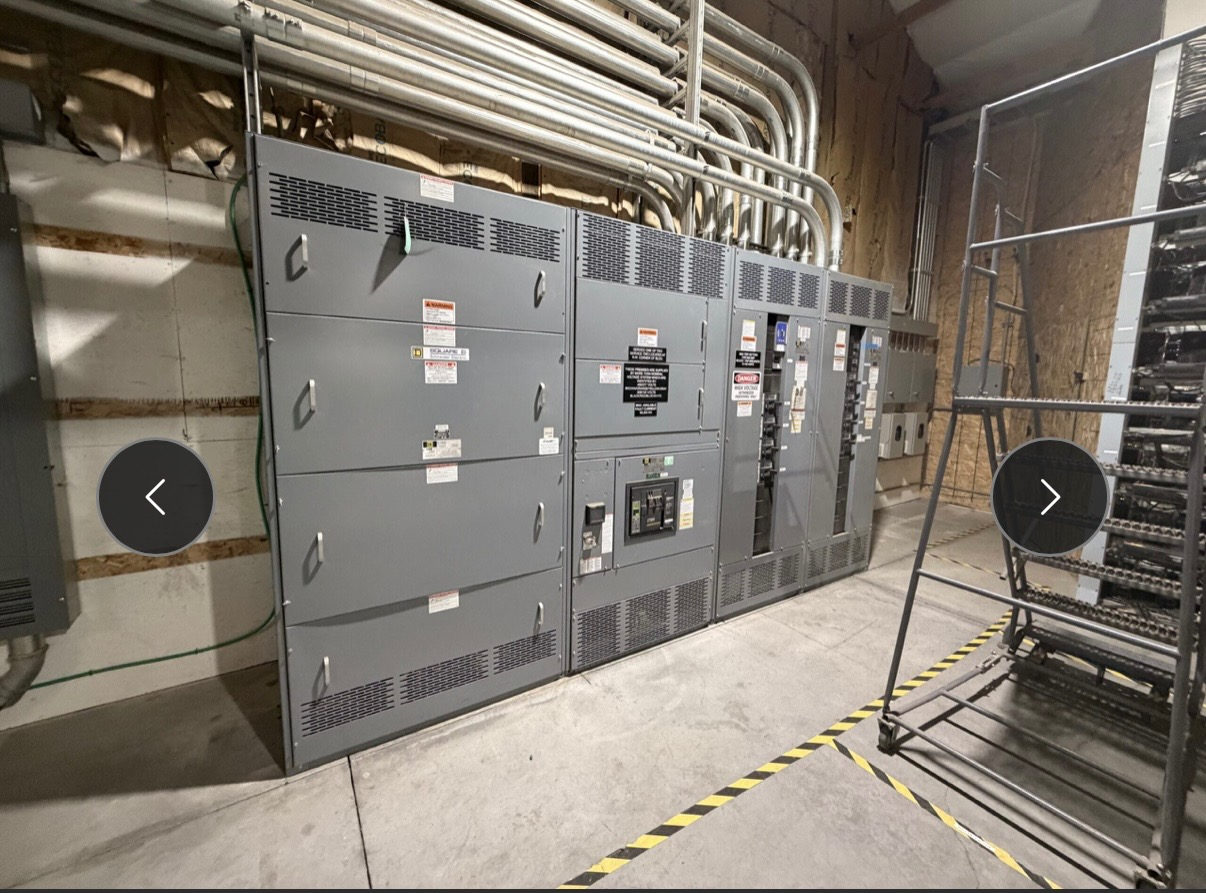
What a Custom Switchgear Quote Covers
Custom switchgear pricing reflects the equipment needed for a particular electrical application, not a single standard price per lineup or panel. The quote scope may include the assembly, specified devices, internal connections, engineering, documentation, and agreed inspections or tests. What belongs in that scope depends on the project and the equipment type. A switchboard, low-voltage switchgear assembly, and medium-voltage equipment are not interchangeable categories; their design requirements and applicable standards differ. A useful pricing and quote FAQ starts by defining the intended function, system interfaces, and deliverables so that the price can be evaluated against the same scope by all parties.
A quote should distinguish included work from items that remain by others. For example, confirm whether the scope includes only factory-built equipment or also defined coordination documents, special packaging, or other requested deliverables. Do not assume field installation, energization, or site services are included. Clear boundaries reduce the risk of comparing a complete proposal with one that excludes important project requirements.
Configuration and Electrical Application
Configuration is a primary cost driver because it determines how the assembly is arranged and what functions it must perform. Relevant inputs include the one-line diagram, source and load arrangement, number and type of circuits, feeder and main-device functions, metering or control needs, and required separation or access provisions. Physical constraints also matter: available room, lineup arrangement, cable entry and exit direction, and connection points can influence the design. These details should come from current project documents rather than assumptions based on another installation.
Electrical selection must be verified for the specific system. Provide nominal system voltage, frequency, continuous current requirements, available fault-current information, and protection or coordination criteria when established by the project team. These are not universal ratings or automatic capabilities. Qualified electrical professionals must confirm suitability, and applicable standards depend on the equipment design and project. UL 891 applies to suitable switchboard assemblies; it should not be presumed for every custom switchgear product.
Engineering Choices and Interfaces
Engineering effort varies with how complete and coordinated the input package is, the degree of customization, and the interfaces the assembly must support. A straightforward arrangement based on settled drawings differs from a design requiring unresolved circuit details, unusual physical constraints, or multiple rounds of coordination. Provide the latest one-line and relevant specifications, drawings, schedules, and control requirements. Identify the document revision and flag open decisions so they can be addressed before the quote is treated as a firm basis for procurement.
Interfaces deserve particular attention because a design can be technically sound yet fail to match adjacent systems if assumptions are missed. Confirm connections to transformers, generators, distribution equipment, protective relays, building controls, and incoming or outgoing conductors as applicable. Document who supplies interface data and who approves it. State requirements for communications, metering signals, control power, and terminal access where relevant. A defined responsibility matrix helps clarify engineering scope and avoid pricing allowances based on unstated assumptions.
Components, Enclosure, and Options
Component selection influences both material cost and design complexity. Specify the required functions and selection criteria for circuit breakers or other protective devices, metering, relays, control components, bus arrangements, and accessories. If a particular manufacturer or model is required, identify it; otherwise, describe the necessary performance and interface requirements for review. Avoid treating a device name or nominal rating as proof of compatibility. The assembly design, system conditions, and applicable requirements must be checked together before a component choice is accepted.
Enclosure and construction decisions also affect the quote. Provide the intended installation environment, indoor or outdoor location, access constraints, cable routing, and any project-defined enclosure or corrosion requirements. Confirm dimensions and space limitations with the responsible design team. Enclosure type, voltage, and fault-current rating are project-specific selections, not default features. If the design or site conditions are not yet settled, identify them as open items; the resulting proposal may need qualification or revision when confirmed.
Testing, Documentation, and Schedule Inputs
Testing requirements should be stated explicitly because the requested scope can vary. Identify required factory inspections, routine tests, witness points, reports, and documentation, if applicable to the equipment and project. The quote should clarify which activities are included and which require separate agreement. Testing is not a substitute for design review, installation checks, or commissioning. Applicable standards and verification requirements depend on the assembly and its intended use, so the project team should confirm them rather than assume a particular listing or test applies.
Schedule expectations also shape procurement planning. Share the required equipment-on-site date, approval milestones, drawing review timing, and any dependencies on other equipment or construction. Lead time is determined by the project, configuration, component selections, and the status of approved information; no timing should be inferred without review. For a US-built assembly using all-American components, the quote still depends on the confirmed specification and scope. Nationwide shipment can be arranged, with shipping destination and delivery coordination identified during quoting.
Prepare a Clear Request for Pricing
To request pricing for new switchgear, assemble the latest one-line diagram, equipment specification, load or circuit schedule, available fault-current data, physical layout, and interface requirements. Include the project location, desired delivery timing, preferred or required components, applicable standards identified by the design team, and any requested testing or documentation. Mark items that are preliminary, and list decisions still pending. This gives the manufacturer a basis to identify assumptions, exclusions, and information needed before the design can be finalized.
When reviewing a proposal, compare configuration, device functions, engineering deliverables, test scope, shipping, and exclusions—not just the total price. Ask which assumptions could change the quote and what approvals are needed to proceed. Confirm responsibility for final design data and review it with qualified electrical professionals and relevant authorities. Custom assemblies can be built to specification, but suitability, ratings, and applicable requirements must be established for the actual project before equipment is released.
Project specification checklist
Use this checklist to organize the details for a project-specific review. Final ratings, applicable standards and equipment selections depend on the approved design.
| Item | What to confirm |
|---|---|
| Electrical system data | Confirm system voltage, frequency, current requirements, fault-current information, and protection criteria with the project design team. |
| Configuration and circuits | Provide the current one-line diagram, circuit schedule, device functions, metering needs, and required arrangement. |
| Physical and environmental conditions | Confirm dimensions, installation environment, enclosure requirements, cable routing, access, and connection interfaces. |
| Components and standards | Identify required devices, specified manufacturers if any, and standards or listings confirmed as applicable to the design. |
| Testing and deliverables | State requested factory tests, witness points, reports, drawings, and other documentation for the proposal to include or exclude. |
| Procurement and delivery | Share approval milestones, required delivery date, destination, open decisions, and dependencies affecting the project schedule. |