Start with the Equipment, Not a Sales Description
To answer “how can a listing be verified?” for new switchgear, check the equipment being furnished and its supporting records—not a general product statement or an assumption based on a similar assembly. A listing applies within a defined scope, which may depend on equipment type, construction, ratings, and options. First identify the intended application and the exact assembly under review. A switchboard listing, for example, does not establish that medium-voltage or high-voltage equipment is listed to the same standard. The applicable standard and evaluation route depend on the design and project. Ask for evidence tied to the proposed equipment configuration and confirm that the claim covers the product being specified.
Read the Markings on the Actual Assembly
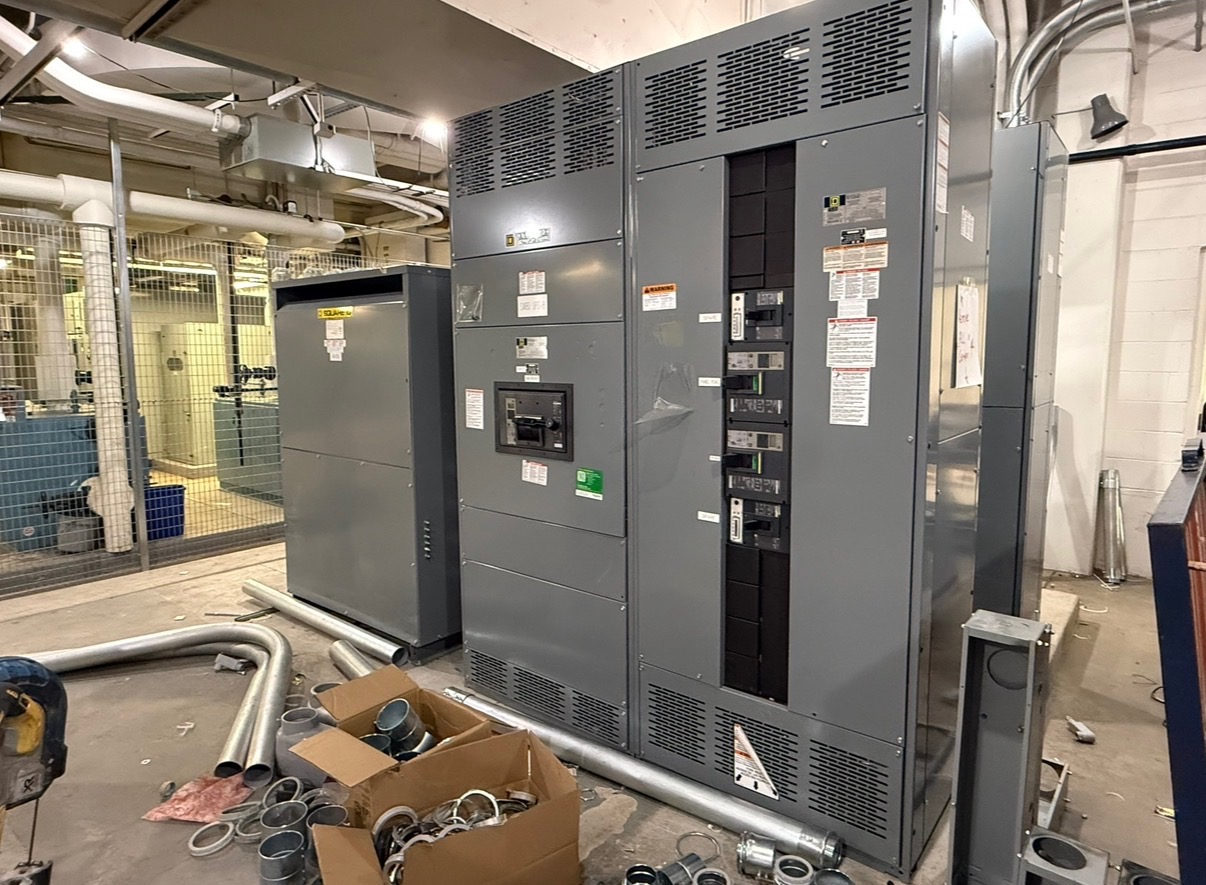
When the new equipment is available for inspection, review its product labels and markings as part of the verification process. Confirm that the identifying information is legible and corresponds to the equipment documents, including the manufacturer and model or assembly identification where provided. Check any stated standard, listing mark, ratings, and other conditions against the project requirements; do not infer a rating or approval from appearance alone. Markings can be on an assembly label or component labels, and component recognition does not by itself establish that the complete assembly is listed. For equipment not yet built, request confirmation of the planned marking and how it will identify the final configuration before accepting the submittal.
Match the Documentation to the Listing Claim
Request listing documentation that identifies the product or assembly and explains the scope of the evaluation. Compare its identifiers and conditions with the submittal, drawings, bill of materials or approved configuration records, and the equipment markings. Check whether the documentation concerns a complete assembly, a component, or a particular construction; these are not interchangeable claims. Confirm that options, modifications, enclosure choices, and interfaces are included within the documented scope or otherwise evaluated as required. If the paperwork is incomplete, refers to another model, or leaves a limitation unclear, ask the manufacturer or responsible qualified professional to resolve the discrepancy. A generic certificate or copied label image is not enough to establish applicability.
Check the Project Inputs That Define Applicability
Verification needs the project context as well as product evidence. Gather the one-line diagram, system voltage and grounding information, available fault-current data, required protective-device coordination, load and feeder details, and the installation environment. Confirm who specifies the equipment and which standards and authority requirements govern the project. Enclosure, accessibility, cable entry, bus connections, metering, and control interfaces may affect the proposed design and whether the documented configuration applies. Do not treat any rating or enclosure description as universally suitable. A qualified electrical professional should reconcile project inputs with the manufacturer’s design documents, and relevant authorities should determine applicable code and acceptance requirements. Resolve missing inputs before the listing claim is treated as settled.
Coordinate Submittal Review and Testing
During procurement, make the listing evidence a defined submittal item rather than a late-stage question. Ask for drawings, equipment identification, applicable standards, and documentation showing the scope and limitations of any listing claim. Review revisions carefully: a change to construction, protective devices, accessories, or interfaces can affect what was evaluated and what must appear on the final marking. Clarify what inspections or tests are included in the project documents and which records will be supplied; do not assume a specific test, certification, or approval. Factory or field testing does not independently prove a listing. Coordinate open questions among the manufacturer, specifying engineer, installer, and authority having jurisdiction before release or acceptance.
Use a Clear Verification Checklist Before Approval
Before approving new switchgear, record the exact equipment identity, the listing claim being made, the applicable standard, the documentation reviewed, and any stated conditions or exclusions. Compare that record with the final approved drawings and, when delivered, the actual markings. If the project uses custom assemblies, verify that the requested options and interfaces remain within the documented evaluation scope; UL 891 may be relevant to suitable switchboard assemblies, but it does not automatically apply to every switchgear product. For a mismatch, hold the affected approval and request written clarification or corrected evidence rather than relying on an informal assurance. This process gives the project team a practical basis to decide whether the proposed equipment meets its specified requirements.
Project specification checklist
Use this checklist to organize the details for a project-specific review. Final ratings, applicable standards and equipment selections depend on the approved design.
| Item | What to confirm |
|---|---|
| Equipment identity | Confirm the model, assembly identification, and configuration match the submittal and final product markings. |
| Listing scope | Determine whether evidence covers the complete assembly, a component, and the specific options furnished. |
| Applicable standard | Have the project team confirm which standard applies to the equipment type and design. |
| Project requirements | Reconcile system data, fault-current information, interfaces, environment, and authority requirements. |
| Documentation and changes | Review listing records and revisions; resolve any mismatch or limitation before approval. |