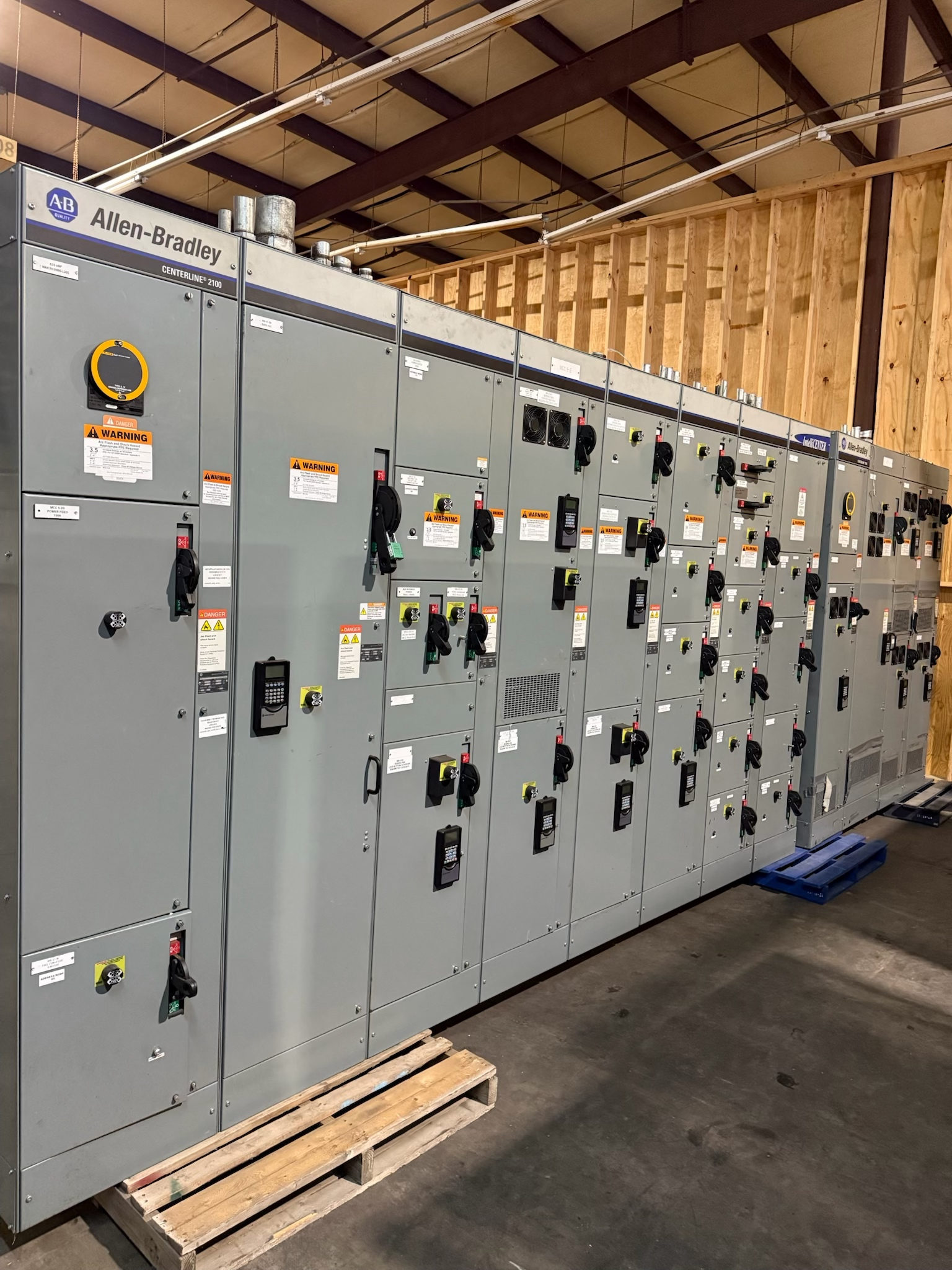
Start with the project’s applicable standards
Standards and testing questions for new switchgear begin with the equipment’s intended role, construction, and installation conditions. A switchboard, low-voltage switchgear lineup, and medium-voltage equipment are not interchangeable categories, and one standard or listing should not be assumed to cover them all. For Central Texas projects, the design team should identify the governing project specifications, applicable codes, and requirements established by the authority having jurisdiction before selecting equipment.
Use those requirements to frame the manufacturer’s review. Confirm the equipment type, system voltage, application, indoor or outdoor location, and any specified environmental or fault-duty conditions. Qualified electrical professionals should determine which standards apply and whether the proposed design meets the project documents. A standards reference is a starting point for verification, not a substitute for reviewing the actual assembly and its intended use.
What does a UL 891 reference establish?
UL 891 applies to suitable switchboard assemblies; it is not a blanket certification for every product described as switchgear. When a project calls for UL 891, confirm that the equipment being proposed is within the standard’s scope and that the specific assembly is represented as compliant. Do not infer that medium-voltage or high-voltage equipment, or a differently configured product, is covered simply because another assembly from the same manufacturer follows UL 891.
Ask for documentation that identifies the applicable standard and the scope of the proposed equipment. Compare that information with the specification, one-line diagram, and equipment schedule, including any project-required options or modifications. If the documents appear inconsistent, resolve the question before release for production. Other equipment may follow different standards, and applicable requirements depend on design and project conditions.
How should ratings and configurations be verified?
A listing or standards reference does not establish that an assembly has the ratings required for a particular installation. The project team must confirm system voltage, continuous current, available fault current, short-circuit rating and duration where applicable, and the intended protective-device arrangement. Enclosure type and environmental suitability also require project-specific review. These characteristics are not universal capabilities, and no rating should be accepted without checking the proposed design against the installation and governing documents.
Provide the manufacturer with current project information, such as the one-line diagram, equipment schedule, specification, and known interface requirements. Identify feeder quantities, metering or control needs, and space or cable-entry constraints when they affect the design. Qualified electrical professionals should verify system calculations and coordinate any assumptions with the engineer and relevant authorities. A change in source conditions, protective devices, or configuration can affect whether the design remains suitable.
What testing should the project team expect?
Testing questions should distinguish design evaluation, manufacturing quality checks, and any project-specific inspection or acceptance activities. The specification may identify required tests, records, witnessing, or documentation, but the applicable scope depends on the equipment and project. Ask what testing is included for the proposed assembly, what results or records can be provided, and whether any requested activity must be separately defined. Do not assume that a general statement about testing means every project requirement is covered.
Before approving a submittal, compare the proposed test and documentation scope with the contract documents and commissioning plan. Clarify who reviews results, how nonconformances are handled, and whether inspection or witness points affect the production schedule. Testing and inspection are not permission to work on energized equipment; installation, commissioning, and safety procedures belong with qualified professionals under applicable requirements.
Coordinate custom design and procurement early
Custom assemblies can be built to specification, but project-specific options must be reconciled with applicable standards and the design basis. Document the required ratings, arrangement, control and metering interfaces, enclosure conditions, and any constraints at connections to adjacent equipment. Identify deviations or open questions in writing rather than relying on a general product description. This makes it easier for the design team to evaluate compliance before procurement decisions become difficult to revise.
For a Central Texas project, coordinate document reviews, approval responsibilities, and delivery-site logistics with the project schedule. Equipment is built in the USA using all-American components and can ship nationwide; lead time depends on the project and should be confirmed for the actual scope. Confirm what information is needed for a complete quotation and submittal, and settle technical exceptions before authorizing production. Availability or a delivery date should not be assumed until confirmed.
A practical checklist before approving submittals
Begin with a focused review: does the submittal identify the equipment category and applicable standards, and does its scope match the project specification? Then compare the proposed ratings and configuration with the latest one-line diagram, schedules, fault-duty information, and environmental conditions. Verify that required options, interfaces, test documentation, and project-specific inspection points are addressed. Record unresolved items, assign them to the responsible engineer or authority, and obtain written clarification before final approval.
When requesting a review, send the current design documents and state which standards, listings, and test records the project requires. Ask for a clear response on applicability, proposed assembly scope, exceptions, and documentation that will accompany the equipment. Connect open topics to the detailed standards, ratings, listing, and testing pages so reviewers can examine each issue directly. Final acceptance remains subject to qualified professional review and the applicable authorities; a web FAQ cannot establish compliance for a specific installation.
Project specification checklist
Use this checklist to organize the details for a project-specific review. Final ratings, applicable standards and equipment selections depend on the approved design.
| Item | What to confirm |
|---|---|
| Equipment category | Confirm whether the project requires a switchboard, low-voltage switchgear, medium-voltage equipment, or another assembly type. |
| Applicable standard | Identify standards required by the project and verify they apply to the specific equipment and configuration. |
| Listing scope | Confirm any required listing applies to the proposed assembly; UL 891 is for suitable switchboards, not all switchgear. |
| Electrical and environmental ratings | Verify project-specific voltage, current, fault-duty, protective-device, and enclosure requirements against the design. |
| Testing and records | Specify required tests, inspection or witness points, and documentation; confirm what is included for the proposed scope. |
| Submittals and schedule | Provide current project documents, resolve exceptions, and confirm project-dependent lead time and shipping coordination. |