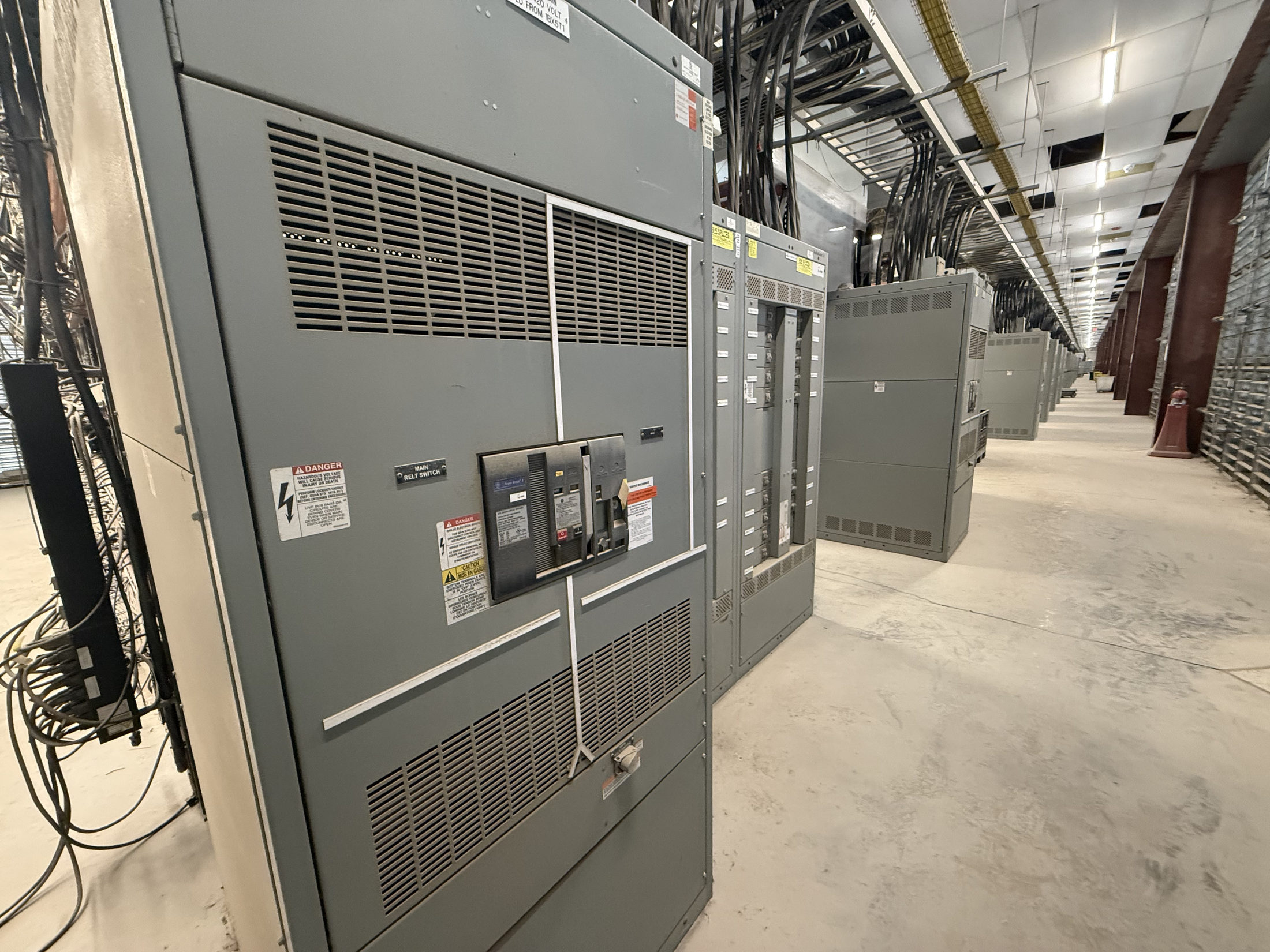
What UL 891 Means for a Switchboard Project
UL 891 is a safety standard for dead-front switchboards. It establishes construction and evaluation requirements for assemblies within its scope; it is not a general approval for every piece of electrical distribution equipment. When a project asks for a UL 891 switchboard, the request should be tied to the equipment’s actual function and configuration, not treated as a shorthand for all new switchgear.
Applicability depends on the design and the project requirements. A switchboard and a medium-voltage or high-voltage assembly are not interchangeable categories, and UL 891 should not be presumed to cover equipment outside its scope. The project team should identify the equipment type, applicable standards, and required evidence of conformance during specification review.
Confirm the Equipment Boundary and Intended Use
Start by defining what the assembly must do: receive power, distribute it to downstream circuits, provide switching or overcurrent protection, or coordinate with other equipment. Clarify whether the specified item is a switchboard, switchgear, or part of a larger lineup. Names are sometimes used loosely in early project documents, so confirm the intended equipment boundary before selecting a standard.
Document where the assembly connects to the system and what equipment is inside or outside the supplied scope. Relevant interfaces can include the incoming source, transformers, downstream distribution, protective devices, metering, and control or communications connections. These details help determine whether UL 891 is applicable to the proposed assembly and what other project requirements must be addressed.
Inputs That Shape Selection and Design
A useful review begins with the one-line diagram and the electrical study information available for the project. Confirm system voltage, phase and wire arrangement, source configuration, available fault-current information, and the protection and coordination requirements established by qualified electrical professionals. Do not select an interrupting or short-circuit rating from a generic assumption; the design must be checked against the actual system and applicable requirements.
Also identify the service and load arrangement, feeder count and destinations, metering needs, operating sequence, and any required future provisions. Physical constraints matter too: available space, access, cable entry and exit, environmental conditions, and the project’s specified enclosure requirements should be reviewed. No enclosure type, rating, or configuration is universally suitable; confirm each against the location and design.
Project-Specific Construction and Interfaces
A UL 891 design is not a one-size-fits-all package. Bus arrangement, section layout, protective devices, metering, and control features must match the approved drawings and specification. The team should resolve equipment boundaries, terminal and cable requirements, and connection points with adjacent systems early enough to avoid assumptions between the switchboard supplier, electrical engineer, contractor, and other equipment providers.
Review how the assembly will be handled and integrated at the site, including lineup dimensions, access route, working space, cable routing, and sequencing with related equipment. These are coordination questions, not a substitute for site-specific engineering or installation planning. The manufacturer can develop custom assemblies to specification, but the proposed design and standard applicability must still be verified for the project.
Testing, Documentation, and Standard Verification
Ask what documentation will establish that the supplied assembly meets the specified requirements. Where UL 891 is appropriate, confirm that the standard applies to the actual switchboard configuration and that the requested listing or evaluation is explicitly addressed in the procurement documents. UL 891 does not automatically apply to every product or establish compliance with unrelated system, installation, or performance requirements.
Clarify the manufacturer’s design-review and production-test documentation available for the specific order, and distinguish those records from field acceptance testing or system commissioning. Identify who will review drawings, approve submittals, and resolve deviations. Applicable standards and testing depend on equipment design and project scope; qualified electrical professionals and relevant authorities must determine and verify what is required.
A Practical Path from Specification to Order
Before requesting a proposal for new equipment, assemble the one-line diagram, equipment schedule, written specification, fault-current and coordination information, load and feeder details, and site constraints. Mark any unresolved items rather than filling gaps with assumed ratings or standard applicability. Ask the supplier to identify the proposed equipment category, applicable standards, included interfaces, and information still needed to complete design review.
For a project in Austin or elsewhere in Central Texas, coordinate the submittal and delivery plan with the project schedule, site access, and the parties responsible for receiving and integrating the equipment. The manufacturer builds in the USA, uses all-American components, offers custom assemblies to specification, and can ship nationwide; lead time is determined by project. Confirm schedule and requirements against the final approved design before ordering.
Project specification checklist
Use this checklist to organize the details for a project-specific review. Final ratings, applicable standards and equipment selections depend on the approved design.
| Item | What to confirm |
|---|---|
| Equipment category | Confirm whether the specified assembly is a switchboard within UL 891 scope or another type of switchgear. |
| Applicable standard | Verify the standard and any required listing or evaluation for the actual design; do not assume UL 891 applies. |
| System data | Provide project-verified voltage, source configuration, available fault-current information, and protection requirements. |
| Arrangement and interfaces | Define incoming and outgoing connections, feeder destinations, metering, controls, and boundaries with adjacent equipment. |
| Site and schedule | Confirm dimensions, access, cable routing, environmental and enclosure requirements, submittal dates, and project-specific lead time. |