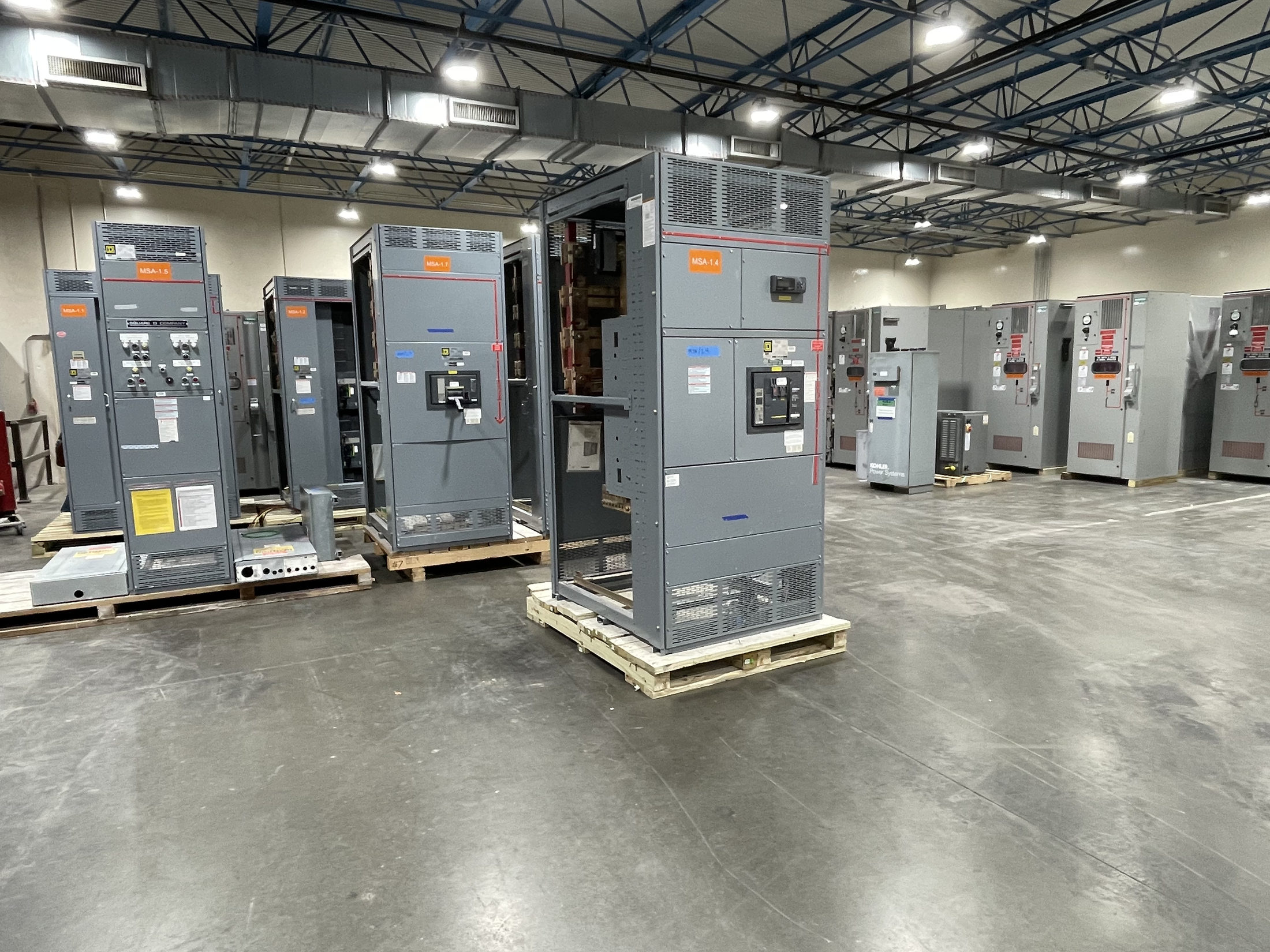
Who Reviews a Switchgear Submittal?
A switchgear submittal is a project-specific design package, not simply a product brochure. It gives the project team a basis to check whether proposed new equipment matches the electrical design, site conditions, operating needs, and procurement requirements. The engineer of record typically leads technical review, but the owner, electrical contractor, utility, and equipment supplier may each need to review defined portions. Their responsibilities overlap at interfaces such as service entrance, protective devices, controls, and physical connections, so the review plan should identify who decides and who provides information.
Review is not a substitute for design responsibility, code compliance, or approval by authorities having jurisdiction. Applicable standards, testing requirements, and any product listing depend on the equipment type and its intended use. The project documents should establish those requirements rather than assume one standard applies to every assembly.
Engineer: Verify Design Intent and Ratings
The engineer compares the submittal with the approved drawings and specifications. That review can include system voltage, bus arrangement, feeder count, protective-device types, metering, control power, grounding, available fault-current information, and required interrupting or withstand ratings. Each value must suit the actual system and be coordinated with upstream and downstream equipment; no rating is acceptable merely because it appears on a catalog page. The engineer also checks dimensions, cable entry and termination assumptions, equipment access, and connection points against the project layout.
The engineer should identify deviations clearly and resolve them before approval, including any proposed substitutions or exceptions. Standards and testing criteria must be reviewed for the specific assembly and application. UL 891 may apply to suitable switchboards, but it should not be presumed applicable to all switchgear or to medium- or high-voltage equipment.
Owner: Confirm Operations and Site Requirements
The owner or its designated representative reviews whether the proposed equipment supports facility operations and the stated project requirements. Relevant decisions may include preferred operating arrangement, metering and monitoring needs, labeling conventions, maintainability, spare provisions, access clearances, environmental conditions, and integration with existing systems. The owner should confirm which operational requirements are mandatory and which are preferences, then route technical questions to the engineer rather than changing electrical design criteria informally.
Site information is particularly important when replacing or expanding existing infrastructure. Confirm the available footprint, delivery route and access constraints, room conditions, existing cable locations, and required shutdown or tie-in assumptions with the project team. These inputs can affect enclosure and assembly design, but final suitability depends on documented conditions and qualified review. The submittal should record assumptions that still need field confirmation.
Contractor and Utility: Resolve Field Interfaces
The electrical contractor reviews constructability and installation interfaces against the contract documents. Typical checks include shipping and assembly dimensions, lifting or handling constraints, conduit and cable entry locations, termination space, grounding connections, field wiring, and sequencing with other trades. The contractor should flag conflicts or missing site dimensions early and coordinate proposed field changes through the engineer and owner. A submittal approval should not be treated as authorization to alter the design or proceed with unreviewed deviations.
Where utility service is involved, the utility may review service characteristics, metering, protection, connection arrangements, and other requirements within its jurisdiction or service rules. Its review scope and approval process vary by project. The contractor and engineer should identify utility interfaces and obtain current project-specific requirements; utility review does not replace the engineer’s equipment coordination or approvals required by relevant authorities.
Supplier: Document the Proposed Assembly and Testing
The supplier prepares the proposed equipment information against the project specification and identifies the configuration, included components, options, exceptions, and assumptions. A useful submittal allows reviewers to trace each requirement to a drawing, schedule, data sheet, or written response. The supplier should clarify unresolved inputs rather than silently selecting values, especially where fault-current data, protective-device coordination, control interfaces, physical dimensions, or utility criteria affect the design.
Testing and compliance documentation must match the specific equipment and applicable requirements. Confirm what design documentation, routine production checks, or other test evidence the project requires, who will witness or review it, and when records are due. Do not infer a particular listing, test scope, or field service from a general product description. The engineer and owner should determine acceptance criteria; the supplier should state what documentation applies to the proposed assembly.
Set Review Gates Before Releasing Equipment
Before procurement release, circulate a coordinated package with the latest one-line diagram, equipment schedules, specifications, site dimensions, cable and conduit information, protective-device requirements, control and metering points, and utility criteria where relevant. Assign reviewers and return dates, record comments in one response set, and distinguish approval, rejection, and approval subject to stated corrections. Resolve conflicts in writing, then issue the final approved configuration for production. For a custom assembly, confirm that every accepted change is reflected in the drawings and scope.
For a project in Austin or elsewhere in Central Texas, plan submittal timing around the project schedule and coordinate shipment requirements with the contractor and site team; delivery timing depends on the project and equipment configuration. A practical next step is to ask the engineer to identify missing design inputs, have the contractor verify site interfaces, and request the supplier’s requirement-by-requirement response. Confirm applicable standards and review responsibilities before release, not after equipment is committed.
Project specification checklist
Use this checklist to organize the details for a project-specific review. Final ratings, applicable standards and equipment selections depend on the approved design.
| Item | What to confirm |
|---|---|
| Design basis | Confirm system data, one-line diagram, schedules, fault-current information, and protective-device coordination criteria. |
| Physical interfaces | Verify dimensions, room conditions, access, cable entry, termination space, grounding, and field connection assumptions. |
| Review ownership | Identify engineer, owner, contractor, utility, and supplier review scopes, decision authority, and comment deadlines. |
| Standards and compliance | Determine applicable standards and any listing requirements for the specific equipment type and project. |
| Testing records | Define required test evidence, documentation format, review or witness responsibilities, and delivery timing. |
| Release conditions | Close deviations, document approved changes, and confirm the final reviewed configuration before procurement release. |