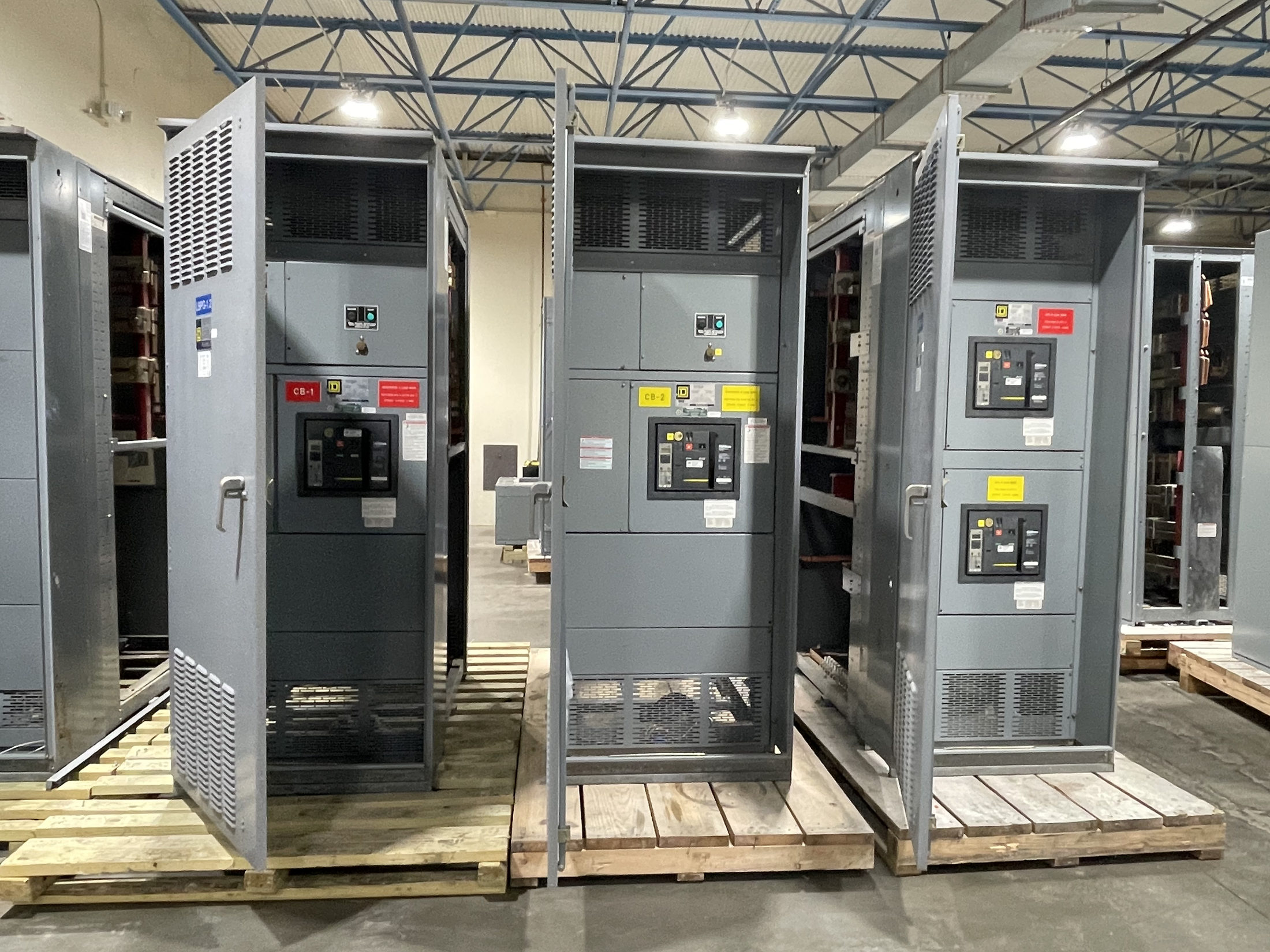
Bill of Materials Definition for Switchgear Projects
A bill of materials (BOM) is an itemized record of the components and quantities planned for a defined product or project scope. For new switchgear, it can identify major assemblies, devices, accessories, and other specified items needed to describe the equipment being procured. Its purpose is to make scope visible: buyers, designers, manufacturers, and project teams can check what is included, what is excluded, and which details still require confirmation.
A BOM is not, by itself, a complete electrical design, installation plan, or promise that every item is suitable for a particular site. Its usefulness depends on the underlying drawings, specifications, operating requirements, and approved revisions. Treat it as a controlled project document that supports specification review and procurement—not as a substitute for qualified engineering judgment or review by relevant authorities.
What the Itemized List Helps Teams Coordinate
During procurement, an itemized list gives stakeholders a shared way to discuss equipment scope before orders and schedules are finalized. It can help identify which switchgear assemblies and specified components belong to the project, distinguish included accessories from separately supplied items, and expose gaps between the equipment proposal and the project documents. For a manufacturer building new equipment, a well-defined BOM also provides a basis for confirming the intended assembly against the customer’s approved requirements.
The list should be read alongside its references, such as equipment schedules, one-line diagrams, specifications, and arrangement drawings, as applicable. Teams should clarify document precedence and revision status rather than assume that a component named in one file automatically overrides a conflicting requirement elsewhere. Early comparison helps reduce ambiguity, but any discrepancy affecting design or scope needs resolution by the responsible project professionals before procurement proceeds.
Inputs That Shape BOM Content
The project’s electrical and physical requirements determine which details belong in a switchgear BOM. Relevant inputs may include system voltage, continuous current needs, fault-duty requirements, number and function of circuits, source and load connections, metering or control requirements, and the intended operating arrangement. These are project-specific design inputs, not universal product capabilities. Qualified electrical professionals must establish and verify the applicable values and requirements for the installation.
Physical and environmental conditions can also affect equipment selection and configuration. Confirm the installation location, available space, cable entry and termination needs, access constraints, and any specified environmental or enclosure requirements. The BOM should reflect the approved design basis, not guesses made to fill an incomplete schedule. If required inputs are missing or inconsistent, record them as open questions and obtain direction before treating the itemized list as final.
Interfaces, Scope Boundaries, and Design Choices
A useful BOM makes interfaces visible as well as listing equipment. Project teams should confirm how the switchgear connects to upstream sources, downstream equipment, protective relaying, metering, control wiring, communications, and grounding, where those functions are part of the defined scope. They should also identify responsibility for items at the boundary: for example, whether specified cables, external controls, or field-supplied accessories are included with the new equipment or provided by others.
Design choices should be traceable to the project documents. The BOM may distinguish assembly sections, functional units, options, and accessories, but labels should be clear enough to compare against drawings and specifications. Verify that each selected component suits its intended function and interfaces; do not infer compatibility from a familiar part name alone. Applicable standards and any required listing depend on the equipment design and project, so confirm them for the specific assembly rather than assuming a blanket designation.
Revision Control, Review, and Testing Coordination
A BOM can change as the design develops. Keep a revision identifier, date, and relationship to the governing drawings or specification so reviewers can tell which itemization is current. When a change is proposed, assess its effects on interfaces, performance requirements, documentation, and procurement scope. Substitutions or omissions should be reviewed by the responsible parties and approved through the project’s change process; an updated list should not silently erase unresolved decisions.
Coordinate inspection and testing expectations with the equipment specification and applicable project requirements. Confirm what documentation or test records are required, who reviews them, and how the equipment scope aligns with those expectations. Testing and standards vary by equipment type and design; UL 891 applies to suitable switchboard assemblies, not automatically to every switchgear product. Qualified professionals should verify applicable requirements and acceptance criteria before they are treated as settled.
Practical BOM Review Before Procurement
Before requesting a final quotation or releasing procurement documents, compare the BOM with the latest approved one-line diagram, equipment schedule, specification, and interface information. Check descriptions, quantities, functional roles, options, and exclusions; flag ambiguous terms, missing values, and conflicts in writing. Ask the manufacturer to identify assumptions and confirm which project inputs are needed to complete the review. This process supports accurate scope alignment without treating an incomplete list as a final design.
For a practical handoff, maintain an open-items log that names each question, the document or component it concerns, the responsible reviewer, and the decision needed. Confirm revision ownership and how approved changes will be reflected in the BOM and related documents. These steps help procurement compare like-for-like equipment scope and give project teams a clear basis for coordination. Final selection remains subject to specification review by qualified electrical professionals and relevant authorities.
Project specification checklist
Use this checklist to organize the details for a project-specific review. Final ratings, applicable standards and equipment selections depend on the approved design.
| Item | What to confirm |
|---|---|
| Document basis | Confirm governing specifications, drawings, schedules, revision dates, and document precedence. |
| Electrical requirements | Verify project-established voltage, current, fault duty, circuit functions, and operating needs. |
| Interfaces and scope | Identify connections, controls, accessories, exclusions, and items furnished by others. |
| Physical conditions | Confirm installation space, cable entry, access, and specified environmental or enclosure requirements. |
| Standards and testing | Determine applicable standards, listing expectations, inspection, and test documentation for the specific design. |