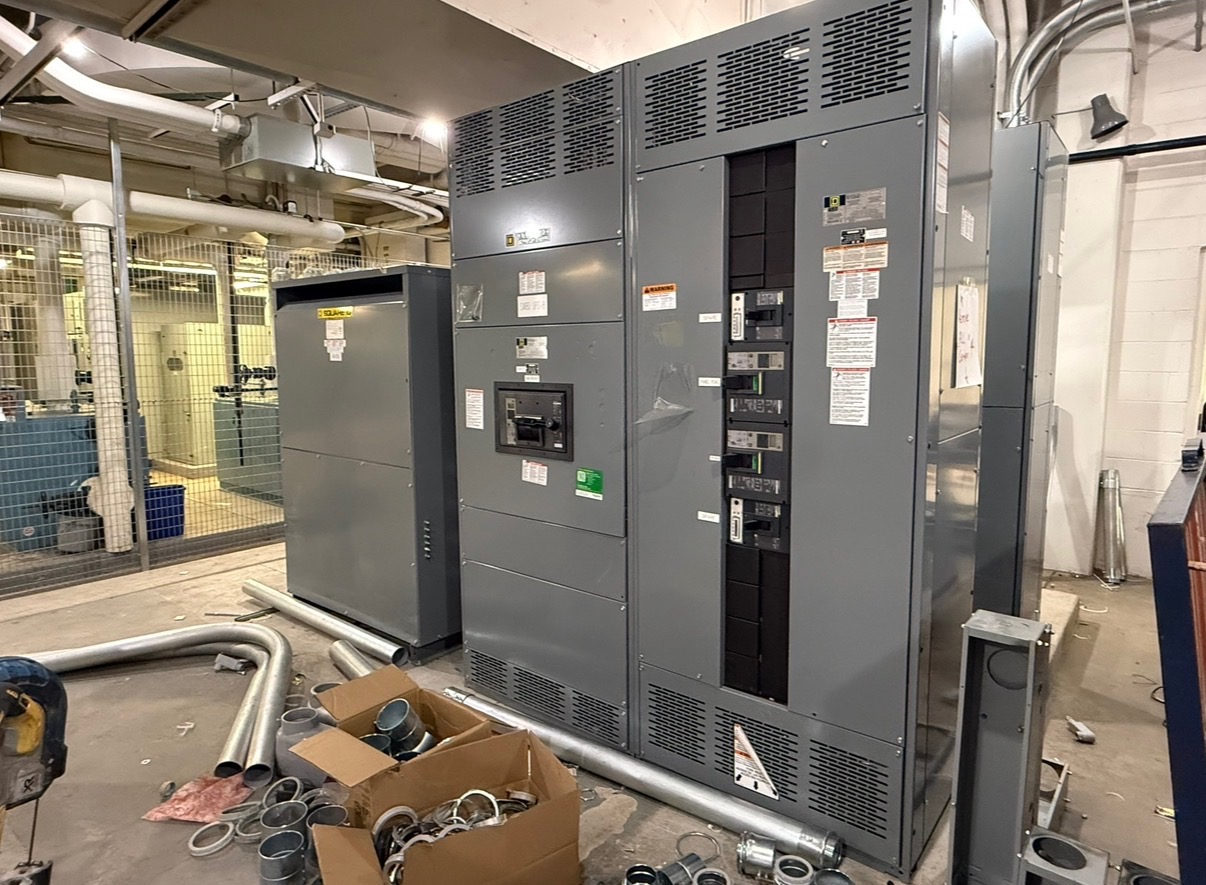
Submittal definition for a new switchgear project
A submittal is project information provided for review against contract documents before specified work proceeds. For new switchgear, it commonly describes the proposed equipment and shows how its design, ratings, arrangement, and interfaces respond to the project requirements. The submittal is not a substitute for the contract, nor does sending it by itself establish approval. Its purpose is to make the proposed solution reviewable and to identify questions while decisions can still be coordinated.
In procurement and project glossary use, “submittal” may refer to a package of drawings, schedules, technical data, and responses to specified requirements. The required contents and review sequence vary by contract. The owner, engineer, contractor, and manufacturer should use the project’s stated procedures to determine what is required, who reviews it, and whether review comments require a revised package.
Inputs that shape the review package
A useful review starts with the current contract documents and project criteria. Relevant inputs may include one-line diagrams, equipment schedules, load and system information, performance requirements, site and room constraints, and the project’s specified standards. The package should identify the documents and revisions used as its basis, so reviewers can distinguish a deliberate design choice from an outdated assumption.
Procurement timing also matters: the package should connect the proposed configuration to the project’s scope and identify open information that could affect design or release. For example, a missing system parameter, unclear feeder designation, or unresolved room dimension can prevent meaningful review. Qualified electrical professionals should establish or verify technical criteria; the manufacturer should not infer project-specific requirements from a generic equipment description.
Technical selection criteria to make visible
Reviewers need enough information to assess whether the proposed new switchgear matches the intended application. Depending on the equipment and project, this can include system voltage, continuous current needs, short-circuit duty, bus arrangement, protective-device requirements, metering, control features, and environmental conditions. These values are not universal capabilities: each must be checked against the system study, contract criteria, equipment design, and applicable requirements.
The submittal should make the basis for selection clear and flag any item needing confirmation. Enclosure construction, access, service conditions, and physical dimensions can affect suitability as much as electrical characteristics. Standards and listings depend on equipment type and design; UL 891 may apply to suitable switchboard assemblies, but it should not be presumed for every switchgear product. The project team should verify applicability rather than treat a glossary term as a compliance determination.
Design choices and interface coordination
A submittal also communicates project-specific design choices: lineup arrangement, section sequence, incoming and outgoing connections, cable entry assumptions, and the location of controls or metering. Drawings should be coordinated with room access, working clearances, structural supports, conduit or bus connections, and adjacent electrical equipment. These interfaces cross trade and design boundaries, so dimensions and connection details should be compared with the current architectural, structural, and electrical information.
Where the project includes protective relays, communications, remote signals, or other controls, the package should identify relevant interface points and required information. Confirm who supplies, configures, and connects each component under the contract; do not assume responsibilities from a drawing alone. Resolving these matters during review can reduce later changes, but any revision still needs documented coordination with affected disciplines and approval under the project’s established process.
Review, comments, and verification
Contract review is a decision process, not merely a document receipt. Reviewers may mark a package approved, approved with comments, revise and resubmit, or use another status defined by the contract. Comments should be answered against the applicable requirement, and revised drawings or data should clearly identify changes. The team should track outstanding decisions and maintain a controlled record so procurement and design stakeholders work from the same revision.
Testing requirements should also be handled as project-specific submittal information. Confirm whether the contract calls for particular factory inspections, routine tests, witness points, or documentation, and identify the responsible parties and notice requirements. Do not assume a test scope, result, or standard applies without confirmation. Field installation and acceptance activities are separate considerations that require coordination by qualified professionals and relevant authorities; a reviewed submittal alone does not verify the completed installation.
Practical next steps before procurement release
Before requesting or reviewing a package, assemble the governing specifications, current drawings, system study inputs, room and interface information, and the contract’s submittal schedule. Identify the decision-makers, review duration required by the project, required formats, and any hold points before fabrication or procurement release. If information is incomplete, record the question, its owner, and the decision needed instead of silently filling the gap.
For a manufacturer preparing new switchgear, a clear scope and coordinated inputs support a more useful proposal and review package. Confirm revisions, equipment boundaries, ratings, connections, control interfaces, applicable standards, and any specified testing in writing. Then resolve review comments through the contract process before treating the design as settled. Final technical acceptance remains project-specific and should be determined by qualified electrical professionals and the authorities responsible for the work.
Project specification checklist
Use this checklist to organize the details for a project-specific review. Final ratings, applicable standards and equipment selections depend on the approved design.
| Item | What to confirm |
|---|---|
| Contract basis | Confirm governing specifications, drawing revisions, scope boundaries, and required submittal format. |
| System criteria | Verify project-specific voltage, current, fault-duty, protection, and environmental requirements. |
| Physical interfaces | Coordinate lineup dimensions, access, cable entry, supports, and connections with current project drawings. |
| Controls and responsibilities | Identify communications, signals, supplied components, and which party owns each interface. |
| Review and testing | Confirm reviewer, review status process, required tests or inspections, witness points, and documentation. |