Lead time is an interval to a defined milestone
In new switchgear procurement, lead time is the planned interval between an agreed starting event and a specified project milestone. The phrase is incomplete unless both endpoints are named. For example, a schedule might measure from receipt of an accepted purchase order and complete, approved design inputs to the date equipment is ready to ship. That is different from measuring through delivery to the site, completion of field installation, or energization. A quoted interval should therefore be read as a schedule assumption, not a universal promise or a single measure of every activity.
For procurement and project teams, defining the milestone makes comparisons meaningful. Ask whether the interval ends at design release, factory completion, shipment, or another agreed event, and whether review periods are inside or outside the count. Confirm how calendar days, working days, holidays, and customer response time are treated. Record the definition in the purchase documents and schedule so engineering, purchasing, construction, and the manufacturer are working to the same endpoint.
The start date depends on complete project inputs
A purchase order alone may not establish the schedule start if essential technical information remains open. Depending on the project, inputs can include the one-line diagram, load and feeder data, system voltage, available fault-current information, protection requirements, equipment location, and applicable environmental or enclosure conditions. The responsible electrical professionals must validate these details for the actual system; a preliminary value or assumption should not be treated as approved design data.
Also identify what constitutes a complete order package: approved submittals, final drawings, interface information, and resolution of exceptions may affect when design and production work can proceed. Clarify who supplies each item, who reviews it, and the response period expected from each party. If information is missing or changes after approval, determine how the schedule will be reassessed rather than assuming the original interval remains unchanged.
Technical selection affects the schedule basis
Lead time cannot be separated from the equipment definition. New switchgear selection may involve system voltage, continuous current requirements, short-circuit duty, protective-device arrangement, bus configuration, metering, controls, and the physical connection to upstream and downstream equipment. Each rating and feature requires project-specific engineering review. No rating, configuration, or enclosure condition should be presumed suitable until qualified professionals verify it against the system, site conditions, and applicable requirements.
The schedule basis should state whether the requested assembly is a standard configuration or a custom design built to project specifications. Custom sections, unusual interfaces, specified components, or late changes can add design review and coordination steps. Where UL 891 is relevant, confirm that the particular assembly is suitable for that standard and that the project requires it; it does not automatically apply to every type of switchgear. Applicable standards and evaluation depend on equipment design and project requirements.
Interfaces and approvals create schedule dependencies
Equipment rarely moves through a project in isolation. Confirm interfaces with transformers, distribution equipment, protective relays, building or plant controls, cable entry and termination plans, and the physical space available for installation. Depending on the design, teams may need to coordinate connection dimensions, control wiring, communication points, access, and shipping or handling constraints. These are project inputs to resolve, not capabilities to assume from a general lead-time statement.
Map the review sequence and identify decision owners. The project may require engineering approval, owner review, consultant comments, or coordination with other suppliers before drawings can be released. Establish a target date for each decision and a process for recording revisions. If a change affects ratings, layout, components, or interfaces, ask which milestones and dates need to be updated. Clear responsibility and timely decisions help distinguish equipment production time from waiting on project approvals.
Testing, shipment, and site readiness are separate milestones
Ask what factory checks or tests are included in the specified equipment scope and when they occur. Test requirements should be defined for the design and contract; do not infer a particular test program, listing, or acceptance from the word lead time. If witness testing, documentation review, or customer attendance is required, confirm the planned notice and approval steps and whether they fall within the quoted interval. Qualified project personnel should review the applicable requirements and acceptance criteria.
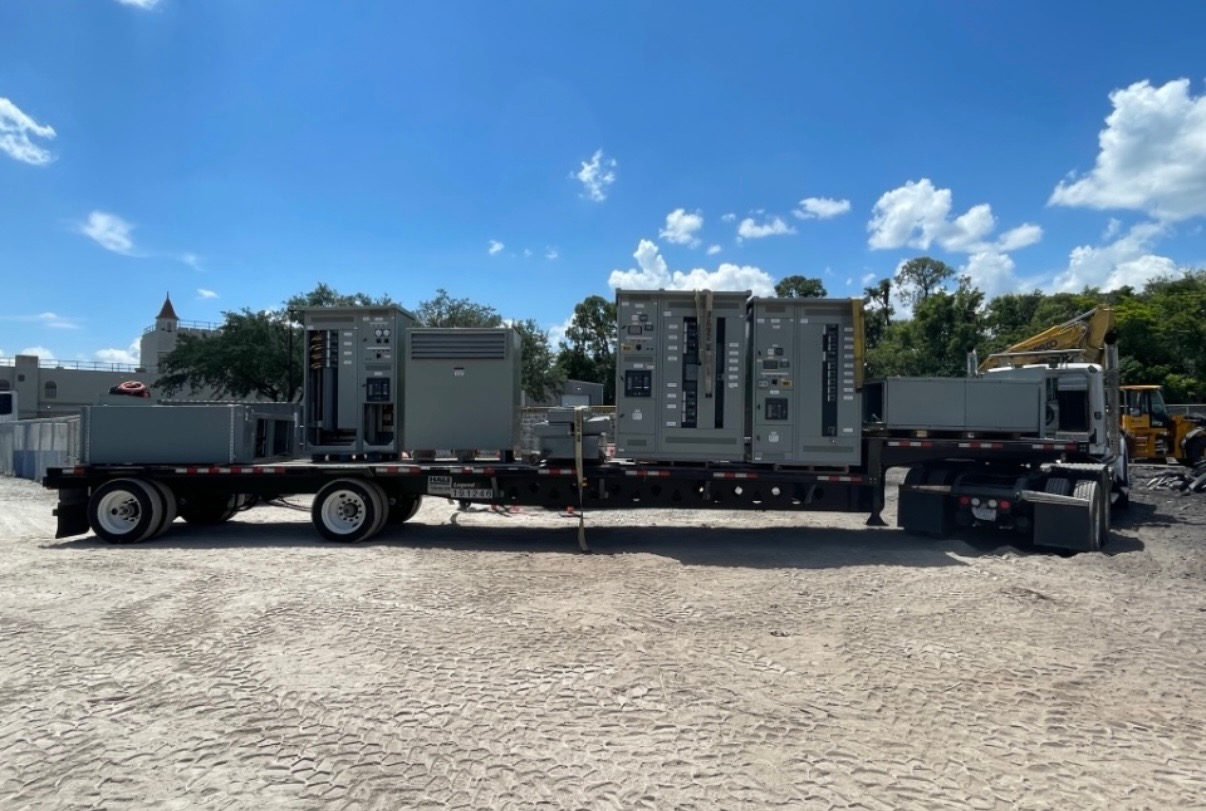
A factory-complete or ship-ready date does not necessarily mean equipment has arrived, been installed, or is ready for energization. Confirm the delivery destination, receiving access, unloading responsibility, site storage conditions, and coordination with construction sequencing. Shipping duration and site readiness may be separate schedule activities. Installation, connections, inspections, and energization require project-specific planning by qualified personnel and relevant authorities; avoid treating them as included unless the scope explicitly says so.
Turn the definition into a usable procurement record
Before comparing schedules for new switchgear, request the interval in writing with its start event, end milestone, time basis, included activities, and key assumptions. Capture the design status, required approvals, open technical decisions, and any customer-furnished information. Ask how the schedule is updated if an input changes, an approval is delayed, or a specified component or design choice affects the plan. A manufacturer building in the USA with all-American components may offer custom assemblies and nationwide shipment, but project-specific lead time still depends on scope and review.
Use a milestone table that assigns an owner and target date to purchase-order acceptance, input completion, drawing approval, release, factory completion, and shipment, as applicable. Separate manufacturing from freight, receiving, installation, and commissioning in the overall project schedule. Then have procurement, engineering, construction, and the manufacturer verify that the assumptions match the contract and site plan. This makes the lead time definition actionable: teams can see what must be decided, who must act, and which date the stated interval actually describes.
Project specification checklist
Use this checklist to organize the details for a project-specific review. Final ratings, applicable standards and equipment selections depend on the approved design.
| Item | What to confirm |
|---|---|
| Start event | Confirm the event that begins the interval, such as accepted order plus complete, approved inputs. |
| End milestone | Name the exact endpoint, such as drawing release, factory completion, or ship-ready date. |
| Time basis | Clarify calendar or working days and how holidays, review periods, and customer response time are counted. |
| Design inputs | List required electrical data, drawings, ratings, interfaces, and site conditions, with an owner for each. |
| Approvals and changes | Identify review responsibilities and how revisions or delayed decisions affect the schedule. |
| Beyond factory scope | Confirm whether freight, site receipt, installation, testing, and energization are separate milestones. |