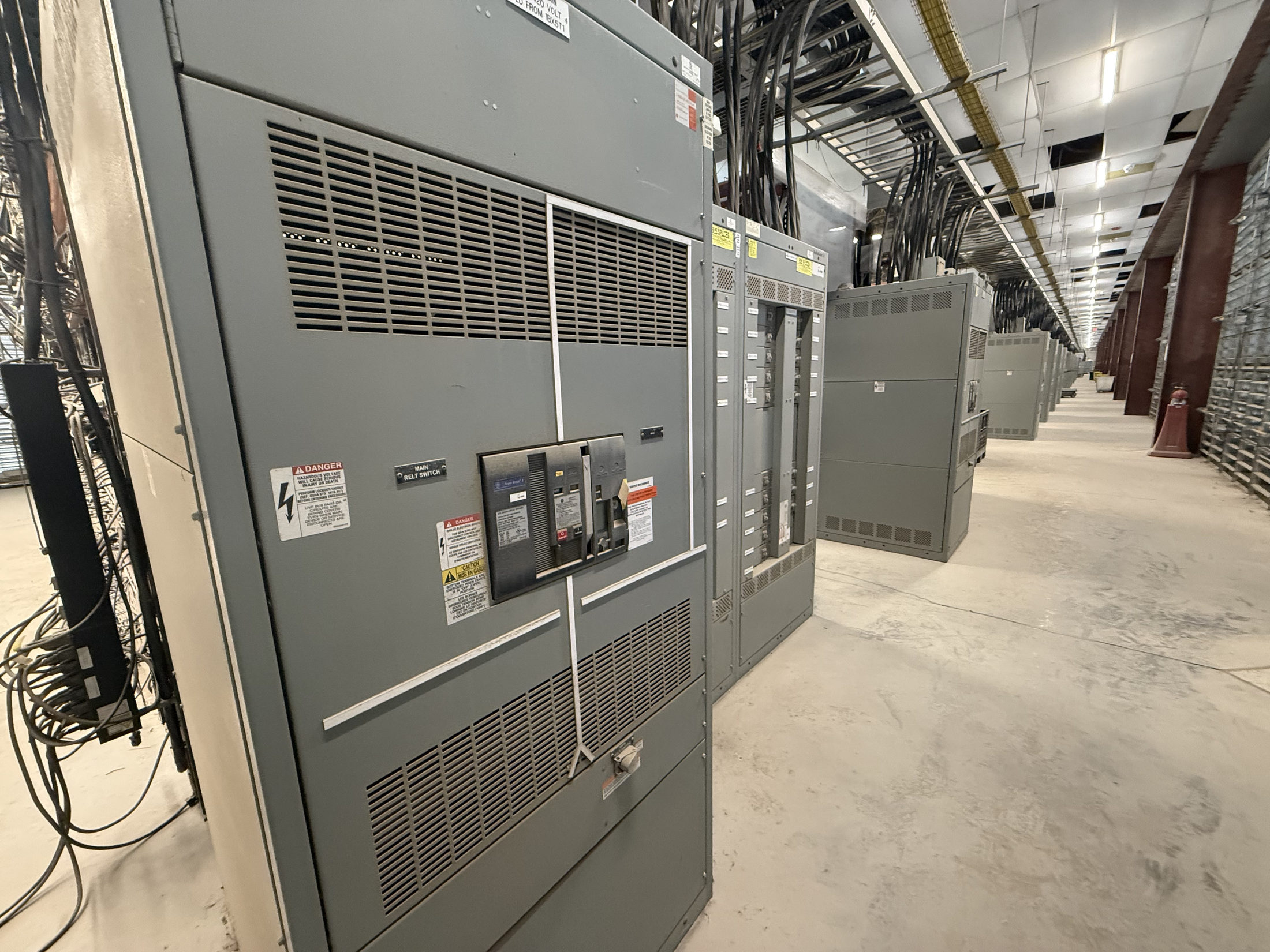
Request for quote definition for new switchgear
A request for quote (RFQ) is a buyer’s formal invitation for a supplier to price and describe equipment that meets a defined project need. For new switchgear, the RFQ should make clear what equipment is requested, where it fits in the electrical system, and which documents or services are included in the requested scope. It is a procurement document, not an equipment rating or a substitute for engineering review.
A useful RFQ gives manufacturers enough information to identify open questions before preparing a proposal. The buyer can then compare responses on a consistent basis: equipment scope, stated assumptions, exclusions, schedule basis, and commercial terms. A price without a well-defined scope can be difficult to compare and may not represent the same design or interfaces across proposals.
Define the application and system context
Start with the equipment’s role: for example, whether the request concerns a switchboard or another switchgear assembly, and how it connects to the source and downstream loads. Share the one-line diagram, project specifications, load or feeder schedules, and available fault-current information when applicable. Identify the electrical system voltage, frequency, phase configuration, and grounding method as project data for qualified review, rather than assuming a standard configuration.
Describe the facility application, operating requirements, and any known environmental conditions that may affect design. Include the installation location and relevant space, access, and connection constraints. These inputs help the manufacturer assess what can be quoted and what needs clarification. Confirm that system studies and equipment selection are being reviewed by qualified electrical professionals; the RFQ alone does not establish that a proposed design is suitable.
State technical selection criteria clearly
Specify required ratings and performance criteria only where they have been established for the project. These may include continuous current, interrupting or withstand requirements, and the enclosure environment, but each must be selected for the actual system and installation. Provide the basis for the values, such as project documents or an engineer’s direction, and flag items awaiting confirmation. Do not treat a rating or enclosure type as universally appropriate.
Identify preferred or required construction details, such as bus arrangement, breaker or switch types, metering, protective devices, control power, and communications, if these decisions are defined. State the applicable standards and listing requirements from the project specification, subject to design review. UL 891 applies to suitable switchboards; it should not be presumed to cover every switchgear assembly. Applicable standards and certifications depend on equipment design and project requirements.
Resolve interfaces and project-specific choices
An RFQ should show how the requested assembly connects to other equipment and project systems. Note incoming and outgoing cable or bus connections, conductor entry direction, termination expectations, and coordination with transformers, generators, transfer equipment, or downstream distribution where relevant. Share interface drawings and identify who is responsible for providing mating equipment, field wiring, and connection details. Confirm dimensions and access requirements against the project layout rather than relying on an assumed footprint.
Separate mandatory requirements from preferences and unresolved decisions. Ask the buyer’s engineering team to identify options that affect the design, such as compartment arrangements, controls, metering, or communication protocols. Record required submittals, drawing review milestones, and any project-specific inspection or testing expectations. This lets a quote describe its basis and exceptions instead of silently making choices that could conflict with the broader electrical design.
Use the RFQ to compare scope, testing, and price
Request a written scope that identifies the equipment included, design assumptions, exclusions, and documents provided. Ask the supplier to state the pricing basis and identify options separately so procurement can compare proposals without confusing optional features with the base scope. Clarify quote validity, payment terms, shipping basis, and the schedule basis; lead time depends on the project and should be confirmed in the proposal rather than assumed.
For testing and quality documentation, specify what the project requires and ask what is included in the proposed scope. Distinguish routine production checks from any requested witnessing, third-party inspection, or project-specific testing, and verify feasibility before treating it as committed. Review proposed standards, drawings, and deviations with the responsible engineer and relevant authorities. A complete comparison considers technical compliance and interface fit alongside price, not price alone.
Prepare a complete request and close open items
Before issuing the RFQ, assemble the current one-line diagram, specifications, schedules, site constraints, interface information, and a list of required deliverables. Mark document revisions and identify the person responsible for answering technical questions. Include the requested delivery destination and project milestones so suppliers can state a realistic schedule basis. For a Central Texas project or a project elsewhere, clarify shipping and receiving coordination; do not assume site installation or other field service is included.
After receiving proposals, create a clarification log for missing data, exceptions, and decisions that affect scope or price. Reconcile each response against the same revision set, then have qualified electrical professionals review ratings, interfaces, and standards applicability before procurement approval. Resolve open items in writing and carry agreed scope into the purchase documents. This process makes an RFQ useful not merely as a request for a number, but as a controlled definition of the new equipment being considered.
Project specification checklist
Use this checklist to organize the details for a project-specific review. Final ratings, applicable standards and equipment selections depend on the approved design.
| Item | What to confirm |
|---|---|
| System information | Confirm one-line diagram, voltage, frequency, grounding, and available fault-current data with the project engineering team. |
| Equipment scope | Identify assembly type, boundaries, included components, and any options to be priced separately. |
| Ratings and environment | Provide project-established electrical ratings and installation conditions; require qualified review for suitability. |
| Interfaces | Document source and load connections, conductor entry, mating equipment, and responsibility for field connections. |
| Standards and verification | State project-required standards, listings, submittals, and testing, subject to applicability and design confirmation. |
| Commercial basis | Confirm delivery destination, schedule assumptions, quote validity, exclusions, and shipping or receiving responsibilities. |