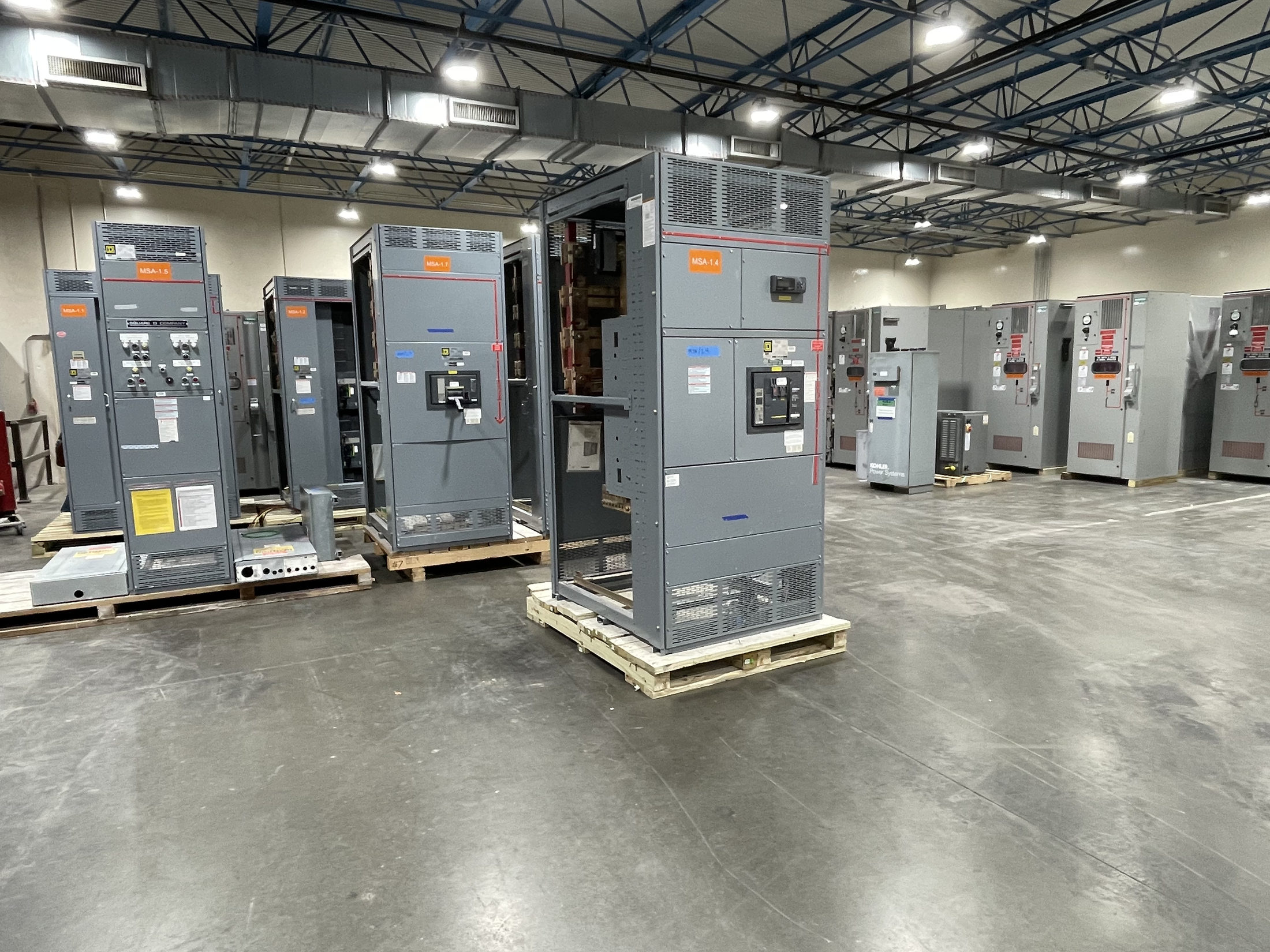
Commissioning Definition for New Switchgear
A commissioning definition describes a planned process for checking that newly installed equipment is configured, connected, and documented in accordance with the approved project requirements before it is placed into operation. For new switchgear, commissioning is not a single test or a substitute for installation, inspection, or maintenance. It brings together design intent, equipment documentation, installation records, and test results so qualified project personnel can assess readiness.
The process is specific to the equipment and facility. A low-voltage switchboard and medium-voltage gear may have different design requirements, applicable standards, test methods, and interfaces. No rating, listing, or test procedure should be presumed from the word commissioning alone. The project team establishes the scope, acceptance criteria, responsibilities, and required approvals before work begins.
Inputs That Shape the Verification Plan
A useful commissioning plan starts with the current approved drawings and specifications, equipment submittals, operating sequence, and installation information. Relevant inputs may include one-line diagrams, control schematics, protective-device settings, grounding details, cable schedules, and the intended source and load connections. The team should identify document revisions and resolve discrepancies before using them as test references.
Site conditions and project boundaries also matter. Confirm which equipment is included, what upstream and downstream devices affect its operation, and whether control power, communications, interlocks, or monitoring systems are part of the scope. Document constraints such as access, outage windows, and required permits through the project process. Qualified electrical professionals and the authority having jurisdiction determine applicable requirements and acceptance criteria.
Design Choices and Equipment Interfaces
Commissioning is easier to plan when equipment selection reflects the intended application and the interfaces are clear. Project reviewers should confirm the required voltage, continuous current, short-circuit duty, system configuration, enclosure conditions, and environmental requirements against the actual design. These are project-specific values, not universal capabilities. The selected assembly and protective devices must suit the system study, operating needs, and applicable standards.
Interfaces deserve explicit review: incoming and outgoing conductors, grounding and bonding, control wiring, metering, communications, and interlocks can each affect verification. Identify who provides interface components and who confirms their connections. For suitable switchboard assemblies, UL 891 may apply; it does not automatically apply to every switchgear type or project. Applicable standards and any required listing depend on the assembly design and project documentation.
Planned Checks, Tests, and Coordination
The commissioning plan should distinguish visual and mechanical inspections from electrical tests and functional demonstrations. Depending on the design and approved scope, checks may address assembly condition, labeling, grounding, wiring, protective-device settings, control functions, and interlock sequences. The plan identifies test methods, prerequisites, instruments or records required, acceptance criteria, and the qualified parties responsible for each activity.
Coordination prevents a test from being mistaken for authorization to energize. Establish the sequence with the project’s electrical professionals, equipment suppliers, installers, controls representatives, and facility stakeholders as applicable. Confirm isolation, access, permits, and communications under the site’s safety procedures; do not perform work on energized equipment based on glossary guidance. Any issue found should be recorded, assigned for resolution, and retested as required before the project decision to operate.
Records and Readiness Decisions
Commissioning documentation creates a traceable basis for reviewing readiness. A project record commonly identifies the equipment and documents tested, approved revisions, test date and scope, results, exceptions, corrective actions, and retest outcomes. Include relevant settings and functional-test results in the form required by the project. Clear records help distinguish an accepted result from an open item or a test that was not performed.
The commissioning team should define who reviews the records and who has authority to accept outstanding items or approve operation. Equipment documentation alone does not establish that installation is correct or that a facility is ready. Decisions must account for applicable codes, project specifications, site procedures, and direction from qualified professionals and relevant authorities. Preserve final records with facility documentation so future troubleshooting and maintenance can refer to the verified configuration.
Planning Commissioning During Procurement
Bring commissioning requirements into procurement rather than waiting until equipment reaches the site. Provide the manufacturer with the approved equipment specification, relevant drawings, interface requirements, documentation expectations, and any project-specific inspection or test requirements. Clarify which checks are performed during manufacturing, which occur after installation, and which require coordination with other systems. Custom assemblies can be built to specification, but scope and details must be reviewed for the particular project.
For a practical next step, create a responsibility matrix and document list before approving submittals. Mark unresolved ratings, interfaces, test criteria, or standards for review by the engineer and other qualified parties; do not treat assumptions as acceptance criteria. A US manufacturer using all-American components can ship nationwide, while lead time depends on project requirements. Early review helps align equipment procurement, site planning, and the planned verification process without presuming a delivery date or site service.
Project specification checklist
Use this checklist to organize the details for a project-specific review. Final ratings, applicable standards and equipment selections depend on the approved design.
| Item | What to confirm |
|---|---|
| Approved design basis | Confirm current drawings, specifications, equipment submittals, and revision status used to define commissioning scope. |
| System ratings and application | Verify voltage, current, fault duty, system configuration, and environmental conditions against project engineering documents. |
| Interfaces and responsibilities | Identify equipment boundaries, wiring and control interfaces, responsible parties, and required coordination. |
| Test scope and criteria | Document applicable inspection and test methods, prerequisites, acceptance criteria, and qualified personnel. |
| Records and approval | Confirm required test reports, exception tracking, corrective-action records, and who accepts readiness to operate. |