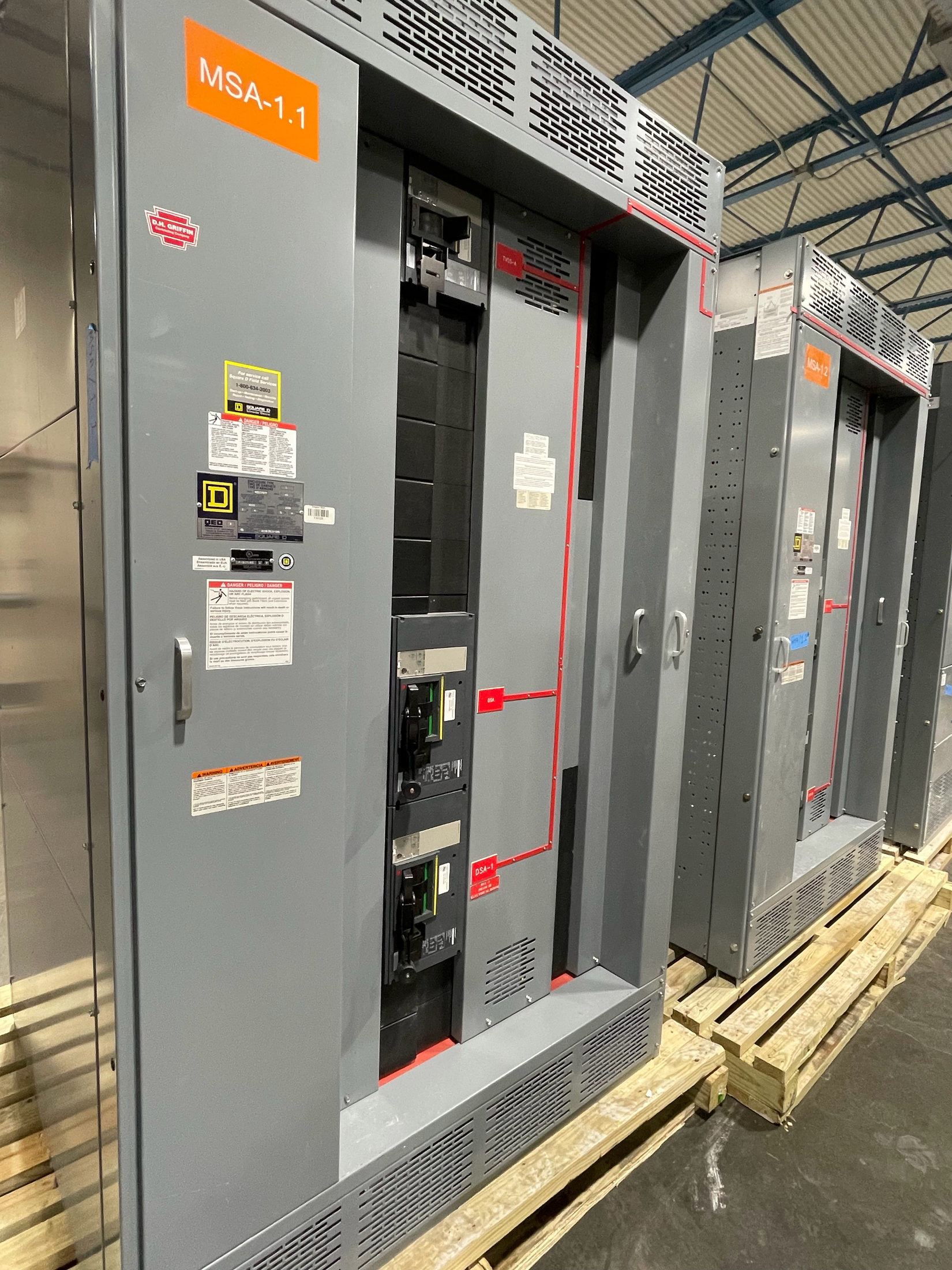
Preventive Maintenance Definition for New Switchgear
Preventive maintenance is planned inspection, testing, and servicing intended to help equipment remain in its specified condition and reveal concerns before they disrupt operation. For new switchgear, the plan applies after installation and commissioning; it does not replace the manufacturer’s instructions, commissioning requirements, or corrective work when a problem is found. The exact tasks and intervals cannot be defined by the term alone. They depend on the equipment design, operating environment, project requirements, and applicable guidance.
In a testing and maintenance glossary, the practical distinction is timing and purpose: preventive work is scheduled, while corrective maintenance responds to a discovered defect or failure. A maintenance plan should identify what will be examined, who is responsible, what records are retained, and how findings are evaluated. Qualified electrical professionals should establish the plan for the specific installation and coordinate it with site safety procedures and relevant authorities.
Why Plan Maintenance Before Installation
Planning during equipment selection helps avoid gaps between the switchgear delivered, the facility’s maintenance practices, and the information technicians will need later. Project teams can determine which drawings, product documents, test records, and operating instructions should be handed over, and who will maintain them. For new equipment, that record set establishes a useful baseline for future inspections and for assessing changes in condition. It also clarifies which tasks belong to commissioning and which recur during operation.
The plan should reflect the actual duty and location rather than a generic calendar. Relevant inputs can include expected operating patterns, environmental conditions, switching frequency, connected loads, access constraints, and the owner’s maintenance program. These factors may affect inspection scope and intervals, but should not be converted into assumptions without review. Discuss them with the equipment supplier and the qualified professionals responsible for design, commissioning, and ongoing maintenance before finalizing procurement documents.
Inputs That Shape the Maintenance Scope
Begin with the one-line diagram, equipment schedules, design specifications, and the intended use of each section. Confirm the system voltage, continuous-current requirements, available fault information, protection scheme, and the equipment’s intended environment against the project design. These are selection and coordination inputs, not universal ratings or proof that a particular assembly is suitable. Applicable standards and any required evaluation or listing depend on the equipment type, design, and project; verify them rather than assuming a maintenance glossary term establishes compliance.
Also record the installed configuration, accessory devices, protective settings, control-power arrangements, and interfaces to upstream and downstream equipment. The maintenance scope may need to account for relays, meters, communications, interlocks, or other specified components, each with its own documentation and testing needs. Identify access and outage constraints early. A qualified electrical professional should review the final scope, including safe work boundaries and the site’s procedures; no maintenance plan should be treated as authorization to work on energized equipment.
Define Inspections, Tests, and Records
A project-specific plan can distinguish visual condition checks from electrical tests and functional checks. Possible subjects for review include enclosure condition, accessible connections, operating mechanisms, protective-device settings, indication, and control functions. Which checks are appropriate, how they are performed, and how often they recur must be determined for the actual equipment and site. Testing should follow equipment instructions and applicable project requirements, using qualified personnel and methods selected for the design and operating conditions.
Document the baseline at acceptance and preserve results in a format the owner can use. Useful records may include equipment identification, drawings, settings, test methods, instrument information, measured results where applicable, observed deficiencies, and corrective actions. Establish criteria for evaluating results with the responsible professionals; avoid treating a single value or generic interval as suitable for every installation. Coordinate any planned test that affects operation with facility stakeholders, outage planning, and the approved safety process.
Coordinate Design, Supply, and Site Interfaces
Maintenance planning informs decisions about assembly arrangement, specified components, access, control interfaces, and documentation, but it does not justify adding features without a defined need. For a custom new switchgear assembly, provide the supplier with the approved one-line, schedules, applicable specifications, site conditions, and interface requirements. Identify what information is needed for installation, commissioning, operation, and future maintenance. Confirm responsibilities for review and approval among the owner, engineer, equipment supplier, installer, and commissioning or maintenance providers.
For switchboards, UL 891 may apply to suitable assemblies; it should not be presumed for every product or applied automatically to medium- or high-voltage equipment. Other requirements depend on design and project. A US manufacturer using all-American components may build custom assemblies to specification and ship nationwide, with lead time determined by project. For an Austin or Central Texas project, confirm delivery coordination, receiving arrangements, site access, and the sequence for installation and testing without assuming a local facility or on-site service.
Turn the Definition into a Usable Plan
Before releasing a purchase specification, assemble the equipment scope, design documents, environmental and operating inputs, interface list, required submittals, and handover-record expectations. Ask the project’s qualified electrical professionals to identify applicable standards, acceptance and commissioning responsibilities, and the process for setting preventive tasks and intervals. Resolve who will own the records and who will review test findings after turnover. This makes preventive maintenance a defined lifecycle responsibility rather than an unsupported promise about equipment performance.
At handover, compare the delivered configuration with approved documents, collect the final drawings and equipment instructions, and record commissioning results as the maintenance baseline. Then have the owner’s maintenance lead incorporate equipment-specific tasks into the site program, with review triggers for changed operating conditions, modifications, or recurring findings. Confirm any open questions with the supplier and responsible professionals before scheduling work. These practical steps help a new installation enter service with a traceable, project-appropriate maintenance approach.
Project specification checklist
Use this checklist to organize the details for a project-specific review. Final ratings, applicable standards and equipment selections depend on the approved design.
| Item | What to confirm |
|---|---|
| Equipment and system scope | Confirm equipment type, approved one-line, schedules, intended use, and the boundaries of the maintenance plan. |
| Design and operating inputs | Verify system requirements, duty, environment, protection scheme, and site constraints with qualified project professionals. |
| Applicable requirements | Determine applicable standards and any required evaluation or listing for the specific design and project. |
| Interfaces and responsibilities | Identify connected equipment, control and communications interfaces, review roles, and maintenance ownership. |
| Testing and baseline records | Agree on suitable inspection and test scope, acceptance responsibilities, documentation, and record retention. |
| Procurement and handover | Specify required submittals, final drawings, equipment instructions, commissioning records, and delivery coordination. |