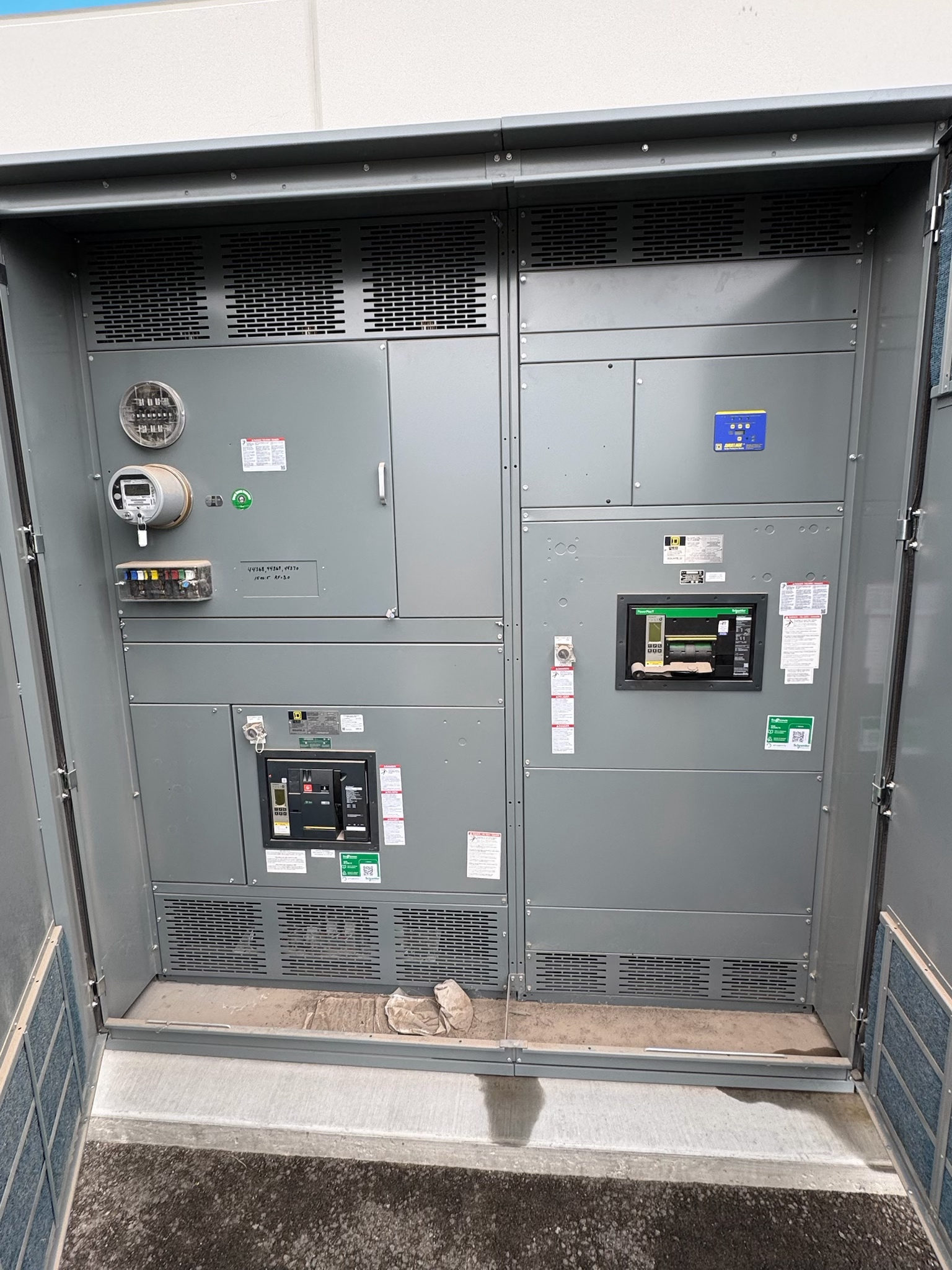
What an outage means for switchgear
An outage is a defined period when equipment, a circuit, or part of an electrical system is unavailable for normal service. It may result from a planned shutdown for installation, inspection, testing, or maintenance, or from an unplanned interruption. In project discussions, “outage” should identify what is de-energized or otherwise unavailable, not simply indicate that work is taking place. For new switchgear, the term can describe the time needed to remove existing equipment from service, connect replacement assemblies, complete checks, and return the affected system to operation.
The scope matters because a facility-wide interruption is different from taking one lineup, bus section, feeder, or load out of service. A project schedule should name affected equipment and loads, identify any remaining supply paths, and state what operating condition marks the beginning and end of the outage. Those boundaries help owners, electrical professionals, and equipment suppliers discuss realistic project requirements without assuming that every task can occur while the system is energized.
Separate equipment delivery from outage duration
The outage window is not the same as the manufacturing or shipping lead time for new switchgear. Equipment can be built and delivered before the shutdown, but the duration of unavailable service depends on the site’s approved work sequence, existing conditions, interfaces, and required checks. Planning should distinguish procurement milestones from field activities such as removal, placement, conductor termination, inspection, testing, and operational turnover. The responsible project team determines which activities require de-energization and how much time each can safely take.
Useful inputs include the one-line diagram, equipment schedules, existing gear information, load and source relationships, physical constraints, and the intended cutover sequence. Confirm what can be prepared before the outage, such as reviewed drawings and connection planning, and what depends on field verification. Do not treat a supplier’s equipment schedule as a guarantee of a particular shutdown duration. The project’s qualified electrical professionals and relevant authorities must evaluate site conditions and approve the work plan.
Design choices that affect the cutover
New switchgear should be specified around the electrical system and the planned transition, not selected on the assumption that an outage can be shortened by a single feature. Project-specific inputs may include system voltage, continuous load, available fault current, source configuration, feeder count, metering and protection needs, environmental conditions, and physical arrangement. Ratings, construction, and applicable standards require verification for the actual design and installation. UL 891 applies to suitable switchboard assemblies; it should not be presumed to apply to every switchgear product or voltage class.
Cutover interfaces can be as important as the new lineup itself. Confirm incoming and outgoing conductor arrangements, bus connections, control wiring, protective-device coordination, communications, grounding, and any transition components. Identify what existing equipment must remain compatible and whether drawings or connection details need revision. Custom assemblies can be built to specification, but requested dimensions, interfaces, and functions should be documented and reviewed before release. These decisions help the project team plan installation and testing without assuming unverified fit, performance, or site conditions.
Coordinate the outage with all affected parties
An outage plan needs clear ownership of decisions and communication. The facility’s authorized operations personnel, electrical contractor, engineering team, equipment supplier, and any other affected parties should agree on the outage boundary, sequence, access requirements, hold points, and conditions for returning equipment to service. Depending on the site, coordination may also involve tenants, connected processes, or parties responsible for upstream and downstream equipment. Identify who can authorize the shutdown and who confirms that prerequisites are complete before work proceeds.
Discuss contingencies during planning: what happens if field conditions differ from drawings, a connection does not fit, or a required check identifies a problem? Establish how schedule changes and status updates will be handled, and define the decision path for extending the outage or deferring energization. These are project-management questions, not permission to work on energized equipment. Isolation, verification, work practices, and safe return-to-service decisions belong to qualified personnel under the site’s applicable procedures and requirements.
Testing, acceptance, and return to service
Testing may occur before, during, or after an outage, depending on the equipment, test method, system interfaces, and approved sequence. The project team should identify required inspections and tests, responsible parties, documentation, acceptance criteria, and any dependencies on connected equipment. For a new assembly, confirm that submittals, approved drawings, settings information, and relevant manufacturer documentation are available when needed. Applicable standards and testing requirements depend on the design and project; do not infer a listing or acceptance criterion from the word “switchgear.”
Before planning to restore service, define the project’s required checks and sign-offs, including verification of connections, protective and control functions, phase relationships where applicable, and communication with affected operators. Qualified electrical professionals determine appropriate methods and safe conditions. Document test results, deviations, unresolved items, and authorization to proceed. A defined turnover point helps distinguish completion of installation from readiness for operation, while leaving final acceptance decisions with the responsible project authorities and facility personnel.
Prepare a practical outage-planning package
For a new switchgear inquiry, provide the project location, target in-service timing, one-line diagram, equipment schedule, available existing-equipment details, and a clear description of the proposed outage boundary. Include known interfaces, site access or handling constraints, required documentation, testing expectations, and the party responsible for field installation and cutover. If information is not yet available, identify it as open rather than filling gaps with assumed ratings or dimensions. A focused review can surface design questions early and help align custom assembly requirements with the project sequence.
The manufacturer builds in the USA using all-American components, offers custom assemblies to specification, and can ship nationwide. Lead time is determined by project requirements and review; it should be considered separately from the site’s outage duration. A useful next step is to request a specification review with the drawings and schedule, then record unresolved inputs, interface owners, required submittals, and decisions that must be completed before equipment release. The project team can use that list to coordinate procurement with its independently developed outage and commissioning plan.
Project specification checklist
Use this checklist to organize the details for a project-specific review. Final ratings, applicable standards and equipment selections depend on the approved design.
| Item | What to confirm |
|---|---|
| Outage boundary | Identify the equipment, circuits, loads, and operating condition included in the planned interruption. |
| System information | Provide current one-line diagrams, schedules, source details, and verified electrical requirements for review. |
| Physical and electrical interfaces | Confirm dimensions, conductor and bus connections, controls, protection, communications, and grounding requirements. |
| Cutover sequence | Document prerequisites, work sequence, responsible decision-makers, contingency process, and return-to-service authorization. |
| Testing and acceptance | Specify applicable checks, test responsibilities, documentation, acceptance criteria, and required sign-offs. |
| Procurement timing | Separate equipment review, custom assembly lead time, shipment coordination, and the site’s outage schedule. |