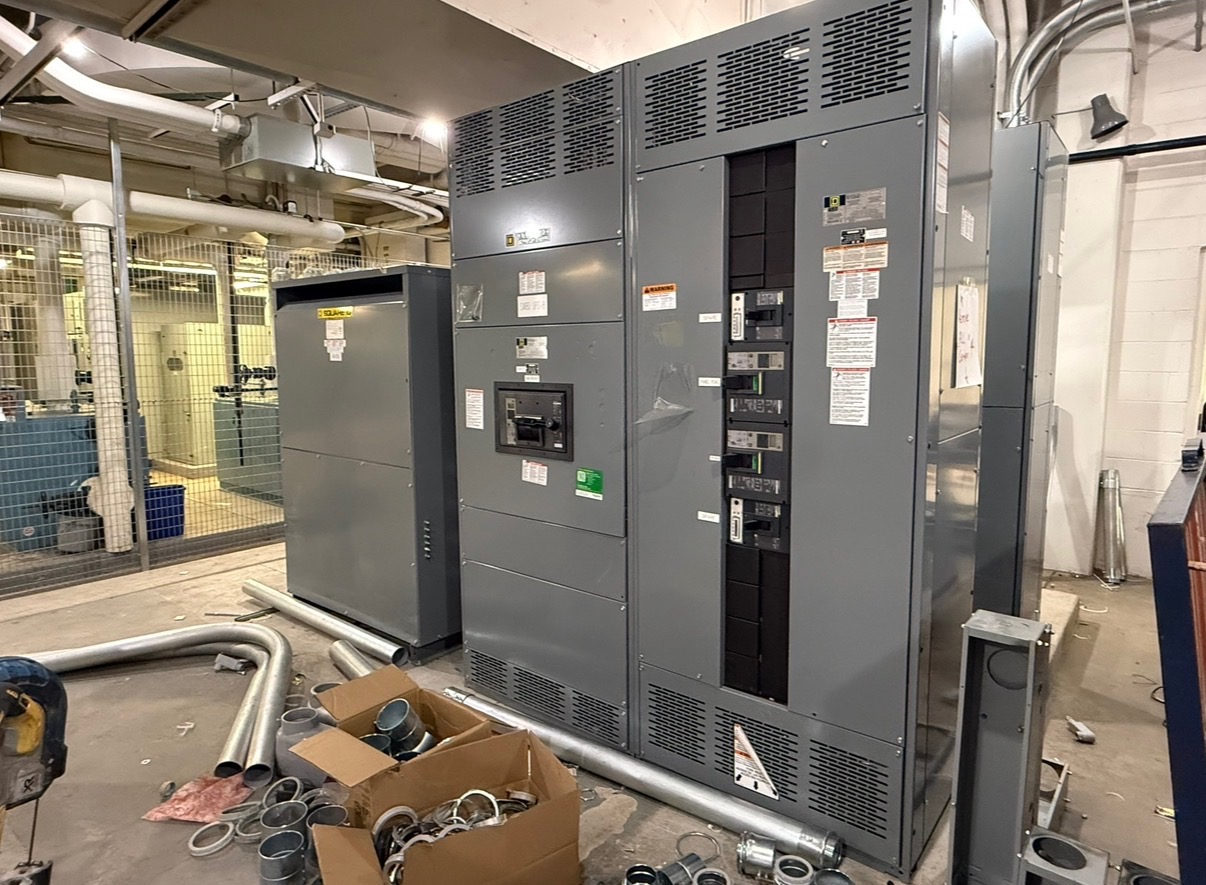
Witness test definition for new switchgear
A witness test is a planned test that an agreed representative observes. For new switchgear, the representative may be designated by the purchaser, engineer, owner, or another project party. The purpose is to see specified checks performed and review the recorded results; witnessing does not, by itself, establish that every design requirement has been met or replace the responsible parties’ review. The term describes participation in testing, not a single universal test procedure or a particular certification.
The project documents should define what equipment and test activities are included, who may witness, and how results will be documented. The test scope depends on the assembly design, applicable requirements, purchase specification, and agreed acceptance criteria. A witness test should not be assumed to include every possible inspection or electrical test.
Why observation is included in a project
An agreed witness opportunity can give project representatives direct visibility into selected factory testing before new switchgear is released for shipment. It can help clarify how specified inspections are performed, allow questions about documented results, and identify discrepancies while the equipment is still in the production process. The value is strongest when the test plan is tied to the approved project documents rather than an informal expectation about what a witness test normally includes.
Observation is not a substitute for design review, independent engineering judgment, or inspection by authorities where required. Nor does a representative’s attendance automatically mean acceptance of the equipment or waive outstanding requirements. The contract and project procedures should state whether the witness provides comments, signs a report, or has a defined acceptance role, and who resolves disagreements or test exceptions.
Agree the test scope and acceptance basis
Before procurement is finalized, identify the exact assembly or sections to be tested and the tests the representative will observe. Inputs may include the one-line diagram, equipment specifications, approved drawings, control schematics, bill of materials, applicable standards, and project-specific inspection or test requirements. The manufacturer and project team should confirm which documents govern if requirements differ, and whether any requested test needs special preparation, equipment, or an agreed procedure.
Acceptance criteria should be stated in measurable, reviewable terms where applicable, with the expected records identified in advance. Confirm what constitutes a pass, how an anomalous result is handled, and whether retesting or corrective action is required. Applicable standards depend on the equipment design and project; UL 891 may apply to suitable switchboard assemblies, but it does not automatically apply to every form of switchgear or make every test a witness test.
Coordinate representatives, notice, and interfaces
The project team should name the witness or define who is authorized to appoint one, then provide the manufacturer with contact and coordination details. Agree on notice periods, proposed test dates, attendance limits, permitted observation methods, and how schedule changes will be communicated. If a representative cannot attend, decide in advance whether testing may proceed, whether remote observation is acceptable, or whether the test must be rescheduled. These are contractual and logistical decisions, not universal features of a witness test.
Clarify interfaces among the purchaser, engineer, manufacturer, and any other designated reviewer. For example, establish who answers technical questions, approves test procedures, records comments, and closes action items. Remote access, photography, confidentiality, and site or facility access rules also need confirmation where relevant. Do not assume that witnessing includes commissioning, field testing, installation, or access to energized equipment; those activities require separate scope and appropriate qualified personnel.
Records, exceptions, and release decisions
Decide what documentation the witness will receive, such as a test report, inspection record, results tied to equipment identification, and a log of comments or exceptions. The report should make it possible to connect the observed activity to the specified test procedure and the particular assembly. Confirm who reviews the records, the expected submission timing, and how revisions or corrected reports are controlled. A signature should have a defined meaning: attendance, review, acceptance, or another role stated in the project documents.
If a test result does not meet an agreed criterion, identify who evaluates the issue and authorizes corrective work or retesting. The process should distinguish a test failure from a documentation question or an observation that does not change the acceptance basis. Shipment or release decisions should follow the contract and approved project procedures, not an assumption that attendance alone is approval. Qualified electrical professionals and relevant authorities remain responsible for their applicable reviews.
Practical steps before ordering new switchgear
For a project requiring a witness test, raise the requirement during specification review rather than after the test schedule is set. Provide the proposed scope, witness party, acceptance criteria, required records, and any notice or access conditions with the procurement documents. Ask the manufacturer to identify information needed to plan the test and to confirm the agreed scope, schedule dependencies, and any exclusions in writing. Lead time and test timing are project-dependent; neither should be inferred from the term witness test.
Before approving the order, reconcile the witness requirements with the equipment design, applicable standards, drawing-approval process, and delivery milestones. A useful next step is a written test matrix showing each activity, governing document, observer, record, and disposition path for exceptions. This helps the purchaser compare proposals on the same basis and prevents confusion between factory testing, witnessed testing, and later site work. Final requirements should be reviewed by the project’s qualified electrical professionals.
Project specification checklist
Use this checklist to organize the details for a project-specific review. Final ratings, applicable standards and equipment selections depend on the approved design.
| Item | What to confirm |
|---|---|
| Witness authority | Confirm who may observe, who appoints the representative, and whether attendance or signature means review or acceptance. |
| Test scope | List the specific assembly, sections, inspections, and tests included, using approved project documents as the basis. |
| Acceptance criteria | Define applicable requirements, pass criteria, and the process for questions, exceptions, corrective action, and retesting. |
| Coordination | Agree notice, scheduling, attendance or remote-observation rules, access conditions, and what happens if the witness cannot attend. |
| Test records | Specify report contents, equipment identification, comment tracking, review responsibilities, and document delivery timing. |
| Release decision | Confirm how test results and unresolved items affect shipment or release under the project contract and procedures. |