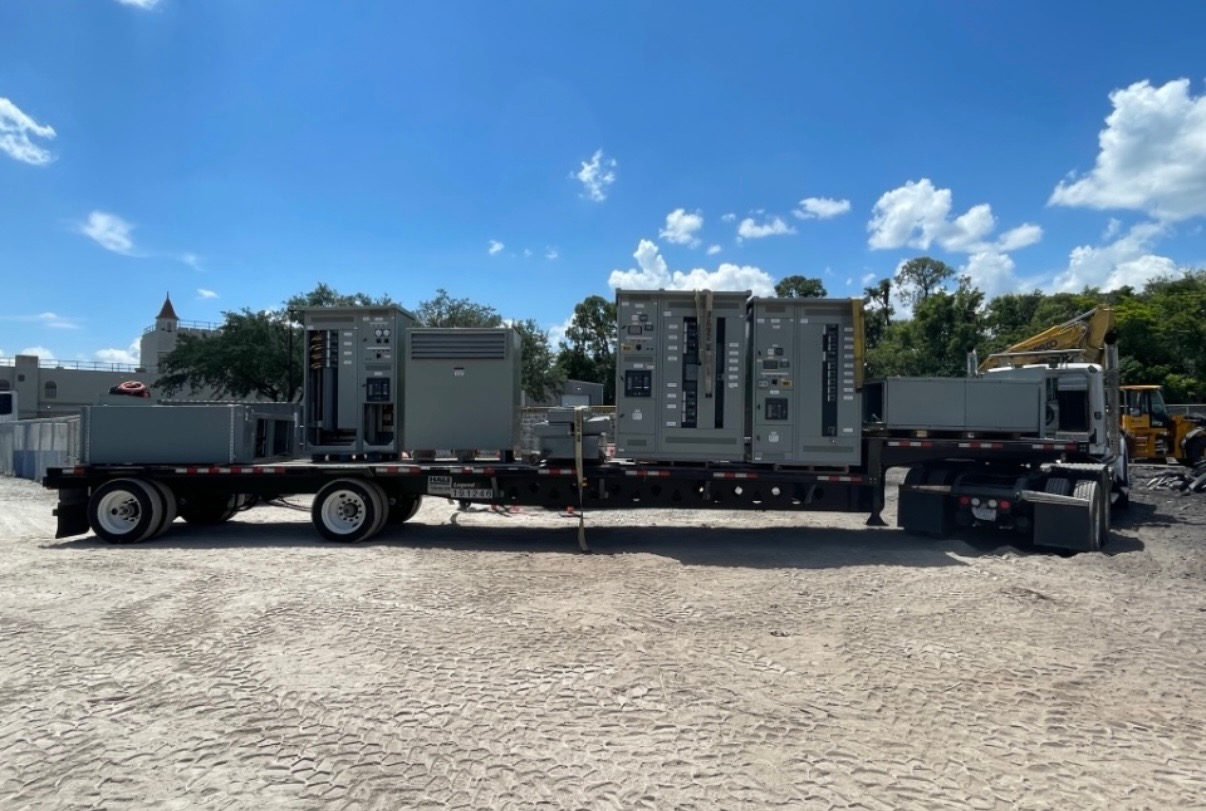
Factory acceptance test definition
A factory acceptance test (FAT) is an agreed sequence of inspections and tests performed on new equipment before it ships. For switchgear, the FAT gives the manufacturer and customer a defined opportunity to check that the supplied assembly matches specified documents and to record results, observations, and any agreed follow-up. It is not a universal checklist, nor does the term alone promise a particular test, certification, or performance outcome. The scope depends on equipment design, contract requirements, applicable standards, and what can be safely and meaningfully verified at the factory.
In this testing and maintenance glossary, the practical distinction is that a FAT is planned around a particular order. It can include document review, visual inspection, and selected functional checks, but the exact sequence must be agreed in advance. It does not replace site commissioning, installation verification, or acceptance by the owner’s qualified electrical professionals and relevant authorities.
Why define the sequence before ordering
A written FAT plan makes acceptance expectations visible before new switchgear is built. It helps the customer and manufacturer distinguish checks that can be completed on the assembled equipment from checks requiring site conditions, connected systems, or external devices. It also establishes how participants will witness or review the work, what records will be provided, and how discrepancies will be documented and resolved before shipment is authorized under the project’s terms.
The plan should connect each check to a requirement or drawing rather than rely on a broad request to “test everything.” That is particularly important for custom assemblies: a test may be appropriate for one design and irrelevant or infeasible for another. Clear scope reduces late-stage disputes about whether a demonstration was included, while leaving engineering judgments and safety controls with qualified personnel.
Inputs that shape a switchgear FAT
Useful inputs include the purchase specification, approved drawings, equipment schedule, control schematics, bill of materials, and the project’s acceptance criteria. Review the intended application, system configuration, specified ratings, protective-device details, control power, metering, communications, and accessories as applicable to the design. These are project inputs to verify—not assumed capabilities or ratings. Confirm drawing revisions and identify any open technical submittals before fixing the test procedure, so the FAT evaluates the agreed design rather than an outdated configuration.
Applicable standards and inspection requirements depend on the equipment type and project. UL 891 may apply to suitable switchboard assemblies; it should not be presumed to apply to every switchgear product or to medium- or high-voltage equipment. The responsible electrical professionals should identify the governing requirements and clarify whether a requested check is a design verification, a production inspection, or a project-specific functional demonstration.
Interfaces, test methods, and limits
The FAT procedure should name the equipment boundaries and interfaces being checked. Depending on the approved design, that may mean reviewing compartment arrangements, labels, wiring against schematics, mechanical operation, interlocks, indication, or selected control functions. For interfaces to external systems, agree which signals or devices will be represented by test fixtures, simulated inputs, or customer-supplied equipment. State what is excluded because it depends on field wiring, site communications, utility conditions, or other equipment not present at the factory.
Also define test methods, acceptance criteria, prerequisites, and safety controls for each activity. Do not infer acceptable voltage, current, short-circuit capability, enclosure suitability, or test severity from a generic FAT definition. Qualified personnel must determine appropriate procedures for the particular assembly and applicable requirements. If a check cannot be performed as proposed, document the limitation and agree a suitable alternative or later verification point before the test date.
Witnessing, records, and shipment decisions
Before scheduling, agree whether the customer will attend in person, review records remotely, or waive witnessing under the contract. Confirm notice periods, attendee roles, test sequence, required documents, and how questions or nonconformances will be tracked. The resulting record commonly needs to identify the equipment and drawing revisions, inspections and tests performed, observed results, exceptions, and approvals or action items. Define who reviews the record and what disposition is required for open items; do not assume that attendance alone constitutes acceptance.
Shipment release should follow the project’s stated acceptance process, not an informal interpretation of a successful demonstration. Coordinate FAT timing with drawing approval, production completion, customer availability, and any required corrective work. A FAT report can support project records and later commissioning planning, but it cannot establish that the equipment is correctly installed or ready to energize at the site.
Practical next steps for procurement
When requesting a proposal for new switchgear, provide the intended application, project specifications, one-line diagram, control requirements, interface list, and any owner or engineer acceptance criteria available. Ask the manufacturer to identify the proposed FAT scope, exclusions, documentation, witness arrangements, and decisions needed from the project team. For custom assemblies built to specification, resolve those details during submittal review rather than waiting until equipment is ready to ship. The manufacturer builds in the USA using all-American components and can ship nationwide; project timing and lead time depend on the defined scope and review.
Have the electrical engineer or other qualified project professional review the test plan against the approved design and applicable requirements. Confirm who can approve changes, how a discrepancy affects shipment, and whether any site-only checks need separate planning. This turns the factory acceptance test definition into a usable project agreement: a bounded, documented sequence tied to the actual equipment, interfaces, and acceptance decisions.
Project specification checklist
Use this checklist to organize the details for a project-specific review. Final ratings, applicable standards and equipment selections depend on the approved design.
| Item | What to confirm |
|---|---|
| FAT scope | List each inspection or test, its purpose, and any explicit exclusions. |
| Design basis | Identify approved specifications, drawings, schedules, and revision status used for evaluation. |
| Interfaces | Confirm external devices, signals, and site-dependent functions, including how they will be represented or deferred. |
| Acceptance criteria | Set project-specific methods, prerequisites, pass criteria, and safety controls with qualified professionals. |
| Witnessing and records | Agree attendance or review method, notice, report contents, exception tracking, and approval responsibilities. |
| Shipment disposition | Define how open findings are resolved and who authorizes release under the project terms. |