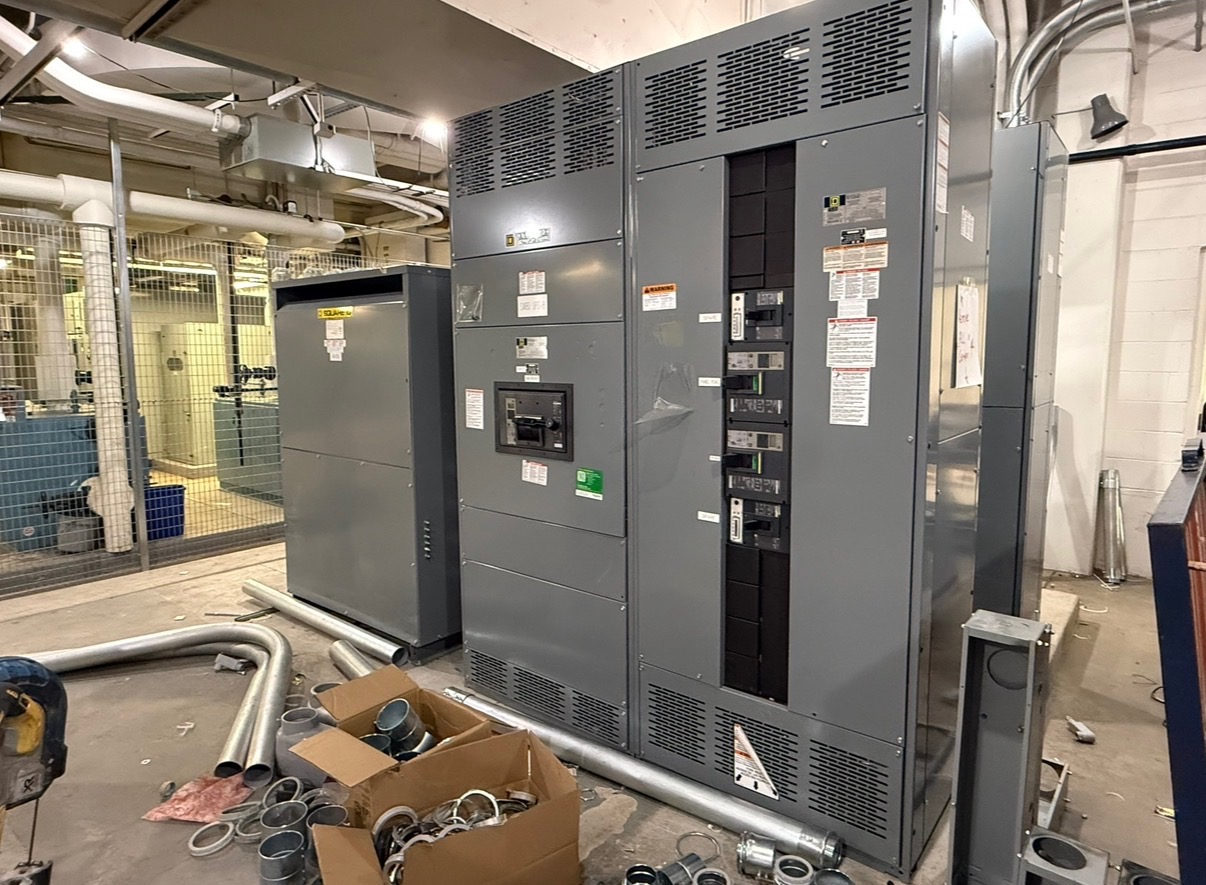
Planning New Switchgear for a Buda Project
For a facility project in Buda, selecting new switchgear starts with understanding what the electrical distribution system must do—not with choosing a catalog rating. The equipment may serve a new building, a capacity expansion, or a replacement within an existing system. Each situation brings different constraints around available space, connected loads, continuity needs, and interfaces with upstream and downstream equipment. A clear inquiry helps establish whether the project calls for low-voltage switchgear or another type of assembly, and which design details require review before pricing.
Share the project location, intended application, current design stage, and target procurement schedule. Explain whether drawings and specifications are available or still being developed. These details help frame a useful review without assuming local inventory, a Buda office, or guaranteed site service. New assemblies are built in the USA using all-American components, with custom configurations available to project specifications and nationwide shipping. Lead time depends on the approved design and project requirements.
Describe the Electrical Supply and Loads
For a low-voltage switchgear inquiry, identify the supply voltage and system configuration from the project documents, along with the source arrangement. Note whether the equipment will receive power from one source or multiple sources and describe any transfer, tie, or distribution functions specified by the design. Do not estimate these values if they are unknown; have the electrical engineer or other qualified project professional confirm them. The correct configuration depends on the system and the equipment it must coordinate with.
Provide a load summary that distinguishes major load types and identifies expected demand or operating patterns when that information is available. Include motor loads, electronic loads, planned additions, and any required outgoing circuits shown in the design. Mention whether load schedules are preliminary or approved. This information helps the manufacturer understand feeder quantities, breaker functions, and assembly arrangement for a quote. Final equipment selection and settings require review of the complete project documents by qualified electrical professionals.
Confirm Fault Duty and Applicable Standards
Fault duty is a project-specific selection factor, not a value to infer from supply voltage or a typical installation. Provide the available fault-current information and its source, such as the project short-circuit study or utility data, when available. The engineer should verify the study assumptions and the required withstand or interrupting ratings for the proposed equipment and associated devices. If the fault information is pending, state that clearly in the inquiry so the quote can identify the open design item rather than imply an unverified rating.
Ask the project team to identify the standards and listing requirements that apply to the intended assembly. UL 891 applies to suitable switchboard assemblies; it does not automatically apply to every switchgear design or voltage class. Applicable requirements depend on the equipment design and project. Confirm which documents, markings, or test records are required in the procurement specification, and have the responsible electrical professionals and relevant authorities review the final selection.
Fit the Assembly to the Buda Site Layout
A workable layout must account for the electrical room or enclosure space, access, cable entry, and connections to adjacent equipment. Include room plans, elevations, one-line diagrams, and any known restrictions on overall dimensions or routing. Note whether conductors enter from the top or bottom if the design establishes that choice, and identify relevant wall, floor, or equipment interfaces. These details can affect section arrangement and connection planning; they should be confirmed rather than assumed from a general description of the site.
For a Buda-area project, coordinate drawing reviews among the equipment manufacturer, electrical engineer, contractor, and other responsible parties using the project’s established process. Confirm who will resolve drawing comments and when layout decisions must be finalized to support construction sequencing. Do not rely on presumed site visits or local service availability. If field measurements or installation coordination are needed, identify that requirement early so the project team can determine the appropriate arrangement.
Coordinate Design Review, Testing, and Procurement
Before requesting a firm quote, gather the latest specification, one-line diagram, load schedule, fault-current information, and layout documents. Mark unresolved items, alternates, and any required control or metering functions. A quote based on incomplete documents may need revision as design decisions are made, so identify the document revision and the expected date for updates. Ask how proposed deviations or assumptions will be presented for review, and ensure the responsible design professional evaluates them before approval.
Discuss inspection and testing expectations in the procurement documents. Confirm which factory checks, test documentation, and witness or hold points are required for the specific assembly; do not assume a particular test program applies universally. Establish drawing-submittal milestones, approval responsibilities, and the project schedule for release to production. Short lead times may be possible depending on project requirements, but timing should be confirmed against the finalized scope and procurement sequence rather than treated as guaranteed.
Prepare a Clear Buda Switchgear Inquiry
A concise inquiry can begin with the project application, requested equipment type, supply voltage, source configuration, load information, available fault-duty data, and required layout. Attach the current drawings and specification, and state what remains preliminary. Include the desired shipment destination in Buda or elsewhere in Central Texas, the anticipated approval milestones, and the date by which a proposal is needed. This gives the manufacturer a practical basis to identify questions and prepare a project-specific response without presuming site conditions or delivery commitments.
Before proceeding, ask the project engineer to confirm missing electrical data and reconcile the equipment scope with upstream protection, downstream loads, and installation constraints. Identify who has authority to approve technical submittals and changes. Once the scope is sufficiently defined, compare the proposed configuration against the project documents, applicable standards, and schedule. This disciplined handoff helps keep a new switchgear purchase grounded in verified requirements and gives the Buda project team clear next steps.
Project specification checklist
Use this checklist to organize the details for a project-specific review. Final ratings, applicable standards and equipment selections depend on the approved design.
| Item | What to confirm |
|---|---|
| Supply and system configuration | Confirm voltage, phase or system arrangement, source count, and required transfer or tie functions from approved project documents. |
| Loads and feeder schedule | Provide load summaries, outgoing circuit quantities, major load types, and planned capacity needs for design review. |
| Available fault duty | Submit verified fault-current data and its study basis; have qualified professionals confirm required equipment and device ratings. |
| Layout and connections | Share room plans, dimensions, access constraints, cable-entry direction, and interfaces with adjacent equipment. |
| Standards and testing | Identify applicable standards, any required listing for the specific assembly, and requested inspection or test documentation. |
| Quote and schedule inputs | Provide current document revisions, open design questions, approval milestones, shipment destination, and target procurement dates. |