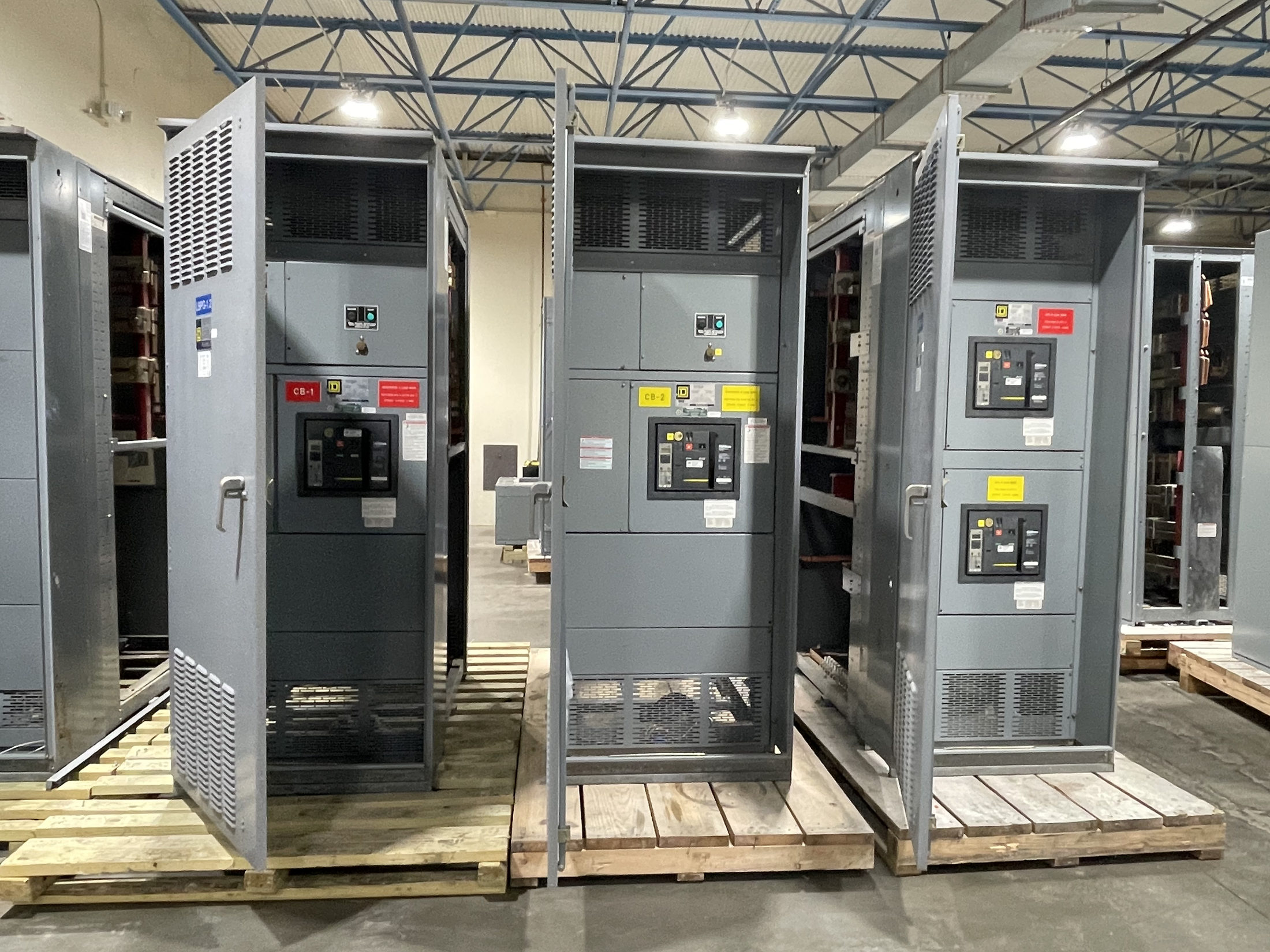
Start with the Buda Project’s Electrical Scope
A Buda low-voltage switchgear project starts with a clear picture of what the equipment must serve. A new building, an expansion, or a replacement can each call for a different arrangement of incoming supply, distribution sections, and outgoing feeders. Identify the project’s electrical service characteristics and the loads to be supplied, including major motors, HVAC equipment, and other substantial or intermittent loads. The equipment configuration should follow the project documents and the needs of the facility, not a general assumption about what a low-voltage system requires.
For a prospective Buda project, early coordination among the owner, electrical engineer, contractor, and equipment supplier helps establish responsibilities and the information needed to develop a suitable assembly. Site logistics matter too: confirm delivery access, receiving arrangements, and the planned route into the electrical room. These details can affect section dimensions and shipping configuration, even when the equipment itself is designed to a sound electrical specification.
Document Supply Voltage and Load Requirements
Provide the project’s confirmed supply voltage, phase and wire arrangement, frequency, and grounding requirements. Verify these against the service information and electrical drawings rather than inferring them from the building’s location or a nearby installation. A voltage or system configuration mismatch can affect connected equipment, protective devices, and the switchgear arrangement. If service details are still being finalized, identify the open items and the responsible party before equipment design proceeds.
A useful load schedule lists each feeder’s purpose, connected load, expected operating conditions, and any known starting or transient characteristics. Note anticipated future loads separately from present requirements so the design team can assess whether provisions are appropriate. The engineer should establish demand assumptions and required ratings. Sharing the latest one-line diagram, load schedule, and relevant specifications gives the manufacturer a more dependable basis for preparing a new switchgear proposal.
Establish Fault Duty and Protection Needs
Available fault current at the proposed switchgear location is a critical project input. Ask the engineer or other responsible electrical professional to determine the applicable fault duty from the actual supply system and proposed configuration. Do not choose an interrupting or withstand rating by rule of thumb or assume a rating is suitable because it appears common. The required rating must be verified for the specific assembly and installation conditions.
Protection and coordination choices also depend on the loads, upstream devices, downstream equipment, and project objectives. Provide available coordination studies, protective-device requirements, and any owner or engineer criteria for review. Changes to the source, transformer, or distribution arrangement can affect fault duty and coordination, so the design basis should be checked when project information changes. Applicable standards and any assembly listing depend on the equipment design and project; UL 891 applies to suitable switchboards, not automatically to every low-voltage assembly.
Fit the Assembly to the Electrical Room
The room layout should be considered alongside the one-line diagram. Share available floor space, equipment location, door and corridor clearances, access routes, and any relevant wall or overhead constraints. Confirm required working space and access with the project’s qualified electrical professionals and applicable authorities. A layout that works on paper may need adjustment if sections cannot be moved through the building or if access to equipment doors and cable compartments is restricted.
Project-specific choices may include the number and arrangement of sections, incoming and outgoing cable entry, feeder grouping, metering provisions, and space for planned future circuits. These are design decisions, not standard features to presume. Provide room plans and cable information early, and identify whether the installation calls for indoor or another specified enclosure arrangement. Enclosure type and environmental suitability must be verified for the actual location and project requirements.
Coordinate Submittals, Construction, and Testing
A practical procurement package for Buda low-voltage switchgear projects includes the current one-line diagram, load schedule, fault-duty information, room plan, cable requirements, and project specifications. Identify the submittal schedule, review contacts, required drawings, and any outstanding engineering decisions. Custom assemblies can be developed to specification, but design review depends on complete, consistent inputs. Confirm the applicable standards and any requested listing for the specific assembly rather than treating a standard as universal.
Before release, qualified project personnel should review the proposed configuration, ratings, connections, dimensions, and interface requirements. Coordinate factory testing and documentation expectations in the project specification, then plan site acceptance and installation checks with the responsible professionals. Testing scope should be defined for the equipment and contract; it should not be assumed to establish suitability for conditions that have not been verified. Work on electrical equipment must be planned and performed by qualified personnel under appropriate safety procedures.
Prepare a Complete New-Equipment Inquiry
To request new switchgear for a Buda project, send the latest design documents and note the project phase, requested submittal milestones, and target equipment dates. Include known supply characteristics, load and feeder information, calculated fault duty, layout constraints, and any specified standards or testing requirements. If information is not yet available, label it as pending rather than filling gaps with assumptions. This helps the manufacturer identify what can be evaluated now and what needs confirmation before a firm design can be developed.
The manufacturer builds in the USA using all-American components, can produce custom assemblies to specification, and can ship nationwide. Lead time is determined by the project and should be confirmed during procurement; avoid planning around an unverified delivery promise. For a Buda installation, the customer and project team should coordinate receiving, access, unloading, and installation sequencing with their selected providers. A complete inquiry makes those decisions easier to resolve while keeping the equipment aligned with the project’s verified electrical and physical requirements.
Project specification checklist
Use this checklist to organize the details for a project-specific review. Final ratings, applicable standards and equipment selections depend on the approved design.
| Item | What to confirm |
|---|---|
| Supply system | Confirm voltage, phase and wire arrangement, frequency, grounding, and service configuration from project documents. |
| Loads and feeders | Provide a current load schedule, feeder functions, operating characteristics, and any separately identified future loads. |
| Fault duty | Have qualified project personnel establish available fault current and verify required equipment ratings. |
| Room and access | Confirm layout, clearances, cable entry, enclosure needs, delivery route, and receiving constraints. |
| Standards and testing | Specify applicable standards, any required assembly listing, submittals, and project-defined testing scope. |
| Schedule and logistics | Share procurement milestones and coordinate lead-time confirmation, delivery, receiving, and installation sequencing. |