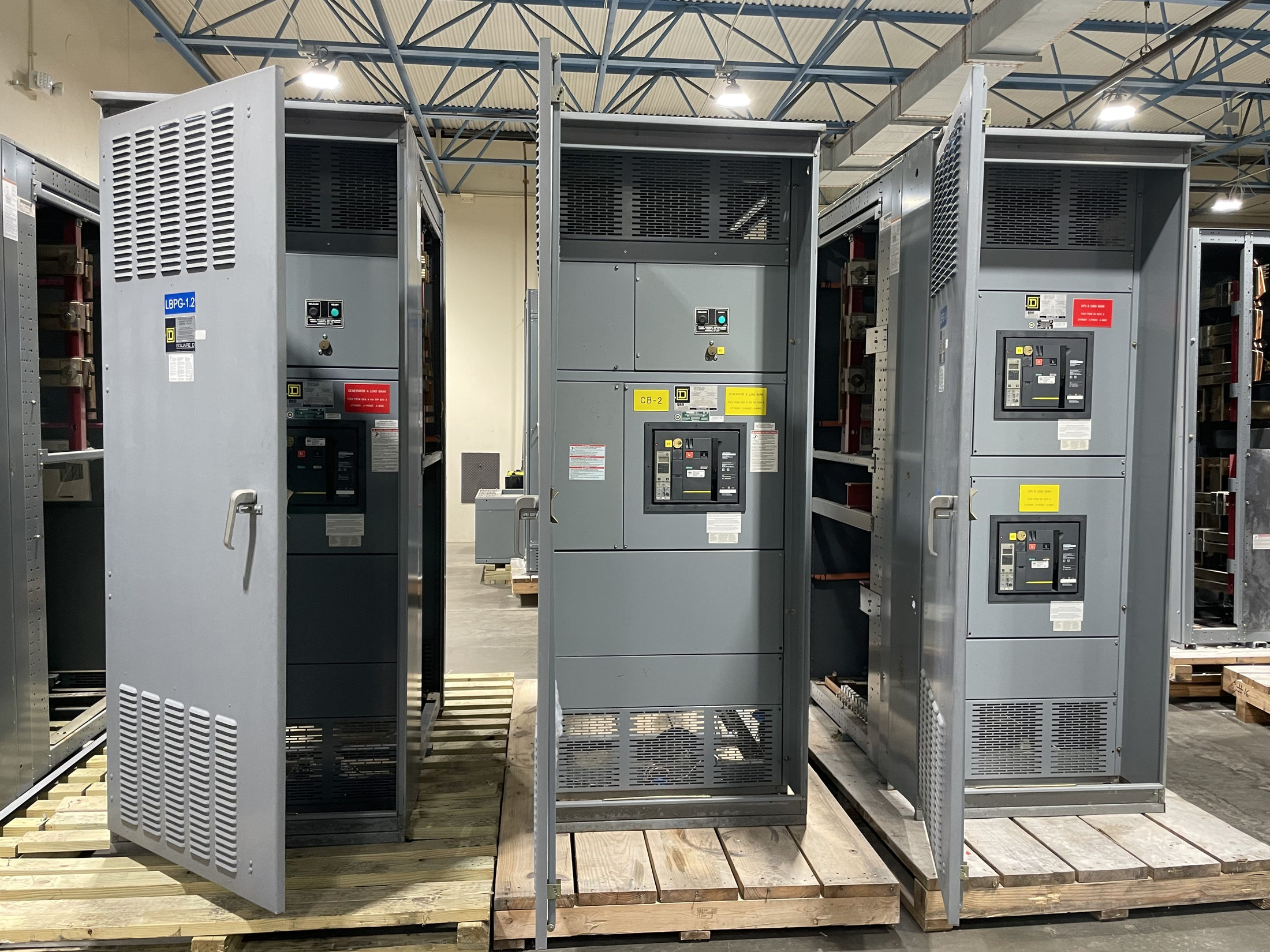
Plan Distribution Around the Fredericksburg Property
For a commercial property in Fredericksburg, new switchgear planning starts with how electricity is received and distributed through the building—not simply with the existing gear’s dimensions. Identify the service arrangement, the areas and loads served, and whether the project involves a new building, an expansion, or replacement equipment. A distribution assembly may need to support building circuits, metering provisions, and a clear path for future changes, but the right arrangement depends on the project documents and electrical design.
Describe the property’s intended use and any known changes in occupancy, equipment, or building layout. Include available one-line diagrams, panel schedules, service information, and the project team’s design documents when possible. These materials help distinguish a request for a complete switchgear assembly from a need for a switchboard or another distribution component. Equipment terminology can vary, so a qualified electrical professional should confirm the intended scope before a quote is based on assumptions.
Define Loads, Circuits, and Metering Needs
For commercial distribution inquiries, explain which building circuits the new equipment must serve and how they are grouped or separated. Note known large loads, planned additions, and any circuits that must remain distinct for operational or metering reasons. If circuit schedules are incomplete, identify that gap rather than estimating. A useful inquiry can state what is known, what remains under design, and who can clarify the electrical requirements.
Metering details also affect the assembly layout and coordination. Specify whether the project documents call for metering, what portions of the distribution system it is intended to monitor, and any interface or space requirements already established by the design team. Do not assume that a particular meter arrangement, utility acceptance, or service configuration is suitable. Confirm those requirements with the responsible electrical designer and relevant authorities, then include the confirmed criteria in the quote package.
Verify Ratings and Applicable Requirements
Switchgear selection depends on electrical conditions and the installation environment. The project team should establish the system voltage, current requirements, available fault current, required short-circuit performance, and other design criteria before equipment is specified. Those values are project-specific: an existing rating or a number found on a different building’s equipment is not proof that it is appropriate for this installation. Enclosure and environmental needs likewise require review against the actual location and conditions.
Applicable standards and any required listing depend on the equipment type and design. UL 891 applies to suitable switchboard assemblies; it should not be assumed to cover every switchgear product or configuration. Share the governing specifications and identify any stated compliance requirements so they can be reviewed for the proposed assembly. Qualified electrical professionals and relevant authorities must confirm that the selected equipment, ratings, and installation plans meet the project’s requirements.
Choose an Assembly That Fits the Design
A custom assembly can be developed around confirmed circuit, metering, and project requirements. Useful design inputs include the approved one-line diagram, circuit schedule, equipment location and access constraints, incoming and outgoing connections, and any defined provisions for future loads. If the property may change over time, describe the anticipated change and ask the design team to determine whether planned space or capacity provisions are appropriate. Future flexibility should be specified, not presumed from the presence of spare positions or physical room.
Fredericksburg projects may involve coordination among the owner, electrical designer, contractor, and other project participants. Identify who owns each decision, which documents are current, and whether the design is preliminary or approved. Clarifying these points early helps avoid quoting against conflicting drawings or an outdated equipment schedule. The manufacturer builds in the USA using all-American components and can develop custom assemblies to specification; the final configuration still depends on technical review of the project requirements.
Coordinate Submittals, Testing, and Timing
Before release, align the equipment scope with the project’s review process. Confirm which drawings, specifications, and interface details the design team expects to review, and resolve open questions about circuits, metering, ratings, and connections. Where testing or inspection requirements are specified, identify them in the inquiry for evaluation against the proposed assembly and applicable requirements. Do not treat a quote or drawing review as a substitute for approval by the responsible electrical professionals or authorities.
Lead time is determined by the project, so provide the requested need date and the milestones that affect it, such as design approval, construction sequencing, and delivery coordination. Nationwide shipping is available, but the project team should confirm shipment details, receiving arrangements, and any site constraints directly; this does not imply a local office or guaranteed site service in Fredericksburg. A complete, coordinated package gives the manufacturer a better basis to assess scope and schedule than a target date alone.
Prepare a Clear Quote Request
To start a new switchgear inquiry from Fredericksburg, send the project location, equipment scope, current drawings, applicable specifications, and the contact responsible for technical questions. Include the intended building circuits, metering requirements, known future changes, required ratings, and any stated standards or listing criteria. Mark unknown items clearly and note when updated design documents are expected. This lets the quote review focus on confirmed needs while identifying decisions the project team must still make.
Before requesting a final proposal, have the electrical designer verify the one-line diagram, load information, fault-current criteria, installation conditions, and applicable requirements. Ask the project team to confirm the review and approval path, document expectations, delivery coordination, and schedule assumptions. These practical steps help keep the inquiry specific without locking the property into unverified ratings or configurations. The result is a more useful basis for evaluating a custom assembly for the building’s present distribution needs and planned changes.
Project specification checklist
Use this checklist to organize the details for a project-specific review. Final ratings, applicable standards and equipment selections depend on the approved design.
| Item | What to confirm |
|---|---|
| Project scope | Confirm whether the request covers a new building, an expansion, replacement equipment, or another defined distribution need. |
| Electrical design inputs | Provide current one-line diagrams, circuit schedules, service information, and verified project ratings when available. |
| Circuits and metering | Identify served building circuits, required circuit separation, metering intent, and documented interface needs. |
| Future changes | Describe anticipated loads or building changes and have the design team specify any required provisions. |
| Standards and review | State applicable specifications and listing requirements for review; confirm suitability with qualified professionals and relevant authorities. |
| Schedule and delivery | Share the requested need date, approval milestones, receiving arrangements, and any site coordination constraints. |