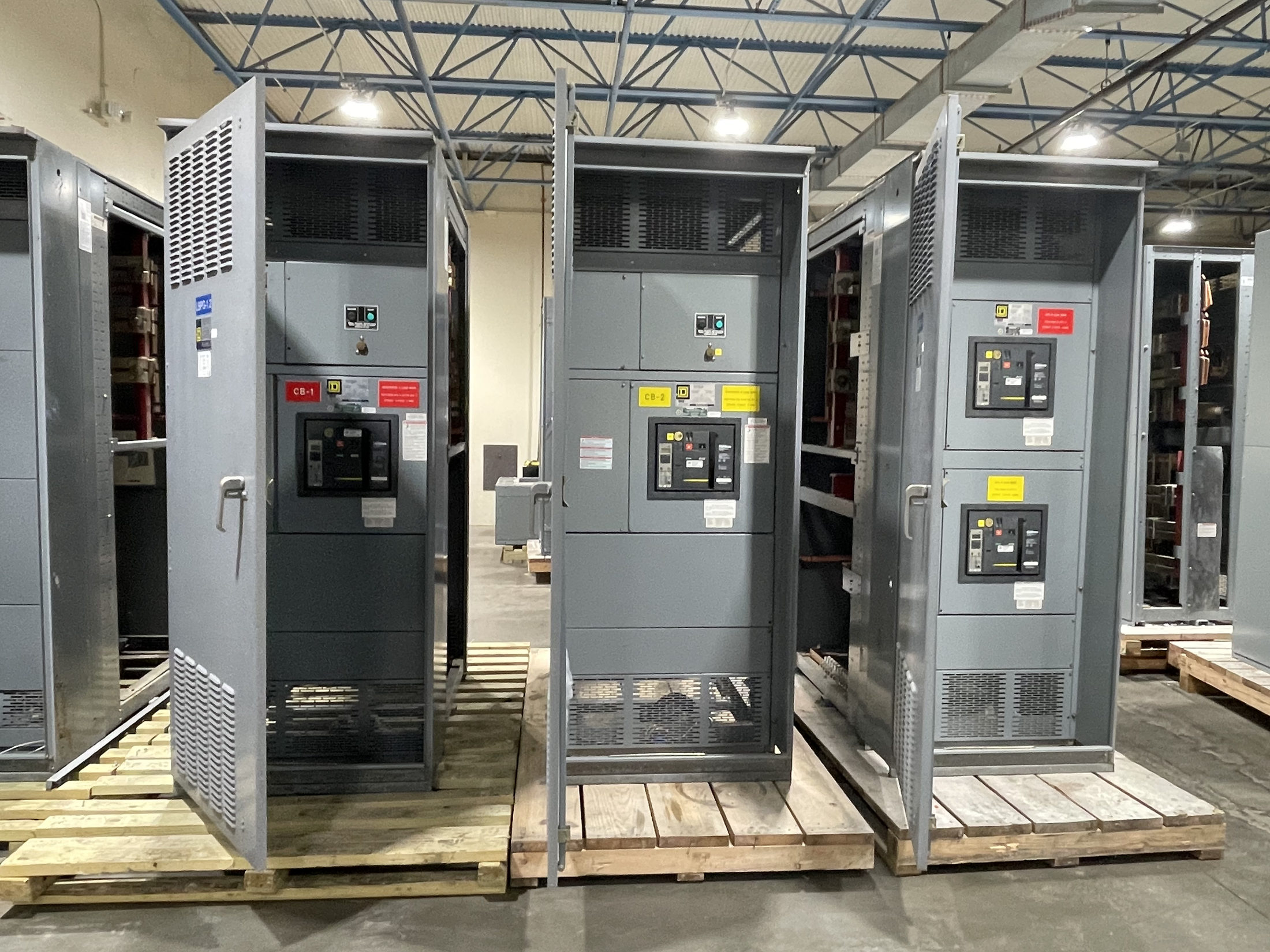
Start with the Hospital’s Critical-Load Plan
Round Rock hospital electrical upgrades begin with understanding which loads must remain supplied through normal power interruptions, planned maintenance, and equipment changes. The project team should identify essential electrical system branches, life-safety and critical-care loads, support systems, and any facility-defined priorities. New switchgear may serve as service, distribution, or emergency-power equipment, but the right arrangement depends on the existing one-line diagram, load study, and project scope.
For an upgrade within an operating health-care facility, the inquiry should describe what equipment is being replaced or added and how the work connects to existing distribution. Share available drawings, equipment schedules, utility information, and known constraints. A qualified electrical professional and the facility’s representatives can establish the applicable health-care requirements and authorities having jurisdiction; these cannot be inferred from the building’s use alone.
Choose Equipment Around the Electrical System
Selecting new switchgear requires verified system conditions, not a general hospital label. Confirm nominal voltage, phase and frequency, continuous load requirements, available fault current, protective-device coordination, grounding arrangement, and the intended service or distribution role. The design must establish appropriate bus and device ratings and withstand or interrupting capabilities for the actual installation. Enclosure construction and environmental conditions also need project review, including the intended electrical room and access for operation and maintenance.
Equipment type matters. A switchboard suitable for an application may be designed and evaluated under UL 891, where that standard applies; this does not make it a universal designation for all switchgear. Other designs follow their applicable standards. Request a configuration review against the project specification and one-line diagram, with qualified professionals verifying ratings, code requirements, and compatibility before equipment is finalized.
Plan Transfers Before Scheduling an Outage
Hospital transfer arrangements should be defined before procurement and field work. Establish which normal, emergency, and legally required standby sources serve the affected loads, how transfer equipment operates, and what load sequencing or interlocking the design requires. Confirm whether the project replaces existing transfer equipment, coordinates with separate transfer switches, or changes distribution downstream. These decisions affect assembly layout, control interfaces, protection, and the sequence needed to move loads safely.
Outage limits are facility-specific. The hospital’s facilities and clinical stakeholders, electrical engineer, contractor, utility, and other responsible parties should identify permitted work windows, temporary-power needs, affected circuits, and required approvals. Do not assume an outage can be avoided or that a particular transfer method is suitable. The final plan must be reviewed by qualified personnel, with any work on electrical systems handled under the site’s safety procedures and applicable rules.
Coordinate the Assembly and Interface Details
Custom assemblies can be developed to project specifications, but the inquiry should identify the interfaces that govern fit and function. Provide available room dimensions, access and handling constraints, cable-entry preferences, conductor information, incoming-source details, outgoing feeder requirements, control schematics, metering needs, and the desired equipment arrangement. Confirm connection points and clearances with the design team; field conditions and existing equipment can differ from older drawings.
For hospital electrical upgrades, coordination also includes protective-device settings, selective coordination objectives where required, alarm and monitoring interfaces, labeling, and integration with emergency-power controls. Specify which components or functions are existing, new, or by others. A documented submittal review helps expose mismatches before fabrication. Final decisions should reflect the project’s applicable codes, standards, owner requirements, and authority review rather than assumptions based on a prior facility or a generic product description.
Build Testing and Commissioning Into the Scope
A complete project scope should state what inspection, factory testing, documentation, and field verification are required for the specified assembly. The engineer and owner can identify acceptance criteria, test records, operating instructions, drawings, and any witness or hold points needed before shipment or energization. Testing scope depends on the equipment design and contract documents; do not assume a particular test, listing, or certification applies without confirmation.
Commissioning planning should connect equipment checks to the actual transfer and outage sequence. Coordinate protection settings, control wiring, source status indications, interlocks, and functional tests with the responsible electrical professionals and facility team. Define how test conditions will be established and how affected loads will be protected. Testing and energization must follow approved procedures, site safety requirements, and authority direction; this planning is especially important where a change could affect essential hospital services.
Prepare a Clear Round Rock Project Inquiry
To begin a new-equipment inquiry, assemble the latest one-line diagram, written specification, load and fault-current data, existing equipment nameplates, room and access information, and a narrative of the planned transfer and outage sequence. Note the project schedule milestones and identify decisions still pending. The manufacturer builds in the USA using all-American components, can provide custom assemblies to specification, and can ship nationwide. Lead time is determined by the project and should be reviewed against the approved design and procurement schedule.
Ask for a proposal review that identifies required ratings, scope boundaries, assumptions, submittals, and information needed to complete the design. For a Round Rock site, coordinate delivery access, receiving arrangements, handling responsibility, and the construction sequence with the project team rather than assuming local inventory or on-site service. Have the electrical engineer and facility representatives resolve open technical and operational questions before release for fabrication; this gives procurement a defined basis and supports a more orderly upgrade plan.
Project specification checklist
Use this checklist to organize the details for a project-specific review. Final ratings, applicable standards and equipment selections depend on the approved design.
| Item | What to confirm |
|---|---|
| System data | Confirm voltage, phase, frequency, grounding, load requirements, and available fault current from project records and qualified review. |
| Equipment application | Define service, distribution, or emergency-power role and verify applicable equipment standards for the selected design. |
| Transfers and outages | Document source relationships, transfer sequence, affected loads, outage limits, and temporary-power requirements. |
| Physical interfaces | Verify room dimensions, access, cable entry, connections, clearances, and compatibility with existing equipment. |
| Testing and procurement | Specify submittals, inspection and testing scope, commissioning criteria, delivery coordination, and project-dependent lead time. |