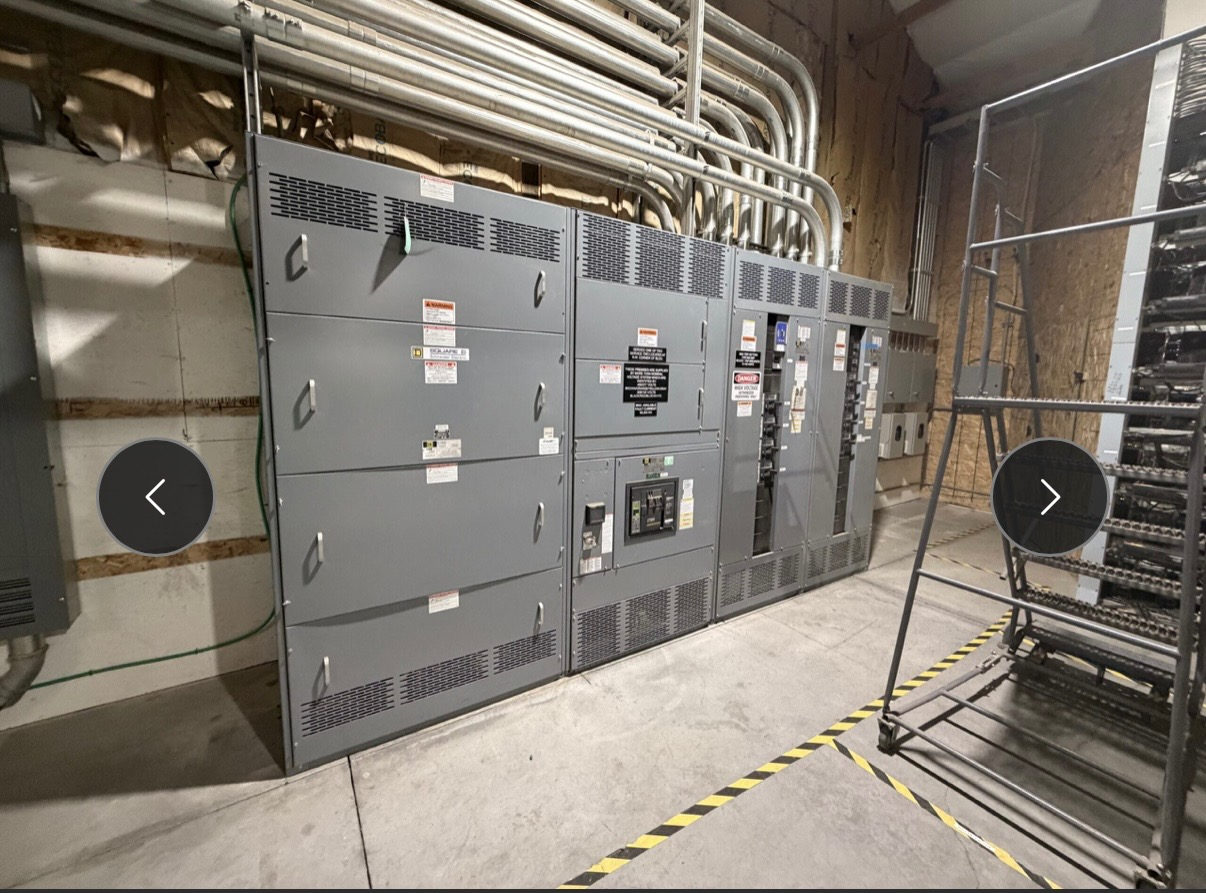
Start with the decision the review must support
A build feasibility review helps a project team determine whether its proposed new switchgear can be defined clearly enough for engineering and manufacturing. It is not a substitute for design approval or a promise that every requested feature is feasible. The review examines the application, available project information, interfaces, and unresolved decisions that could affect the equipment scope, schedule, or approval path.
This is useful before procurement documents are finalized, when replacing or adding equipment, or when a custom assembly must fit an established electrical system. The customer’s electrical engineer, facility representatives, and other responsible parties should agree on the review’s boundaries. Qualified professionals must verify the design and applicable requirements for the specific project.
Gather inputs that define the application
Provide the available one-line diagram, equipment schedules, load information, system grounding details, and the intended function of each section. Identify the source and downstream equipment, operating conditions, and any required modes of operation. Where information is preliminary or unknown, mark it as an assumption rather than allowing it to appear as a confirmed design requirement.
Site and project documents also shape feasibility. Relevant inputs can include available room dimensions, access and handling constraints, environmental conditions, cable entry preferences, and planned construction sequencing. These details do not establish an enclosure or rating by themselves; the design team must assess them alongside the electrical requirements and applicable project criteria.
Test electrical assumptions against system data
The review should distinguish confirmed electrical data from values carried forward from earlier drawings or equipment. Discuss system voltage, continuous load needs, fault-current information, protective-device requirements, and coordination expectations with the responsible electrical engineer. Each value must be verified for the installation. No amperage, interrupting or short-circuit rating, or voltage should be treated as a default capability.
Clarify what the assembly is expected to do: distribute power, provide switching or isolation, support metering, or accommodate specified protective functions. These choices affect device selection, arrangement, and the documentation needed for evaluation. Applicable standards depend on the equipment type and design. UL 891 may be relevant to suitable switchboard assemblies, but it does not automatically apply to every switchgear product.
Map interfaces before fixing the layout
Custom switchgear building depends on more than the equipment outline. Review incoming and outgoing conductor routes, termination requirements, control wiring, metering connections, communications, and any interfaces to other electrical equipment. Identify who supplies each connected device, cable, or signal and who confirms its requirements. Clear ownership helps prevent gaps between the switchgear scope and the surrounding system.
Compare the proposed arrangement with installation and maintenance constraints. Confirm the intended location, working and access requirements, cable approach, and any limits on transport or movement into the building. Dimensions and clearances require project verification; preliminary space assumptions are not construction approval. Resolve conflicts with architectural, structural, mechanical, and electrical documents through the project’s established coordination process.
Separate design choices from approval requirements
The review should record choices that affect the design, such as section arrangement, device functions, metering provisions, control power needs, and labeling or documentation expectations. It should also identify options that remain open and who has authority to decide them. A decision log with an owner and due date gives the engineering team a practical path from concept to an approved equipment specification.
List the approvals and reviews that may apply, including the customer’s technical review, engineer-of-record approval, and review by authorities having jurisdiction where required. Confirm which standards, codes, and project specifications govern the particular assembly instead of assuming a listing or approval. The manufacturer can build to a reviewed specification, but project professionals and relevant authorities determine acceptance for the installation.
Plan verification and testing around the design
Discuss how the completed assembly will be checked against its approved documents. Depending on equipment design and project requirements, the plan may address inspection, wiring verification, operational checks, and review of required records. Define test scope and acceptance criteria before manufacturing decisions are locked; do not assume that a particular test, certification, or listing is included without confirming it for the proposed assembly.
Coordinate test expectations with the engineer, owner, and any parties responsible for connected systems. Identify control interfaces that require simulation or confirmation, and decide how exceptions or design changes will be documented. Testing of the assembly does not replace site commissioning or verification of the complete electrical system. Any energized work or field testing must be planned and performed by qualified parties under applicable safety requirements.
Use the review to clarify procurement and schedule
A useful feasibility outcome is a procurement package that separates firm requirements from open items. It should identify the drawing and specification revisions used, required submittals, customer-furnished information, approval responsibilities, and the conditions that must be met before release to manufacturing. Changes to loads, interfaces, or approvals after release can require engineering reassessment and may affect the project schedule.
Lead time depends on the defined scope, design decisions, component requirements, and approval sequence; it should be confirmed for the specific project rather than inferred from a general estimate. For a US-built assembly using all-American components, confirm that the specified design and procurement requirements are compatible with the project. Nationwide shipment can be coordinated once equipment, destination, and timing are defined.
Close the review with a practical action list
Before requesting a firm proposal or authorizing the next design stage, assemble the current one-line diagram, equipment schedule, site constraints, applicable specifications, and known interface documents. Mark missing or conflicting information plainly. Ask the project team to identify the responsible person for each unresolved item, especially system data, protective-device coordination, connection details, and required approvals.
The review should conclude with a written disposition: assumptions accepted for continued development, information still needed, decisions assigned, and items requiring professional or authority review. Use that record to update the specification and establish a revision-controlled basis for custom switchgear building. If critical inputs remain uncertain, resolve them before treating the proposed new switchgear scope, compliance path, or schedule as final.
Project specification checklist
Use this checklist to organize the details for a project-specific review. Final ratings, applicable standards and equipment selections depend on the approved design.
| Item | What to confirm |
|---|---|
| System and load data | Confirm project-specific voltage, load, grounding, and fault-current information with the responsible electrical professional. |
| Equipment function and scope | Define intended functions, included sections and devices, and any customer-furnished or excluded items. |
| Physical and conductor interfaces | Verify room constraints, access, cable routes, termination needs, and connections to adjacent equipment. |
| Standards and approvals | Identify governing project requirements, applicable standards for the design, and responsible review authorities. |
| Verification and documentation | Agree on submittals, inspection or test expectations, acceptance criteria, and required records. |
| Open decisions and schedule | Track unresolved inputs, decision owners, approval sequence, and project-specific lead-time confirmation. |