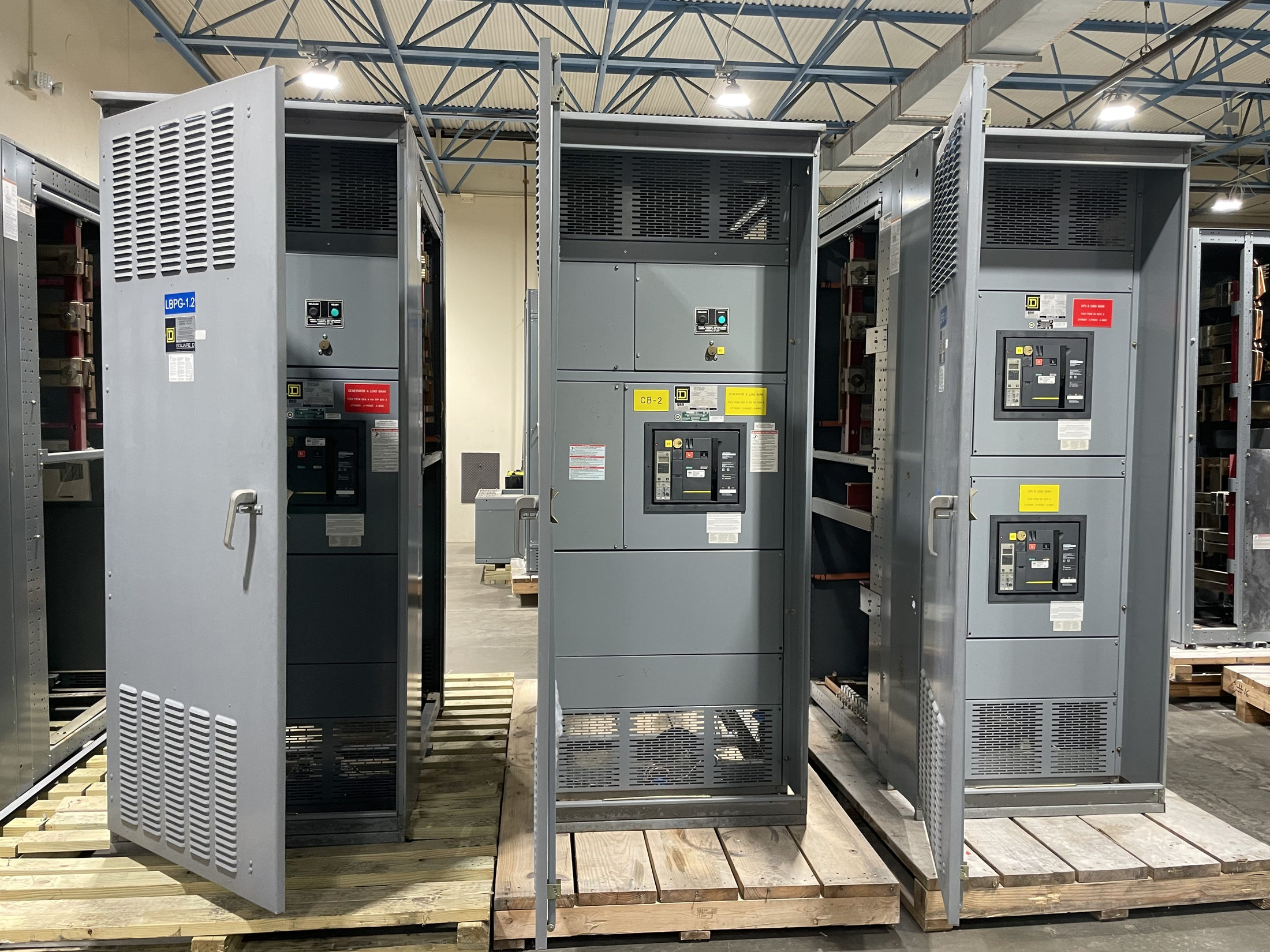
Choose the installation location first
Indoor and outdoor build choices start with the equipment’s actual location, not a preference for one enclosure style. For a facility in Austin or elsewhere in Central Texas, an indoor installation may be planned within an electrical room, while an outdoor installation may sit in a designated exterior area. Each setting creates different constraints for access, environmental exposure, clearances, and connections. The right approach depends on the project layout and operating requirements; neither location automatically makes a design suitable. Early comparison helps define a custom switchgear building scope that fits the site and supports safe, maintainable equipment.
Document environmental conditions
For each candidate location, document conditions that could affect enclosure selection: exposure to rain, dust, sunlight, temperature variation, moisture, corrosive agents, or other site-specific hazards. Indoor rooms also need review; ventilation, heat sources, water risk, cleanliness, and room use may influence design. Do not infer an enclosure type or environmental rating from the words “indoor” or “outdoor.” The project team should identify the actual exposure and confirm the required enclosure construction and applicable standards for the equipment. Qualified electrical professionals should review the requirements alongside relevant authorities before design decisions are finalized.
Compare access, clearances, and future work
The installation route can rule out an otherwise attractive location. Record door and corridor dimensions, turns, floor transitions, overhead obstructions, lifting or handling constraints, and the path from receiving area to final position. At the equipment location, confirm working clearances, door swing, access to operating points, and space for inspection or maintenance under project requirements. Outdoor layouts also need a practical approach for authorized personnel and equipment access without obstructing adjacent uses. These inputs help establish assembly dimensions and any shipping or placement constraints; they are not substitutes for design review or site-specific safety planning.
Map electrical and building interfaces
An enclosure choice must work with the complete installation. Identify incoming and outgoing conductors, conduit or bus connections, cable entry direction, grounding and bonding provisions, and any control or communications interfaces. Record the locations and requirements of connected transformers, generators, utility or facility sources, and downstream loads as applicable, without assuming an approval or interface standard. For indoor builds, coordinate room openings, supports, ventilation, and building access. For outdoor builds, coordinate the foundation or support interface, cable routes, drainage considerations, and nearby structures. Confirm dimensions and responsibilities with the relevant design and construction teams.
Select construction from project requirements
The project specification should translate location conditions into verifiable design decisions: enclosure construction, material and finish needs, access arrangements, component layout, cable entry, and any environmental protection required. Electrical characteristics—including system voltage, continuous current, fault duty, and configuration—must be established for the specific application rather than inferred from location. Applicable standards depend on equipment design and project; UL 891 applies to suitable switchboard assemblies, not automatically to every switchgear product. Custom assemblies can be built to specification, with the design reviewed by qualified professionals. Confirm each required rating, construction detail, and listing, if applicable, for the proposed assembly.
Coordinate manufacturing and verification
Before a new switchgear order is released, align the approved drawings and specification with site interfaces, enclosure requirements, connection details, and access constraints. Identify who will provide and verify dimensions, foundation or room information, conductor entry points, and any required control interfaces. Establish which inspections and tests are required by the project and applicable standards, and confirm their scope with the manufacturer and design team; do not assume a particular test or certification is included. Build timing depends on the project’s design, components, and review cycle. Resolving open items early can reduce avoidable revisions without promising a fixed lead time.
Turn the comparison into a procurement checklist
For a practical next step, prepare one site packet for each location under consideration: environmental conditions, a dimensioned layout, equipment access route, electrical one-line information, connection and grounding details, and the project’s required ratings and standards. Mark what is confirmed, what remains to be measured, and who owns each decision. Ask for a design review that compares indoor and outdoor requirements against these documented inputs, then resolve interfaces before approving drawings. A US manufacturer using all-American components can provide custom assemblies to specification and ship nationwide. Final suitability, applicable listings, and delivery timing remain subject to project review.
Project specification checklist
Use this checklist to organize the details for a project-specific review. Final ratings, applicable standards and equipment selections depend on the approved design.
| Item | What to confirm |
|---|---|
| Site environment | Confirm actual indoor or outdoor exposure, temperature range, moisture, contaminants, and required enclosure protection. |
| Space and access | Provide room or site dimensions, clearances, equipment access route, handling constraints, and maintenance access needs. |
| Electrical requirements | Document system configuration, voltage, current, fault duty, and other project-specific ratings for qualified review. |
| Interfaces | Confirm conductor entry, grounding, supports, foundations or room provisions, and control or communications connections. |
| Standards and verification | Identify applicable standards, required inspections and tests, and any listing requirements for the specific assembly. |