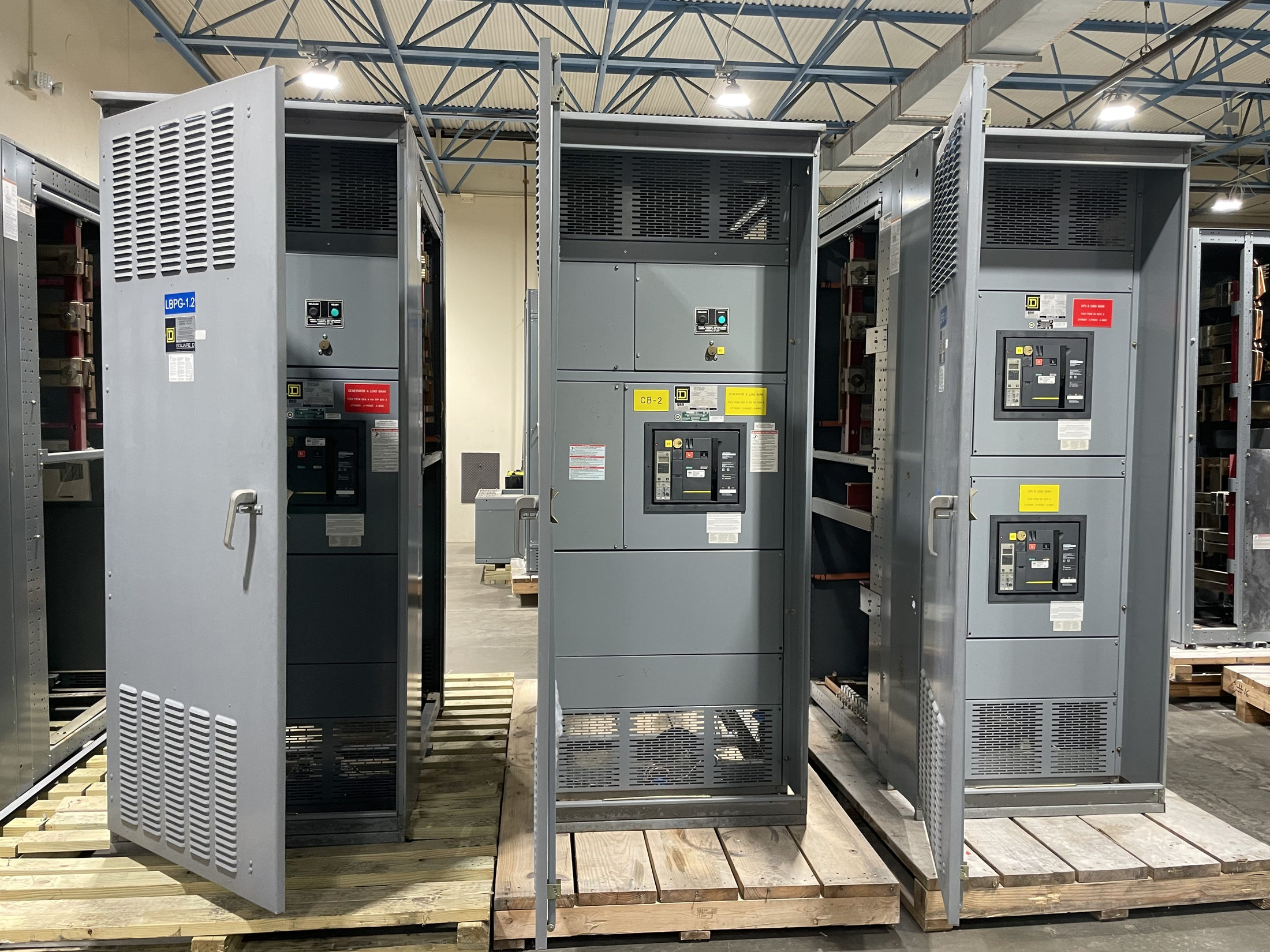
Start with the Installation Environment
Enclosure material selection for new switchgear begins with the conditions the equipment will actually face. Indoor electrical rooms, outdoor installations, washdown areas, coastal locations, and industrial spaces can present different combinations of moisture, airborne contaminants, temperature variation, and physical exposure. The project team should document the installation location and expected operating conditions rather than selecting material from a general label such as “indoor” or “weather resistant.” Those conditions affect corrosion risk, fabrication details, finish choices, and the enclosure design as a whole.
Identify whether the equipment is indoors or outdoors, protected or exposed, and near process chemicals, road salts, salt air, or cleaning agents. Note expected condensation, ventilation, and the possibility of water exposure. These inputs help the manufacturer evaluate suitable material and finish options for the specified design. They do not establish a universal material choice: actual suitability depends on the equipment, environment, applicable requirements, and review by qualified project professionals.
Match Material to Equipment Design
Switchgear metal fabrication has to support the function and geometry of the assembly, not just its appearance. Enclosure panels, doors, structural members, barriers, and mounting features each have design demands. Material selection should account for the assembly’s layout, access requirements, component mounting, and the way sections connect. A material or thickness that works for one panel may not be appropriate for a load-bearing feature or a different enclosure configuration.
Share the equipment type, intended use, drawings or preliminary layout, component arrangement, and any project specifications available during design. Include constraints such as available floor space, cable entry locations, required access, and handling or lifting provisions where applicable. The manufacturer can then assess material and fabrication choices against the proposed assembly. Structural adequacy, clearances, and enclosure performance require project-specific engineering review; no single material designation establishes that an assembly is suitable for every application.
Evaluate Corrosion and Finish Together
Base metal and protective finish should be considered as a coordinated system. A finish can influence resistance to corrosion and surface wear, while cut edges, drilled openings, welds, and fastener interfaces may need attention in the fabrication plan. The environment, cleaning practices, and expected contact with other materials can affect which options merit review. Specifying only a color or a broad description of corrosion resistance may leave important performance expectations unclear.
Project documents should identify known chemical exposure, cleaning methods, abrasion concerns, and any finish or appearance requirements. Where dissimilar metals meet, confirm that the interface is appropriate for the environment and design. Ask how the proposed fabrication and finish approach addresses seams, edges, hardware, and field modifications. These questions support a clear review but do not substitute for confirming the selected material and finish against applicable project requirements and the actual exposure conditions.
Coordinate Interfaces Before Fabrication
Material decisions affect interfaces throughout a switchgear assembly. Door and hinge arrangements, latches, gaskets, grounding and bonding points, mounting hardware, cable entry features, and adjoining sections all need to work with the enclosure design. For outdoor or otherwise demanding environments, details around openings and joints can matter as much as the broad choice of metal. The project team should identify interfaces early so the fabrication design can account for them rather than relying on assumptions during installation.
Provide the latest one-line diagrams, equipment schedules, site layout information, interface drawings, and owner requirements that apply to the enclosure. Clarify responsibility for openings, conduit or bus connections, adjacent equipment, and any field-installed accessories. Confirm dimensions and connection locations with the parties responsible for those interfaces. Changes after fabrication begins can affect fit and finish, so unresolved coordination items should be recorded and dispositioned through the project’s normal design-review process.
Verify Requirements and Testing Scope
Material selection does not by itself establish an enclosure rating, environmental suitability, or compliance with a particular standard. Applicable requirements depend on the equipment design, intended installation, and project specifications. For example, UL 891 applies to suitable switchboard assemblies; it should not be assumed to apply to every switchgear product or enclosure. The project team should identify required standards, listings, ratings, and acceptance criteria, then confirm their applicability to the specific proposed assembly.
During design review, compare the material and finish schedule with the specification, drawings, and required equipment documentation. Confirm whether any inspection, verification, or testing is specified and what it is intended to demonstrate. Do not infer a test result or certification from a material description alone. Qualified electrical professionals and relevant authorities should review the design and applicable requirements. Record approved deviations and open questions so procurement and fabrication use a consistent, verified basis.
Make Procurement Decisions with Clear Inputs
A useful procurement package states the environment, enclosure material and finish requirements, equipment configuration, dimensions, interfaces, and governing project documents. It should distinguish mandatory requirements from preferences and identify who approves substitutions. This clarity helps compare proposals on equivalent terms and reduces the risk of choosing an option based only on a generic material name. If the specification leaves environmental exposure or finish performance undefined, resolve that gap before finalizing the design.
For new switchgear, request confirmation of the proposed material and finish against the submitted project inputs, along with a list of assumptions or exclusions requiring review. Discuss how a material choice may affect fabrication details, interfaces, documentation, and project schedule; lead times depend on project scope and design. U.S.-built equipment using all-American components and custom assemblies to specification may be considered where they fit the project requirements, but each proposed configuration still needs verification.
Prepare a Practical Material Review
Before approving enclosure material selection, assemble a concise review package: installation environment, exposure concerns, equipment type and layout, drawings, interface responsibilities, finish expectations, and applicable project requirements. Ask the design team to identify the selected material and finish, explain how they address the stated conditions, and flag details that remain unresolved. This makes the decision traceable and gives procurement, fabrication, and installation stakeholders a common reference.
A practical next step is to mark up the enclosure schedule and drawings with any uncertain items, such as cleaning-agent exposure, field-cut openings, contact between unlike metals, or required testing documentation. Send those questions for resolution before the design is released for fabrication. Confirm that revised drawings reflect agreed changes and that the final submittal matches the approved requirements. This process helps the project team select an enclosure approach suited to the stated environment without treating any material as universally suitable.
Project specification checklist
Use this checklist to organize the details for a project-specific review. Final ratings, applicable standards and equipment selections depend on the approved design.
| Item | What to confirm |
|---|---|
| Installation exposure | Confirm indoor or outdoor location, moisture, contaminants, temperature conditions, cleaning agents, and physical exposure. |
| Equipment configuration | Provide equipment type, layout, mounting needs, access requirements, and current drawings for design review. |
| Material and finish | Document required material, finish, corrosion concerns, appearance expectations, and any substitution approval process. |
| Interfaces | Coordinate doors, hardware, grounding and bonding, cable entries, adjoining sections, and field-installed features. |
| Compliance and verification | Identify applicable standards, listings, ratings, inspection, testing, and documentation requirements for the specific assembly. |