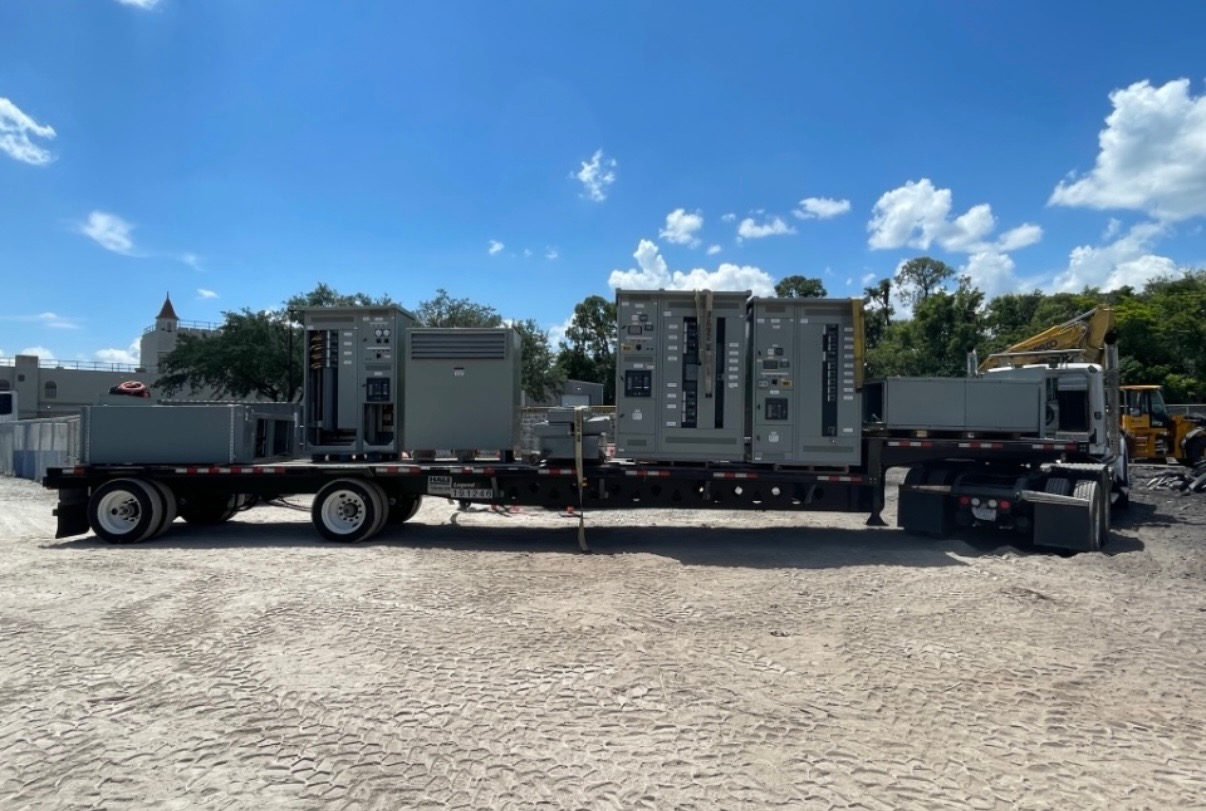
Why Finish Requirements Belong in the Specification
A protective finish for new switchgear is not merely a color choice. Surface preparation and coatings affect how fabricated metal resists corrosion, how consistently the finished assembly presents, and whether the finish suits the equipment’s installation environment. A coating cannot compensate for unsuitable base materials, poor detailing, or exposure beyond its intended conditions. For that reason, finish requirements should be established while the switchgear design and fabrication approach are being developed, rather than left as an informal preference after drawings are approved.
The project specification should identify which equipment surfaces require a finish, the intended appearance, and the environmental conditions the equipment will encounter. It should also state any owner or facility requirements for color, sheen, identification, or touch-up materials. These inputs help the manufacturer evaluate the requested preparation and finish against the assembly design. Suitability remains project-specific; confirm the proposed system and applicable requirements with qualified electrical and specification professionals.
Start with the Installation Environment
Describe the actual installation conditions rather than relying on a broad label such as indoor or outdoor. Relevant inputs may include expected moisture, condensation, airborne contaminants, cleaning chemicals, temperature variation, sunlight, and proximity to corrosive processes. Include the equipment location within the facility, whether it is exposed to washdown or routine cleaning, and any known handling or storage conditions before installation. These details guide finish selection, but they do not establish an enclosure rating or prove that a coating is suitable for every exposure.
For Central Texas projects, provide the site-specific conditions instead of assuming a regional default. An air-conditioned electrical room, an unconditioned building, and a location exposed to weather can present different coating considerations. If the equipment will be installed in a more demanding environment than the original design basis, raise that change before fabrication. The project team can then review whether the specified materials, preparation, and finish need adjustment, and whether other design measures must address the exposure.
Define Preparation and Coating Expectations
A useful specification distinguishes the preparation process from the coating system. State the required surface condition or preparation method where the project design calls for one, and identify the coating type or performance criteria only when they are supported by project requirements. Confirm which fabricated surfaces receive the finish and how edges, seams, fasteners, cutouts, and concealed areas are treated. These details help avoid assumptions about coverage and clarify how the finish is intended to perform on the actual assembly.
Also identify appearance criteria that matter at acceptance: color reference, gloss or texture, uniformity, and allowable visible variation. If a project requires a particular product, system, or test method, provide the governing documents and confirm their applicability with the manufacturer. Do not assume a coating specification automatically applies to every component or material in a switchgear assembly. Different substrates and functions may require distinct treatment, and any proposed substitution should be reviewed before approval.
Coordinate Finish with Assembly Design
Coating decisions intersect with mechanical design and electrical interfaces. Review grounding and bonding points, nameplates, labels, viewing areas, ventilation openings, access panels, hinges, and surfaces intended for electrical contact. The drawings and finish notes should make clear where coating is required and where it must be controlled or omitted to preserve the intended interface. Qualified design professionals should determine these details; finish instructions should not be used to alter an electrical connection or equipment function without engineering review.
Check how the finish interacts with field connections, adjacent equipment, cable-entry provisions, and any specified mounting or joining method. Identify surfaces that may be damaged during shipping, lifting, or installation, and agree on how the project will document and address damage. Color coding and identification should also be coordinated with the facility’s conventions. Resolving these interfaces during drawing review is more practical than trying to correct a coating conflict after the enclosure has been finished.
Review Verification and Acceptance
Set acceptance expectations before procurement. Depending on the project requirements, review may address coating documentation, visual condition, color consistency, coverage at identified details, and any specified inspection or test records. State who reviews submittals, what evidence is required, and how deviations or repairs are to be handled. Do not assume that a particular test, certification, or coating listing applies to the assembly; the applicable requirements depend on the design, materials, and governing project documents.
Coordinate inspection timing with fabrication milestones so that questions about preparation or finish can be resolved before release. If testing is required, specify the method, scope, acceptance criteria, and responsible party rather than naming a test without context. Confirm that inspection does not interfere with electrical assembly requirements or compromise the finished surfaces. Any repair process should be reviewed for compatibility with the specified coating and the relevant equipment interfaces.
Make Procurement Documents Specific
For a clear quotation and submittal review, provide the environmental description, equipment scope, finish schedule, color references, preparation expectations, and any project standards or owner documents. Identify whether requirements differ among lineups, compartments, doors, or ancillary fabricated parts. Include drawings that show the intended boundaries of coating and areas requiring special treatment. If the project allows alternatives, define what information is needed to evaluate an alternate rather than leaving equivalency open to interpretation.
A US manufacturer of new switchgear can review custom assembly requirements against the project documents, but lead time depends on the project and its design decisions. Request clarification early for unusual exposures, nonstandard appearance requirements, or conflicting notes. Before release, reconcile finish requirements across the specification, drawings, approved submittals, and purchase documentation. A consistent record helps procurement, fabrication, inspection, and receiving teams work from the same expectations.
Practical Steps Before Drawing Approval
Gather the facility’s environmental information, owner finish standards, color and identification conventions, and any cleaning or maintenance constraints. Ask the electrical design professional to identify grounding, bonding, contact, and interface areas that need special consideration. Then submit the proposed preparation and coating requirements with the switchgear drawings and request confirmation of scope, appearance, documentation, and acceptance criteria. Resolve open questions in writing before approving fabrication, especially where a finish choice depends on an exposure that has not yet been verified.
For projects in Austin or elsewhere in Central Texas, coordinate delivery and receiving expectations with the project schedule without assuming a local factory or site service. Protect finished equipment during transport and storage according to the agreed handling instructions, and inspect it on receipt for visible damage or discrepancies. Record concerns promptly and consult the manufacturer before applying field repairs or additional coatings. This sequence gives the project team a practical basis for specifying, reviewing, and receiving new switchgear with its intended protective finish.
Project specification checklist
Use this checklist to organize the details for a project-specific review. Final ratings, applicable standards and equipment selections depend on the approved design.
| Item | What to confirm |
|---|---|
| Exposure description | Confirm moisture, condensation, contaminants, cleaning agents, sunlight, temperature variation, and storage conditions. |
| Preparation and finish scope | Identify substrates, surfaces, preparation expectations, coating requirements, and treatment of edges and concealed areas. |
| Appearance | Provide approved color references, sheen or texture expectations, and acceptable visual variation. |
| Electrical and mechanical interfaces | Mark grounding, bonding, contact, label, access, ventilation, and joining surfaces that need coordinated treatment. |
| Verification and acceptance | Specify required submittals, inspection scope, test methods if applicable, acceptance criteria, and repair review. |
| Procurement alignment | Reconcile requirements across project specifications, drawings, submittals, purchase documents, and delivery planning. |