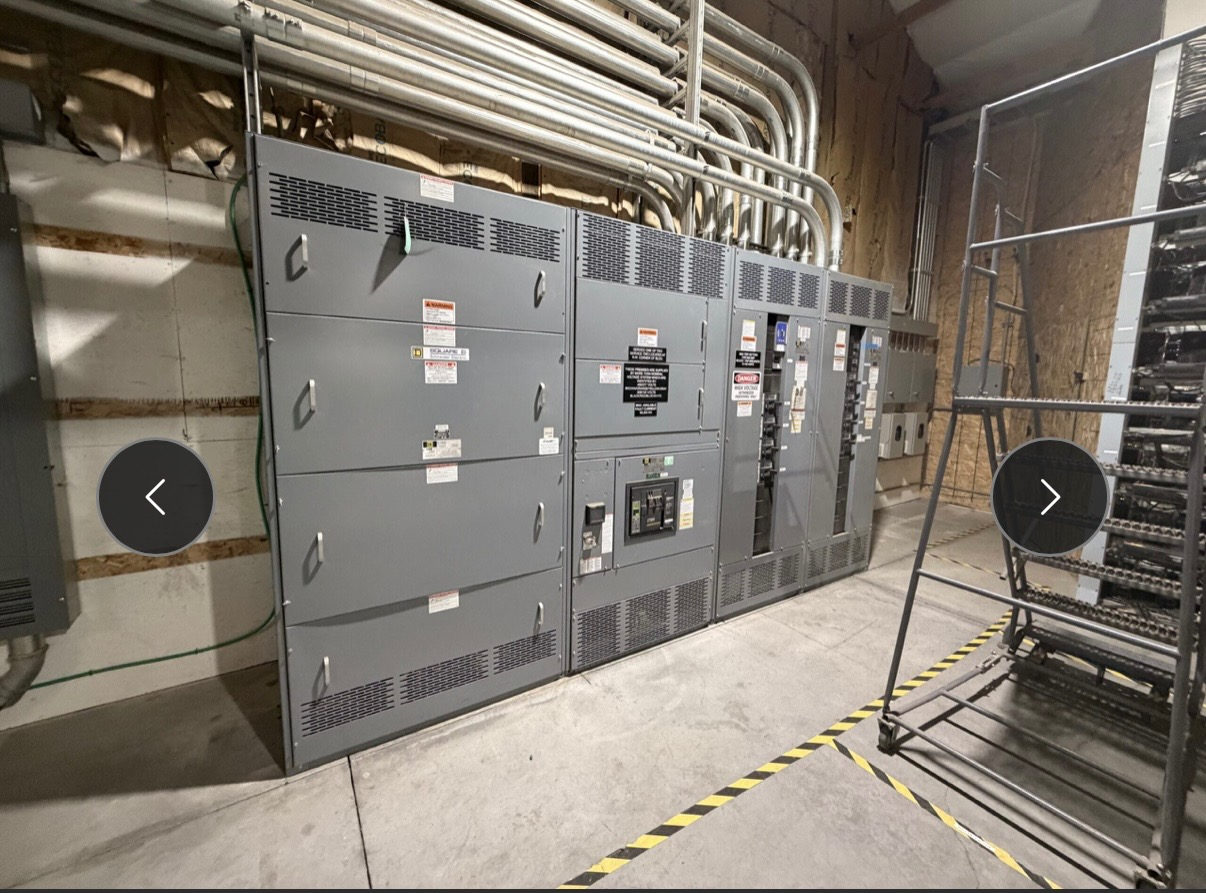
Plan verification before equipment release
Protective device test planning defines how project teams will confirm that the devices specified for new switchgear match the design intent and are ready for their assigned role. It is not a substitute for system studies, commissioning procedures, or qualified professional judgment. Early planning helps align the equipment schedule, protection documentation, manufacturing records, and site acceptance process before they become separate workstreams.
Start by identifying the switchgear application and the decisions the verification must support: device identity, configuration, wiring interfaces, programmed functions, and documented settings. The project team should distinguish factory checks from any field inspection or testing, and state who performs and records each activity. The required methods and acceptance criteria depend on the design, applicable standards, project specifications, and authority requirements; confirm them rather than assuming a universal test scope.
Gather system inputs that shape device selection
Selection begins with the one-line diagram, equipment schedule, protection and control narratives, and available system-study results. Relevant inputs may include system voltage, source and grounding arrangement, connected loads, fault-current information, operating modes, and the protective functions required at each point. Confirm that the data represent the intended installation and identify unresolved assumptions. A device’s functions, sensing inputs, control power, communications, and accessory needs must be checked against the actual application and specified assembly.
Document the interfaces as carefully as the device itself. Current- or voltage-sensing arrangements, trip circuits, interlocks, remote indications, control wiring, and upstream or downstream equipment can affect design and verification. Confirm terminal and wiring information, signal conventions, and any required external equipment with the responsible design professionals. Ratings, enclosure details, and standards applicability are project-specific; neither a device family nor a prior project establishes suitability for this switchgear without review.
Assign settings ownership and approval
Protection settings should come from the project’s authorized engineering process, informed by applicable coordination and other required studies. Identify who develops, checks, approves, enters, and independently verifies settings, and when each handoff occurs. The manufacturer needs approved project information for the defined manufacturing scope; equipment procurement alone does not determine protective values. If settings are not final at release, record that status, identify the remaining decisions, and agree how approved values and revisions will be transmitted and controlled.
A settings record should make the intended device, function, value, units, operating mode, and revision traceable. Include the source document and approval status, plus any project-specific notes needed to distinguish normal and alternate configurations. Resolve discrepancies among drawings, schedules, study files, and device instructions before relying on a setting. Changes after approval should follow a documented review path so that revised values are checked against system intent and are not silently carried into manufacturing or later verification.
Define instructions and test evidence
Use the device and assembly documentation applicable to the selected design to establish permitted configuration, setup, test methods, and safety precautions. The test plan should name the responsible qualified personnel, required tools or test equipment, prerequisites, recorded results, and criteria for acceptance or escalation. It should also clarify whether checks are visual, wiring-oriented, functional, or based on a specified injection or simulation method. Do not infer that every device supports every method, or that a factory check proves the completed installation’s performance.
For each planned check, connect the procedure to a specific device and expected response, while avoiding unsupported values or generic pass criteria. Specify how test equipment status is documented when the project requires it, how deviations are reported, and who authorizes retesting or corrective action. Instructions must be followed for the particular device and assembly. Any work involving electrical hazards belongs under the project’s approved safety controls and qualified personnel; planning must never be treated as authorization to work on energized equipment.
Coordinate factory and site responsibilities
A useful responsibility matrix separates design approval, manufacturer scope, independent inspection, field installation, and commissioning. Confirm which device-identification, configuration, wiring, and functional checks are included in manufacturing documentation, and which are reserved for the installing or commissioning team. Scope varies by project, so do not assume a factory test includes site wiring, system coordination validation, or acceptance testing. Establish who supplies test procedures, approved settings, required witness arrangements, and records before production and inspection dates are set.
Coordinate interfaces among the switchgear supplier, electrical designer, controls or protection specialists, installer, commissioning team, and relevant authorities as applicable. Agree on the document revision each party will use and how questions, deviations, and field changes are resolved. If an inspection or test depends on external signals, connected equipment, or site conditions, identify those dependencies and their owner. Clear boundaries prevent duplicated checks and, more importantly, gaps in responsibility for confirming the installed protection scheme.
Control procurement documents and revisions
Include device requirements and verification deliverables in the purchase specification rather than relying on a device name alone. Provide the one-line diagram, schedules, protection narrative, interface requirements, approved study outputs when available, and document submittal expectations. State which items remain pending and when they are needed. For new switchgear built to project specification, review proposed device details and wiring interfaces against the design before approval; confirm applicable standards and any requested listing for the actual assembly rather than presuming coverage.
A revision register can track drawings, settings files, device instructions, test forms, and approvals through release and closeout. Define who distributes revisions and how obsolete copies are removed from active use. Before accepting records, check that device identifiers and configuration match the equipment documents and that unresolved exceptions are visible. These controls help procurement, manufacturing, and later field teams work from consistent information, while preserving a clear record of decisions that affect protective-device verification.
Prepare a practical project review
Before equipment information is released, convene the responsible project participants to review the device schedule, system inputs, settings status, test boundaries, and documentation needs. Capture open items with an owner, required decision, and due point tied to the project schedule. Ask whether each device has an approved application, defined interfaces, an identified settings authority, and a verification method suitable for its instructions. Escalate missing system data or conflicting requirements to the qualified design professionals rather than filling gaps with assumed values.
For a final readiness check, compare approved settings and device identifiers with the latest drawings, confirm who will preserve results and resolve discrepancies, and identify any checks that require site conditions or other parties. Keep the accepted procedure, revision history, completed records, and exception disposition together in the project documentation. This concrete review makes protective device test planning actionable: it tells each participant what must be known, who is accountable, and what evidence will demonstrate completion without implying a particular rating or test capability.
Project specification checklist
Use this checklist to organize the details for a project-specific review. Final ratings, applicable standards and equipment selections depend on the approved design.
| Item | What to confirm |
|---|---|
| System design inputs | Confirm current one-line diagrams, equipment schedules, operating modes, and available fault and coordination study information. |
| Device and interface definition | Verify device identity, required functions, sensing and control interfaces, wiring information, and compatibility with the specified assembly. |
| Settings authority | Name the parties responsible for developing, reviewing, approving, entering, and independently checking settings and revisions. |
| Verification scope | Define factory and field checks separately, including methods, prerequisites, acceptance criteria, records, and responsible personnel. |
| Instructions and safety | Identify applicable device and assembly documentation, required precautions, and qualified personnel responsible for following approved procedures. |
| Document control | Confirm submittal requirements, revision distribution, deviation handling, and closeout records for settings and test results. |